Asfah Hamid
I am Asfah Hamid, an interior designer and environmental artist who works between soil, sound, memory, and care. My practice sits in the quiet middle ground where things are made, unmade, and sometimes held together by the faintest thread. I work with mycelium as a way of thinking through loosened structures. Decentralised forms, soft ruptures, and the slow work of repair guide me far more than any fixed category of art or design. Process for me is attention. It is field notes tucked into my pockets. It is soil under my nails after digging for a sound recording. It is cloth that frays in my hands until it begins to say something I did not expect. I am drawn to materials that resist certainty. They give me room to listen. Mycelial Polyphonies has shaped much of my current work. It has travelled with me from Chennai to Dubai to London and into the clay fields of Alentejo. It taught me that care is not clean. It is partial, ongoing, and sometimes carried as a scar. That idea moves through everything I make. I sit between design and research, between writing and image, between what holds and what slips away. My practice is a meshwork of notes, recordings, soil, cloth, and the small pauses where meaning gathers. I am interested in art that feels lived rather than declared. Work that grows quietly. Work that listens back.
Process
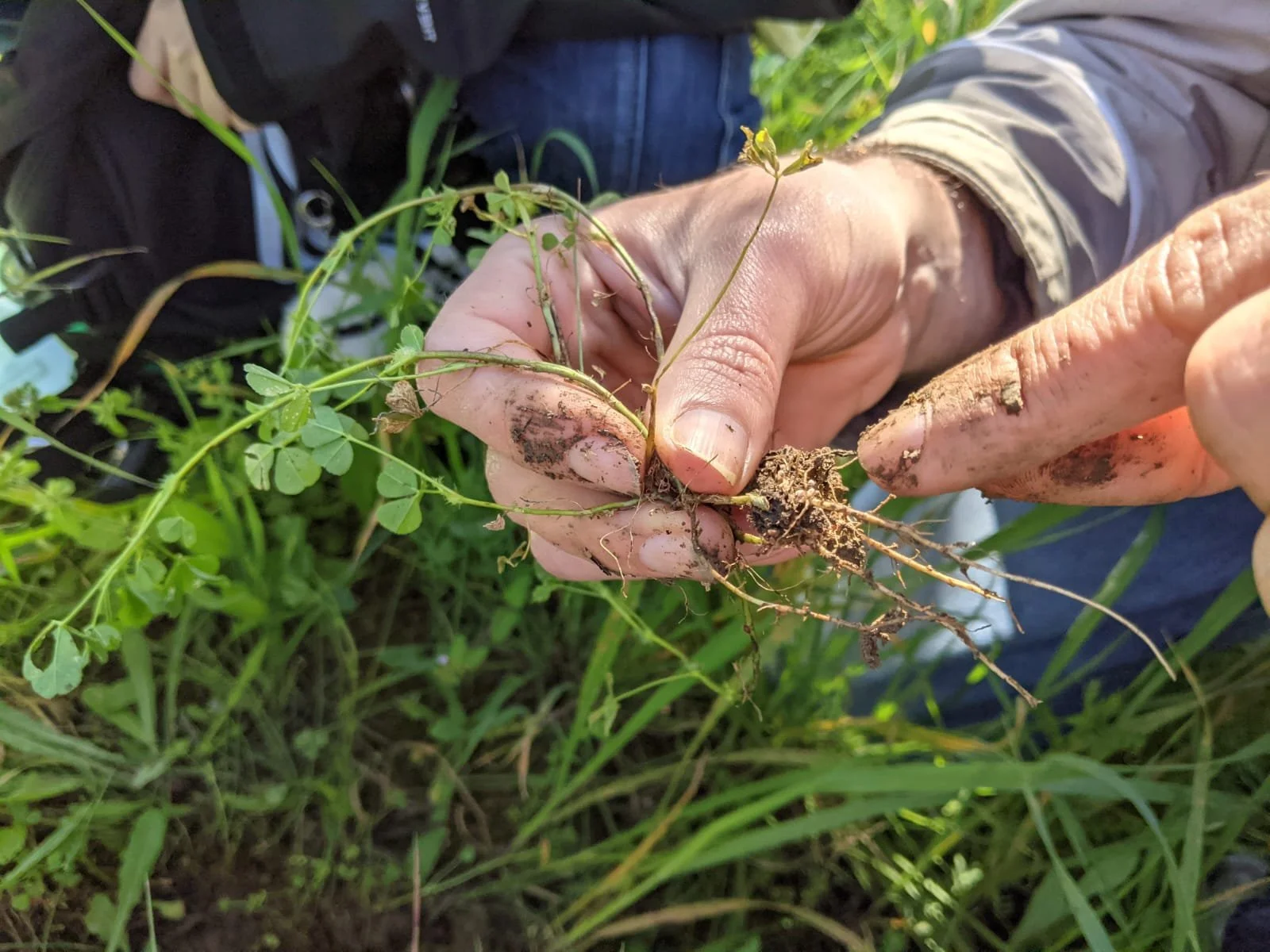
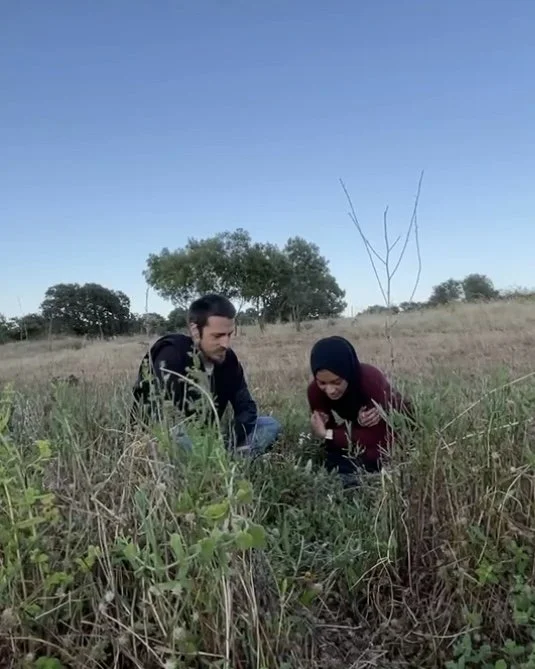
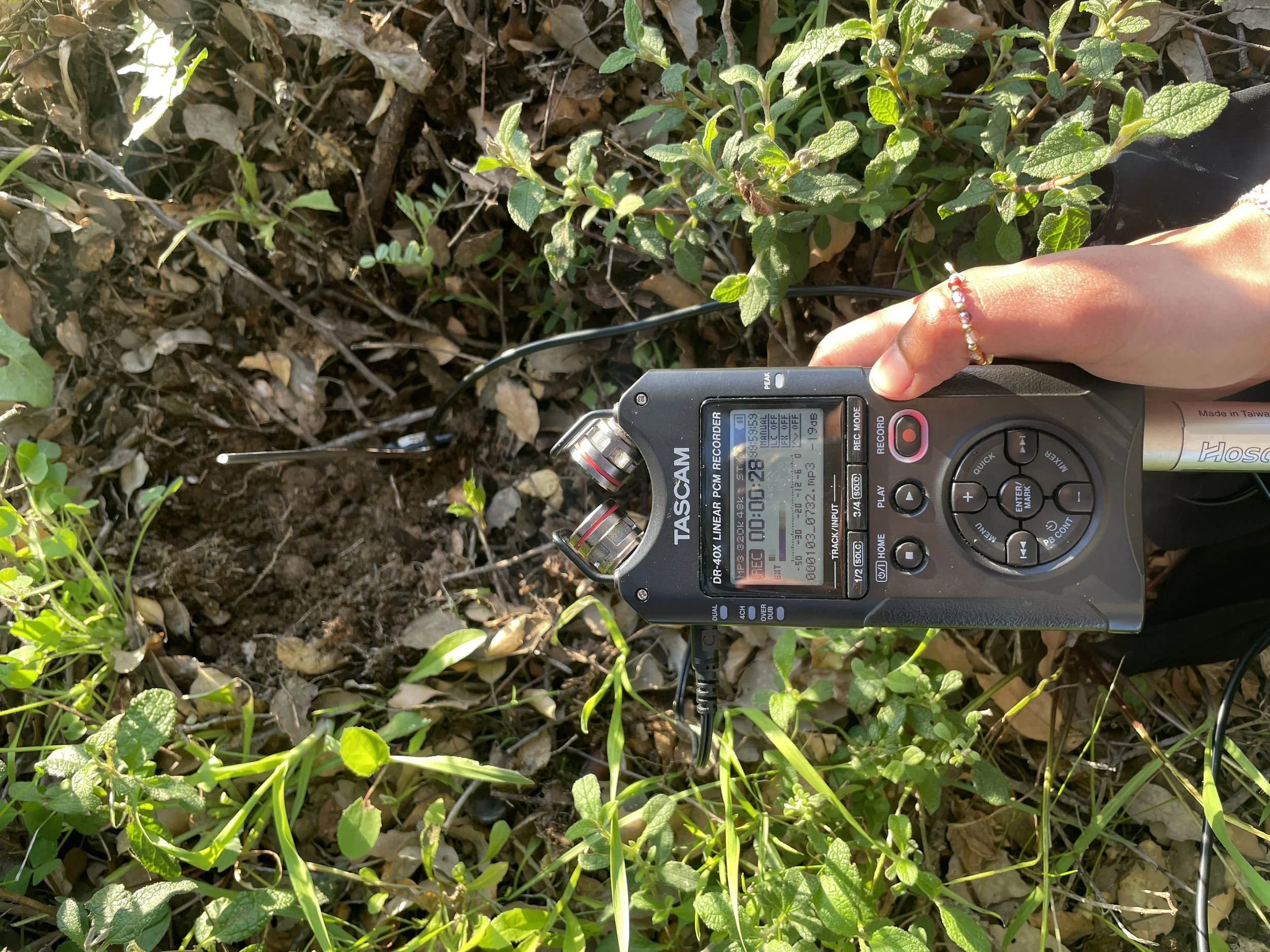
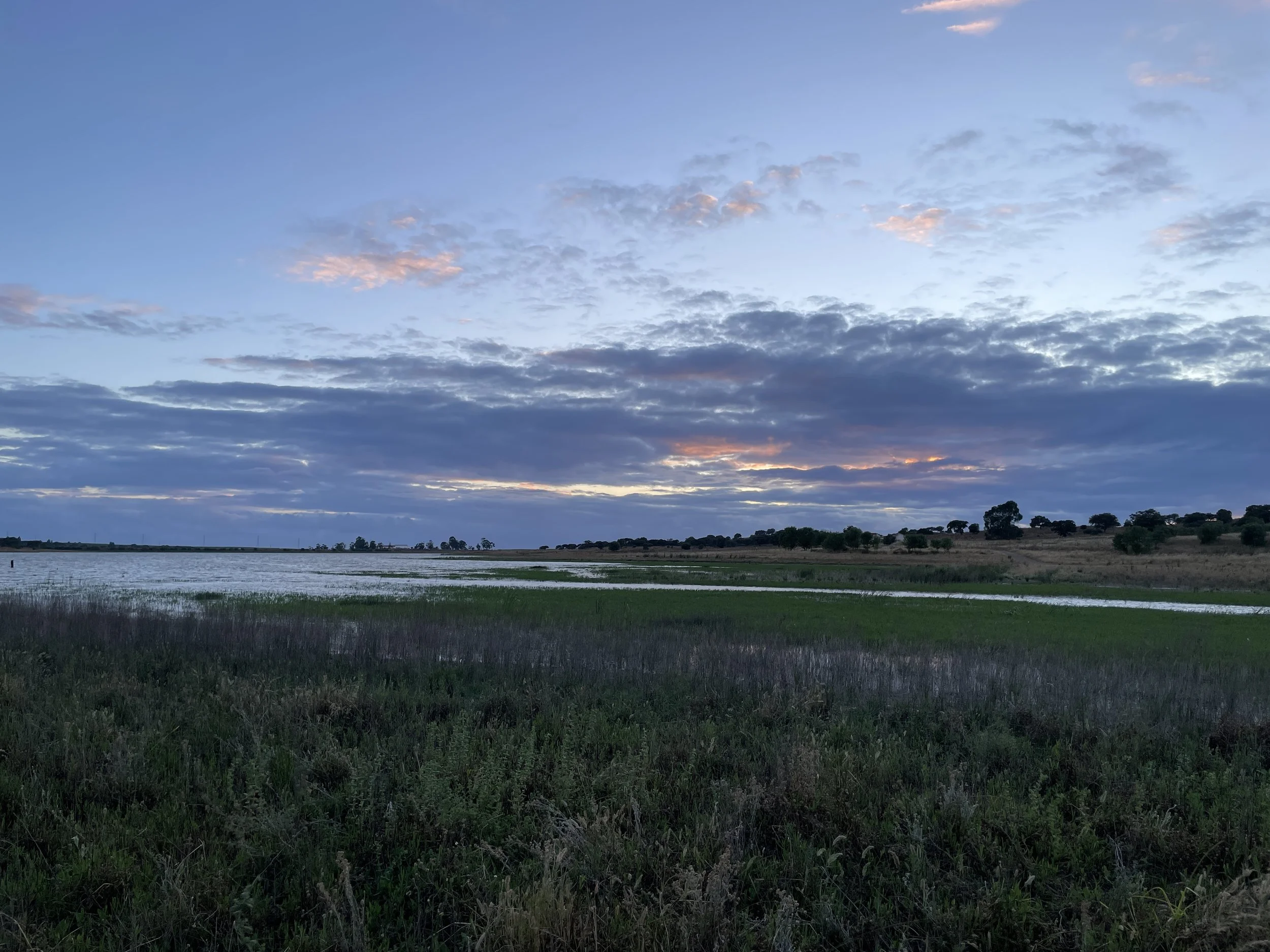
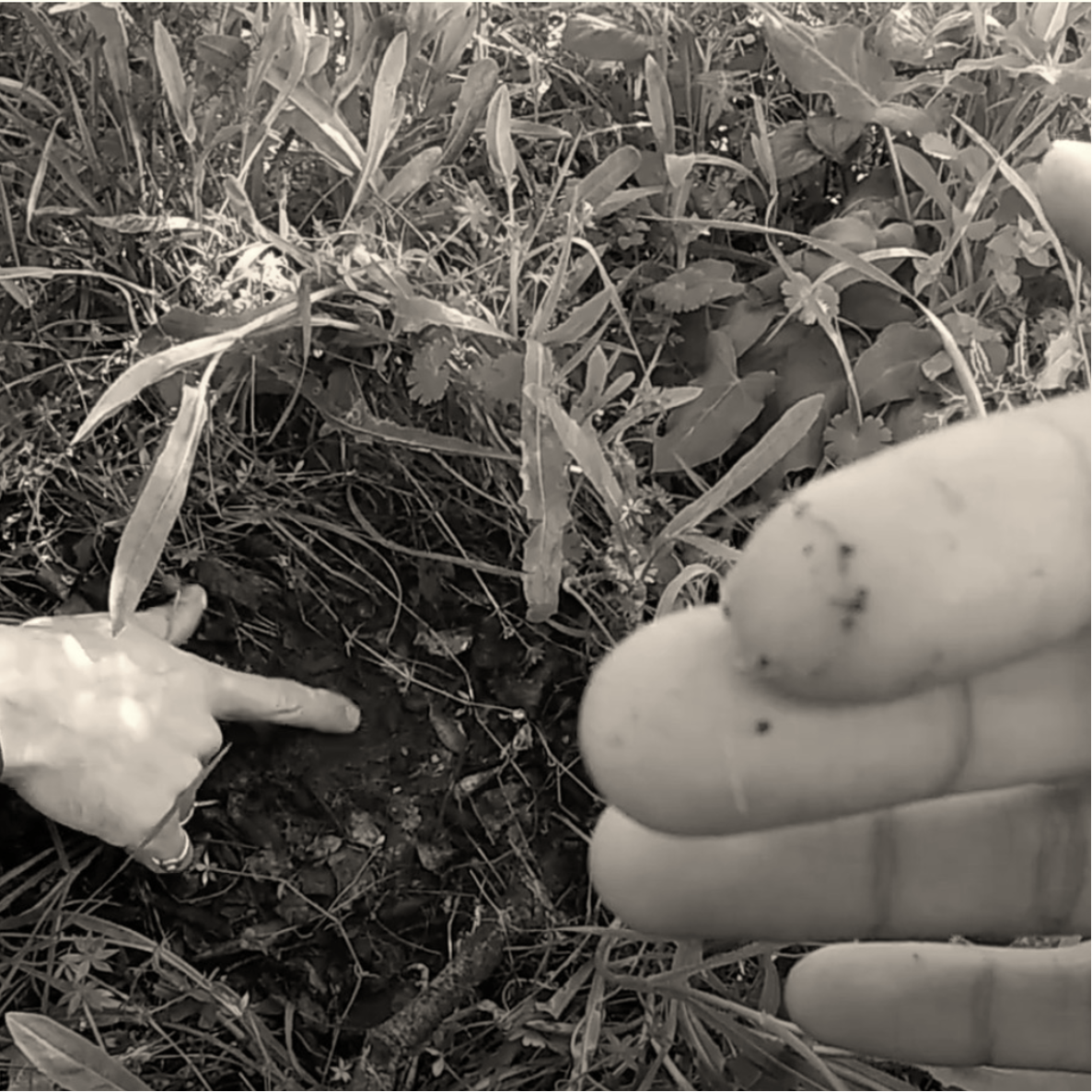
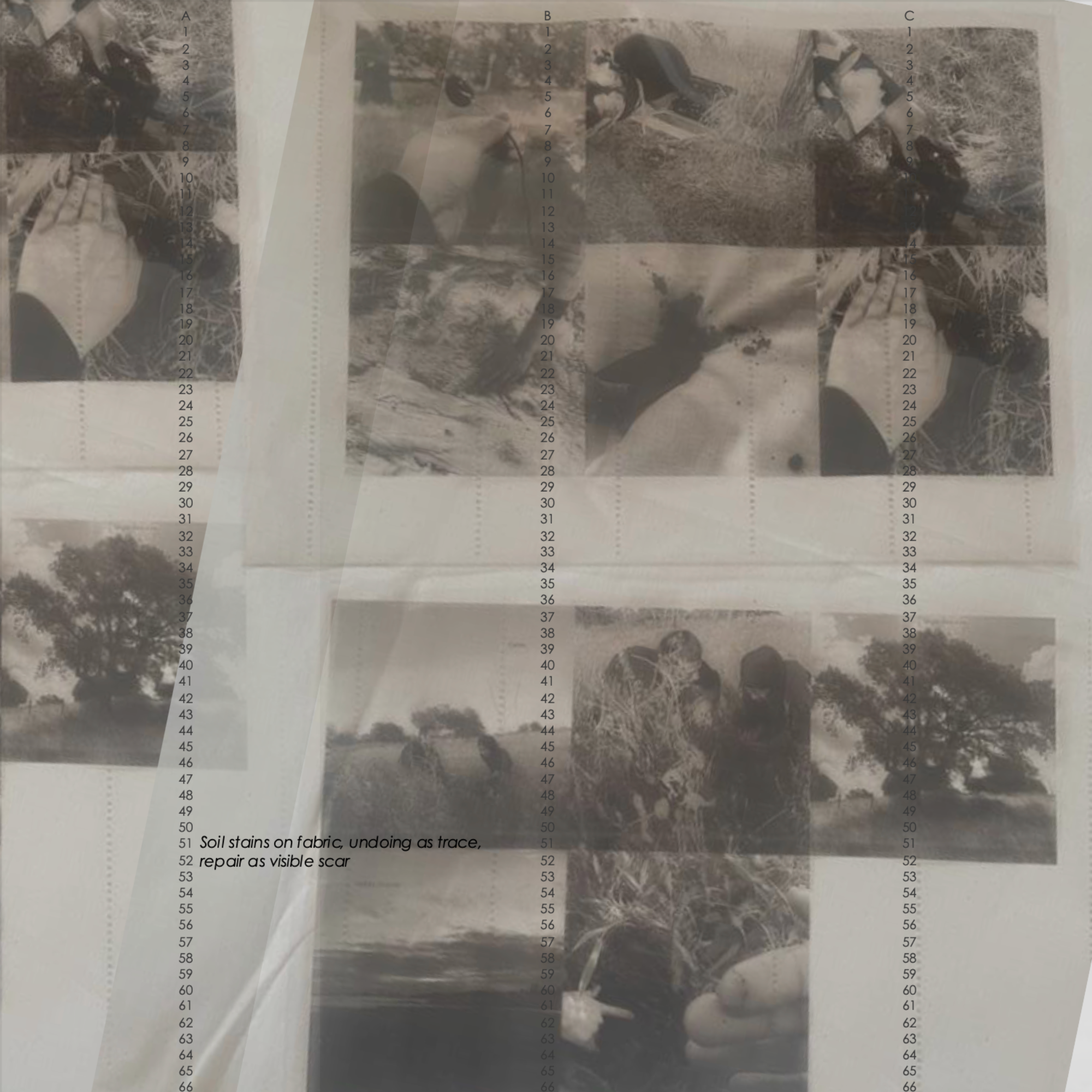
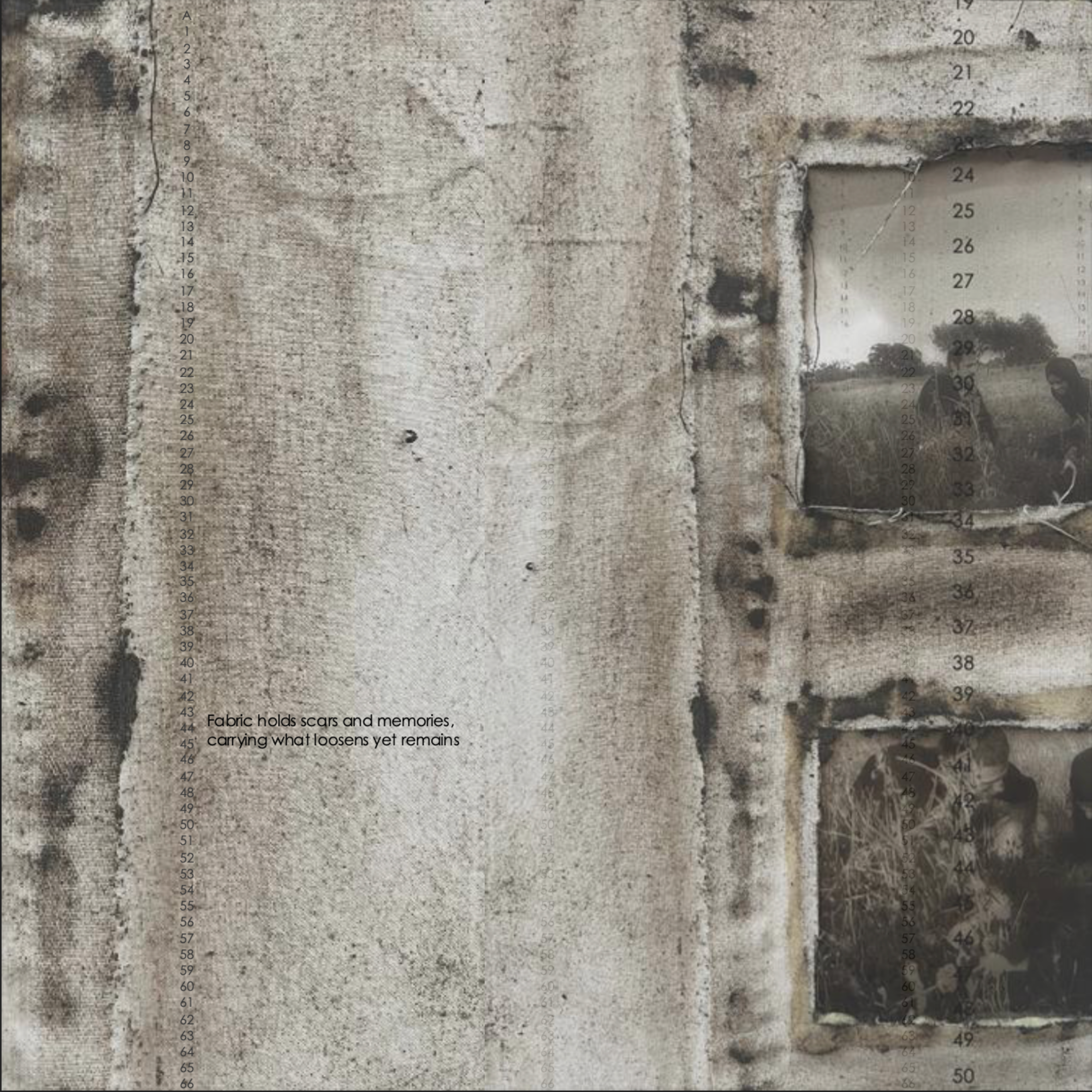
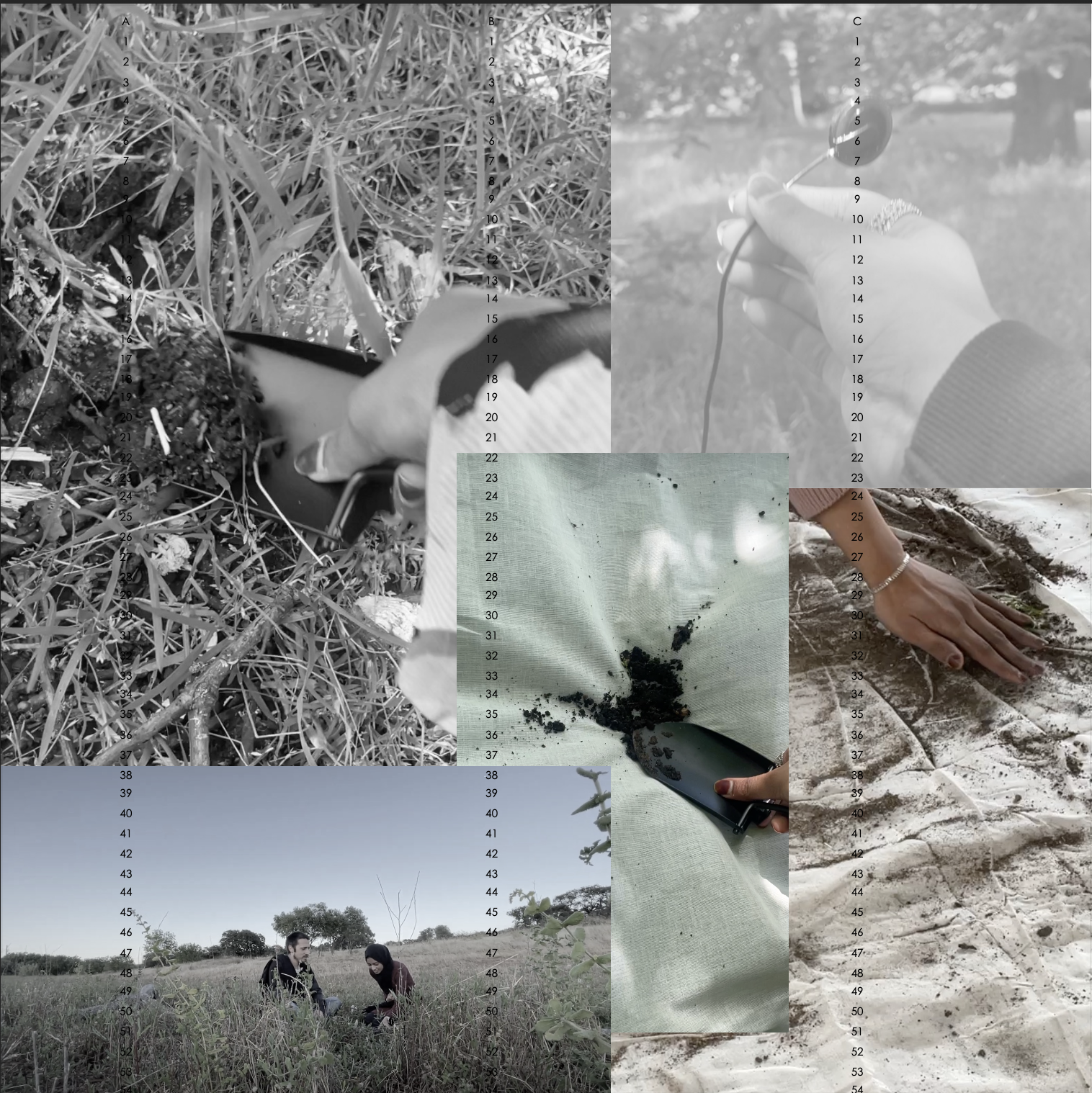
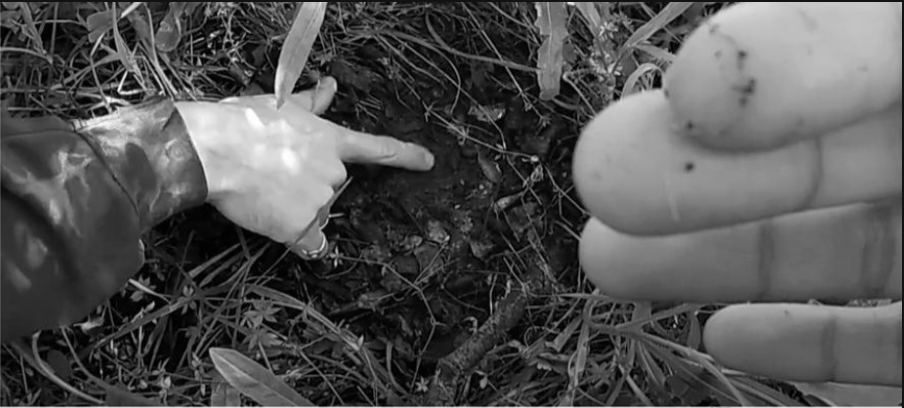
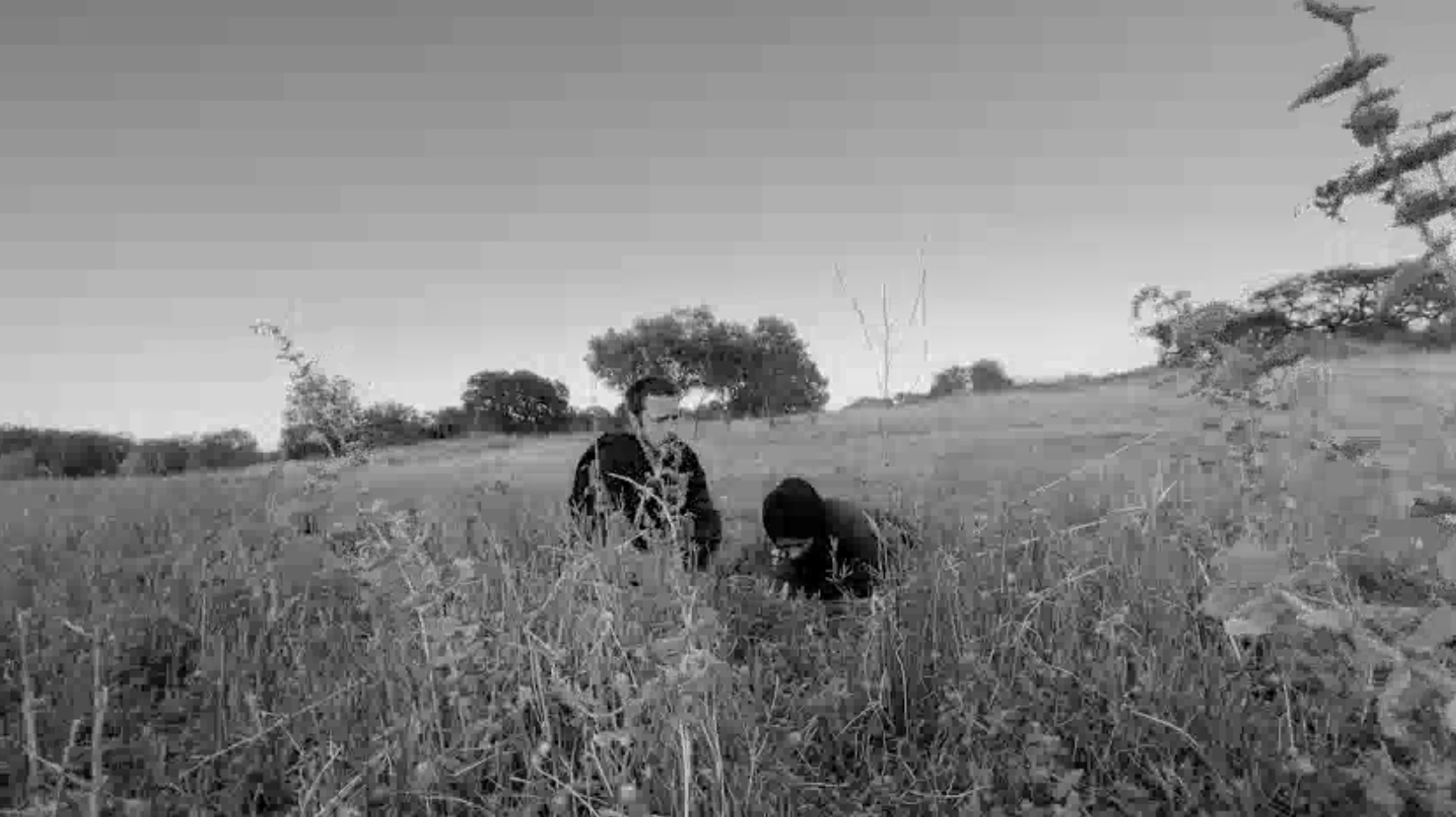
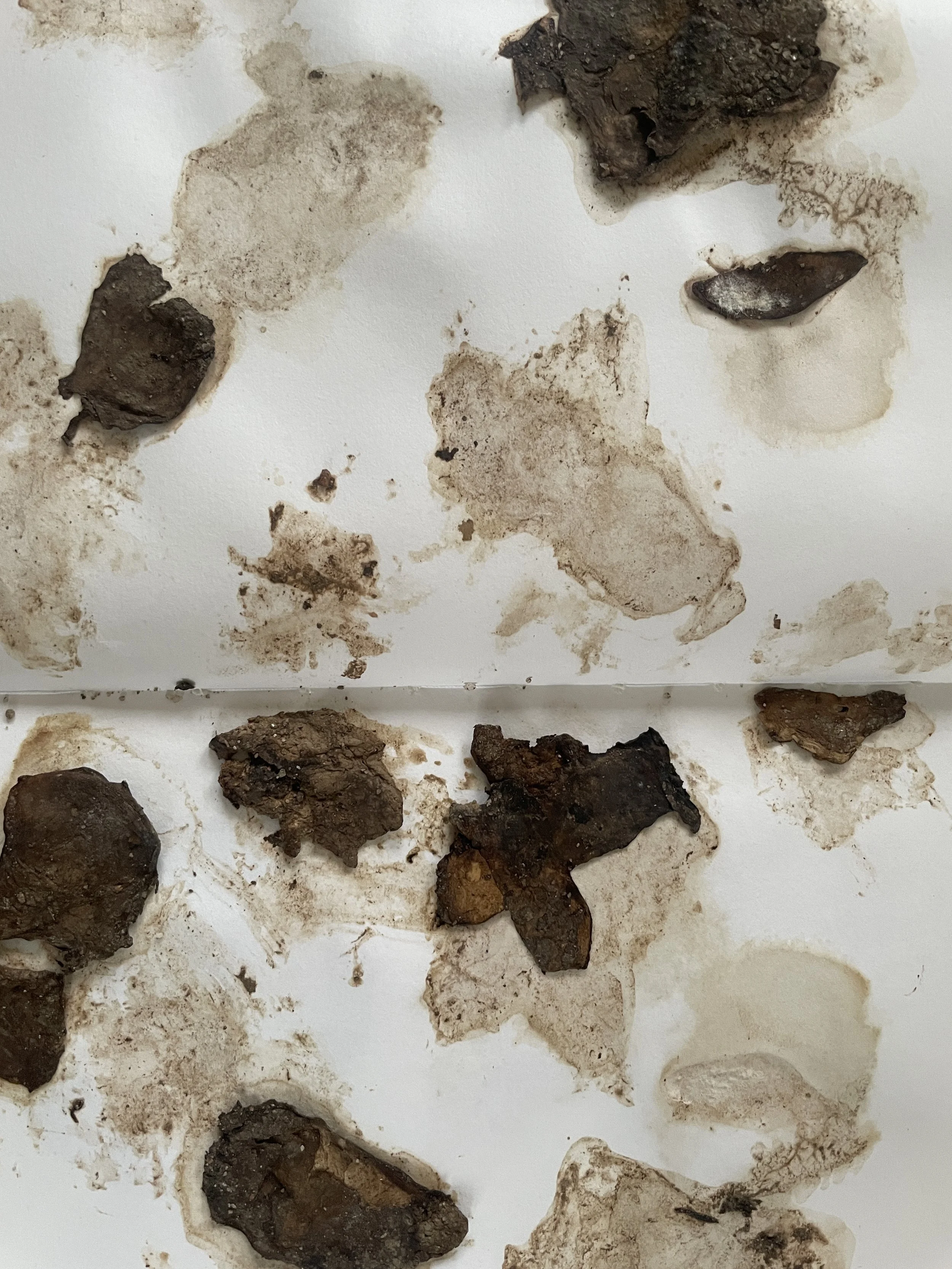
My process begins in fragments. The first image holds the moment the work starts, with my hands in the soil, listening before doing. I spend a long time here, noticing texture, moisture, what loosens and what holds. The second image is a record of those traces moving onto fabric. Soil marks, lifted from the field, sit beside small film stills from the same site. Nothing is resolved at this stage. It is only evidence. A way of understanding how the land touches back. The third image shows the fabric after repeated handling. Stains, frays, stitched edges, and areas that have been repaired or left open. This part of the process is slow. I let the material decide what remains visible. The final image brings everything together. Digging, recording, spilling, smoothing. Fieldwork and studio overlap. The work forms through these gestures rather than through a fixed plan. I follow what the soil and cloth reveal, piece by piece. Undoing is my method. I unthread, unpick, unstitch. I let things drift apart so relation can reappear in another form. Polyphony shapes the pace. Voices overlap. Sounds collide. Fungi shift with vibration, so I often listen back to the work before touching it again. Nothing moves in a straight line. A piece is never clean. It holds stains and memory. I know it is done only when the pause settles, when the material stops asking me to loosen it further. If it still resists, I let it slip and return when the thread is ready to bind again.
Influences
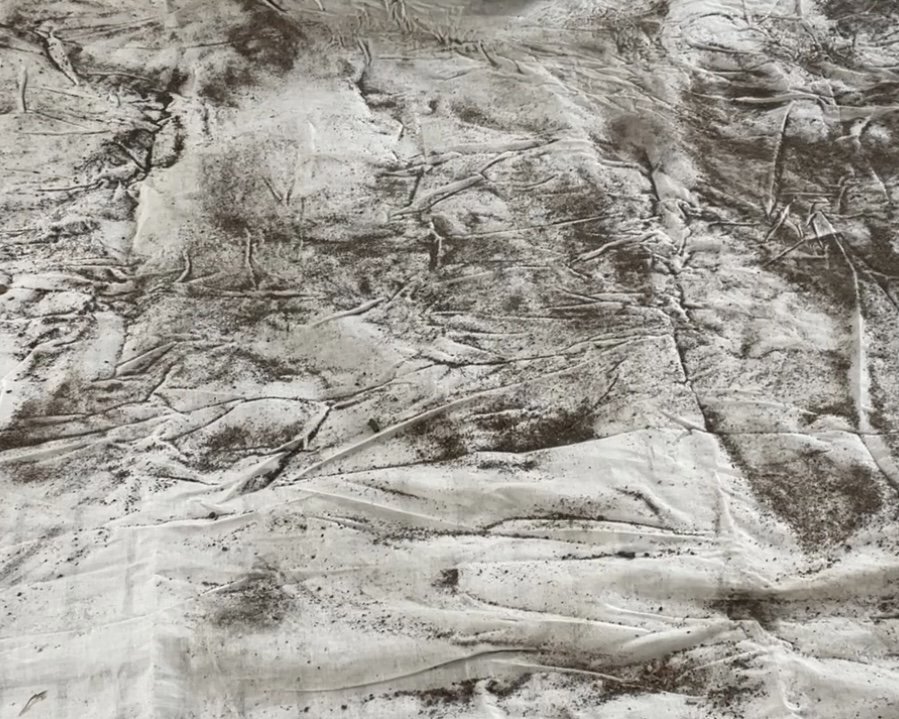
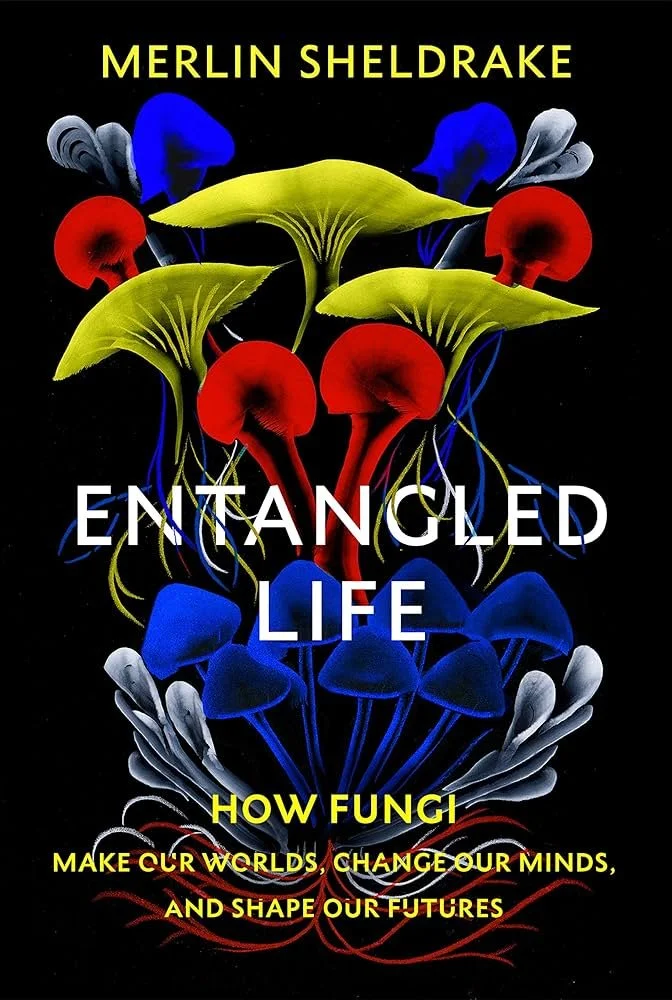
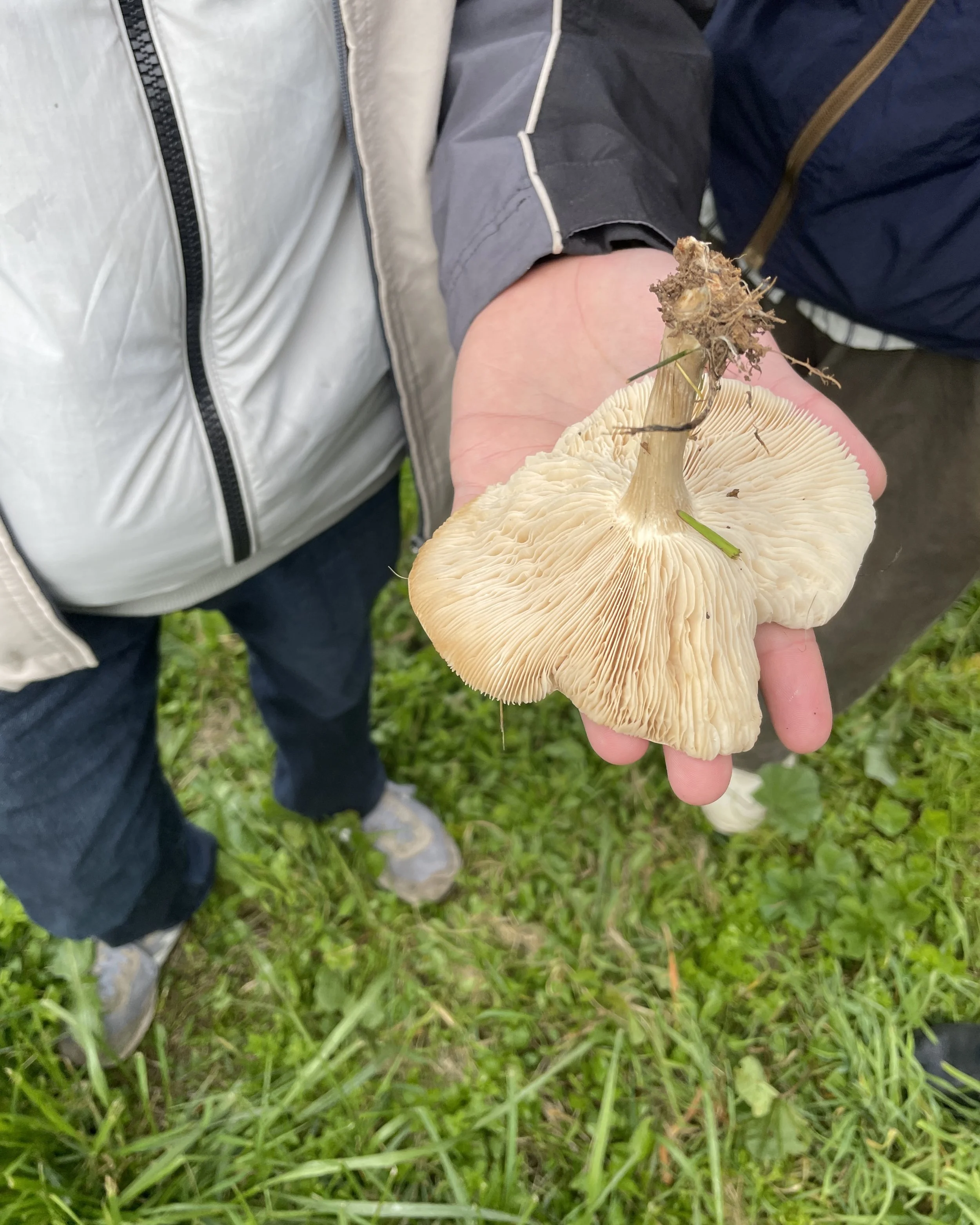
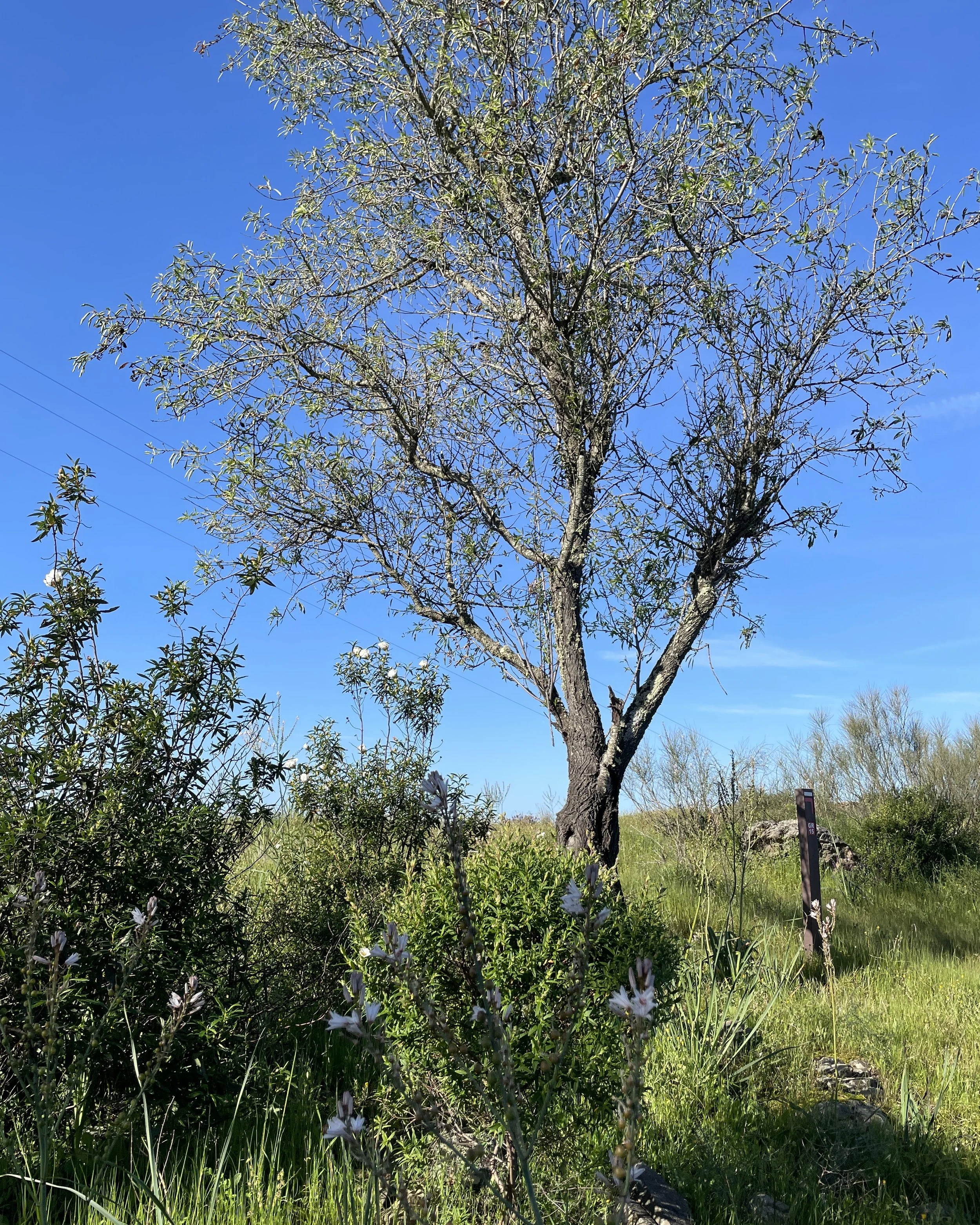
My thinking is shaped by three strands that keep returning to one another. The first is land. In Alentejo, the solitary oak laws taught me how protection is never abstract. A single tree can hold an entire ecology around it. When I photographed that landscape, I was learning how a place can be both vulnerable and resilient at once, and how soil remembers every intervention made above it. The second is fungal. Merlin Sheldrake’s work was my first doorway into understanding networks as living, shifting socialities. His writing and podcast made it impossible to see fungi as background life. They became an ethic for me: decentralised, responsive, shaped by listening rather than dominance. Yasmine Ostendorf’s Let’s Become Fungal carried this further by insisting that creative practice can learn from these same principles of porous relation. The third is trace. The fabric covered in soil stains comes from the three metre middle ground between plots, the place where ownership becomes uncertain. These marks record every movement my hands made in that soil. They are not decorative. They are the evidence of loosening, the physical residue of relational thinking. Together these images map the influences that shaped Mycelial Polyphonies: a solitary tree holding its ground, the underside of a mushroom revealing its architecture, a field of soil staining cloth, and texts that frame care as something decentralised and interdependent. All of them taught me that repair is not about closure but about remaining open to what shifts.

Challenges
Some challenges I have faced are not dramatic. They arrive quietly in the pauses. When I hit a creative block, I read or I listen. Books and podcasts steady my thinking. Sometimes I sketch whatever sits in my mind without trying to shape it. That usually loosens the knot. Balancing work and making has been its own slow negotiation. My practice is research heavy and often tangled with politics, responsibility and the small decisions that structure daily life. I’ve had to accept that thinking is part of the work, even on days when nothing visible appears. Reaching out to Eva for her middle ground research was its own challenge of courage and trust. Solo travelling to Alentejo pushed me into a landscape I had only imagined, asking me to navigate silence, soil and uncertainty on my own. Approaching Pedro Horta and the polyphonic singers required a different kind of care. Their practice holds history and emotion, and learning from them meant understanding how to enter a tradition without taking too much. Rest for me is simple. I listen to a familiar podcast while lying down. Sometimes I fall asleep in the middle of it. Often I sit in silence for a few minutes before starting again. What keeps my practice alive is curiosity. The sense that I never fully understand what I am working on. My practice has evolved with me. It is less about proving something now and more about paying attention to what is already there.
Reflection
Moving forward, my practice feels less like a straight path and more like a slow circling back to what first shifted something in me. Success used to mean producing work that looked complete. Now it feels more like staying attentive, staying honest, and staying open to being changed by what I study. The work does not need to be big. It just needs to be alive. If someone asked me how to sustain a creative practice, I would tell them to start by paying attention to the small things that hold everything else together. The things most people overlook. Soil, sound, pauses, the loose threads that never announce themselves. Those quiet details kept my practice steady when I felt disconnected from it. For anyone who feels stuck, I would say: go back to the moment that altered your way of seeing. Not the medium, not the outcome, but the insight. Mine was learning that things do not need a centre to hold. That decentralised systems can still be tender. That loosened something in me. It still does. For someone just beginning, I would say: listen more than you impose. Let materials speak before you decide what they are for. Let uncertainty sit beside you without rushing to polish it away. The work becomes clearer when you stop trying to force it into clarity. As for what comes next, I feel a pull inward. I don’t think I want to remain in fieldwork in the same way. Soil and the middle ground have already taught me what they needed to. I want to spend time reading, thinking, understanding. I want my practice to deepen rather than widen. To move from the physical ground to the conceptual ground, but with the same ethics: softness, attentiveness, decentralised thinking, care that is not performative. I imagine a practice shaped less by production and more by research, writing, and the slow work of making sense of things. But it will still sit in the same place it always has for me: between art, ecology and politics, grounded in lived moments rather than distant theory. What comes next is not a clean reinvention. It is a continuation. A shift in emphasis. A new way of holding the same questions. How are things held together? How do they come apart? And what does it mean to stay with that tension without forcing closure?