Monique Wan
I am an artist who has lived, studied, and worked across Hong Kong, Japan, and London. I completed my MFA Fine Art at University of the Arts London. Moving between these different cultural environments has shaped the way I see and experience the world. I draw from a diasporic perspective, exploring ideas of cultural identity, memory, nostalgia, and the emotional experience of living between places. At the same time, my practice also looks beyond cultural differences towards the universality of human psychology. I am interested in how people perceive themselves, construct their own realities, and sometimes create their own struggles. Through painting, drawing, cyanotype, and printmaking, I translate these observations and experiences into carefully constructed works that sit between the personal and the universal.
Process
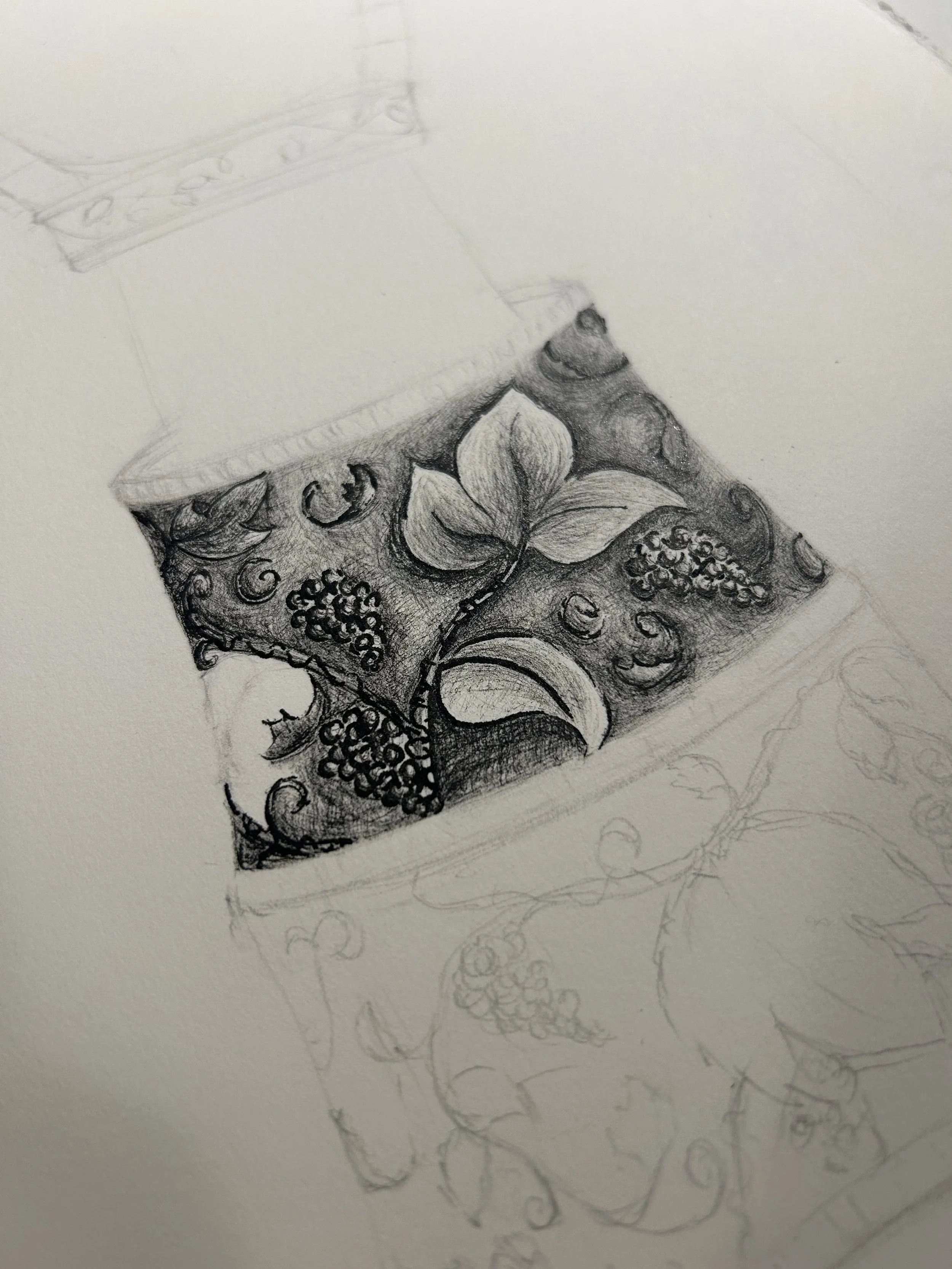
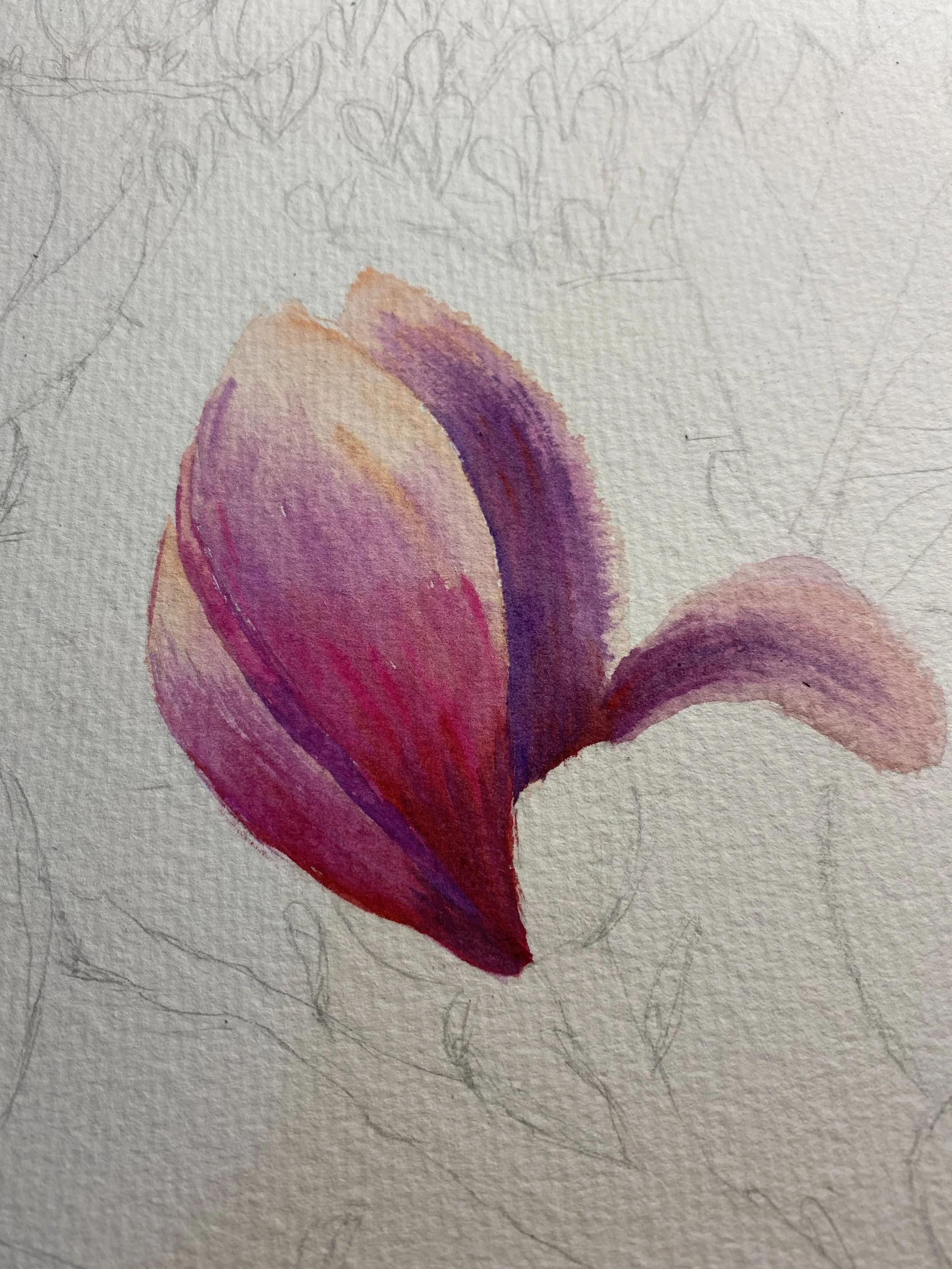
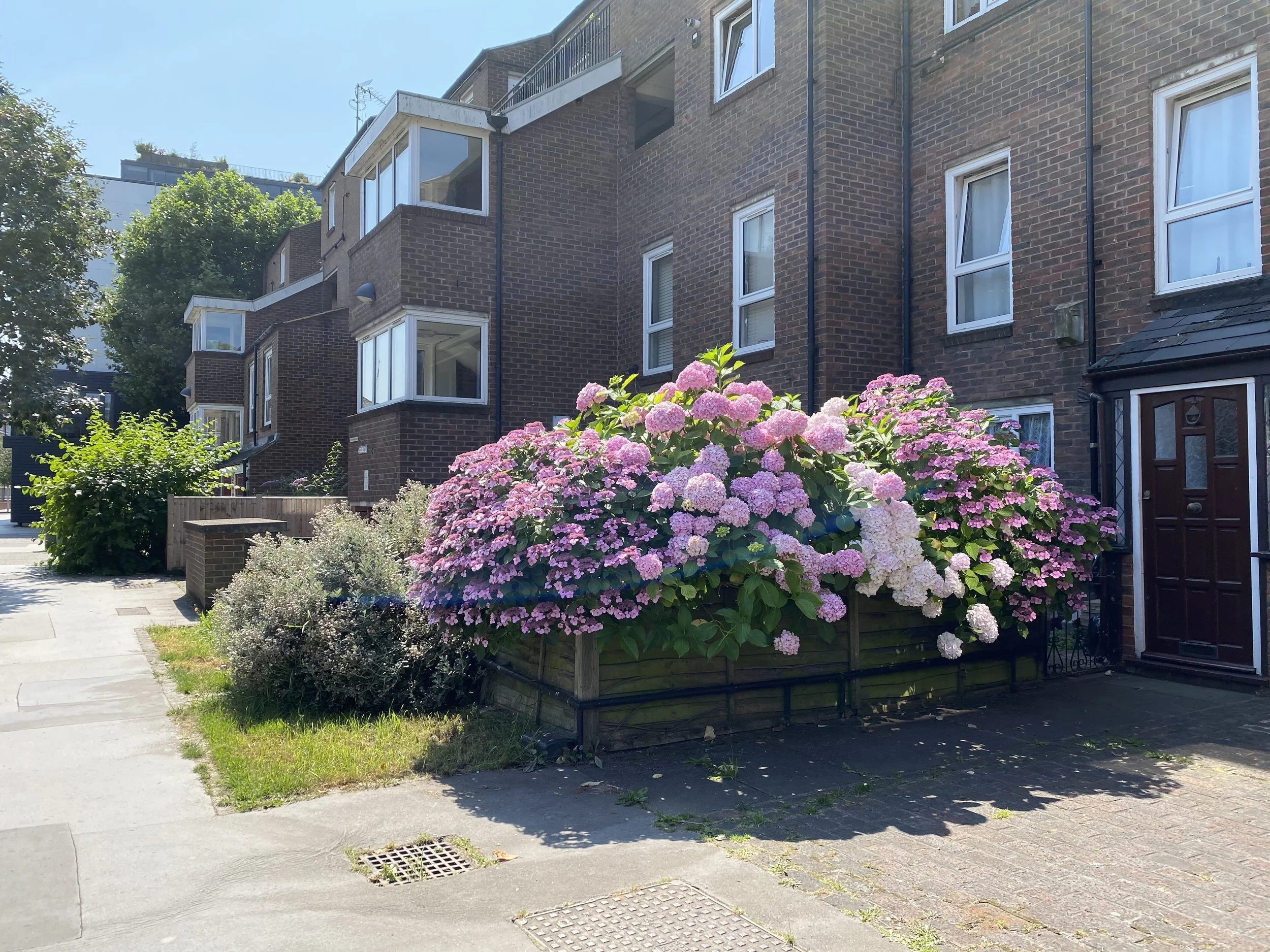
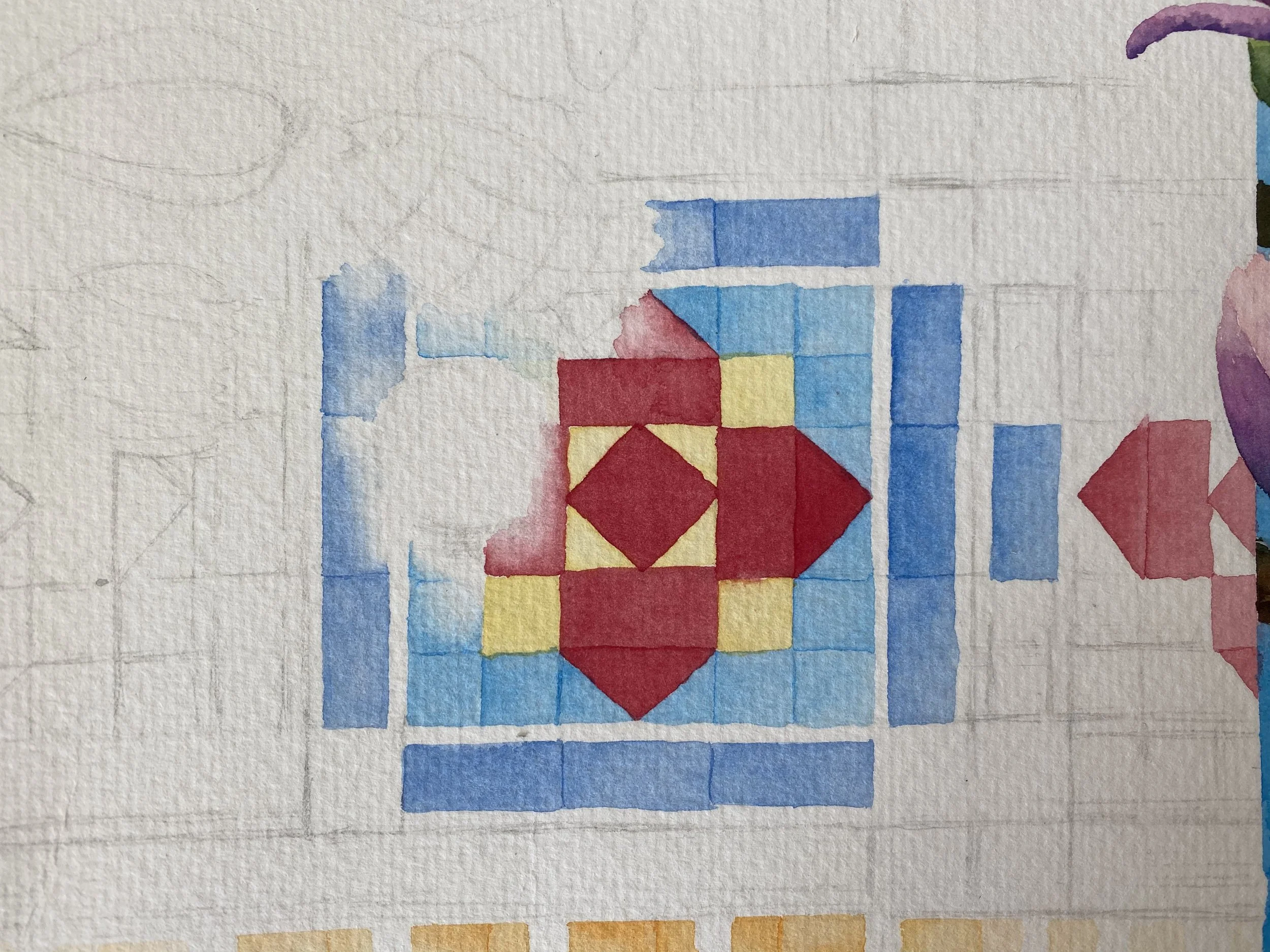
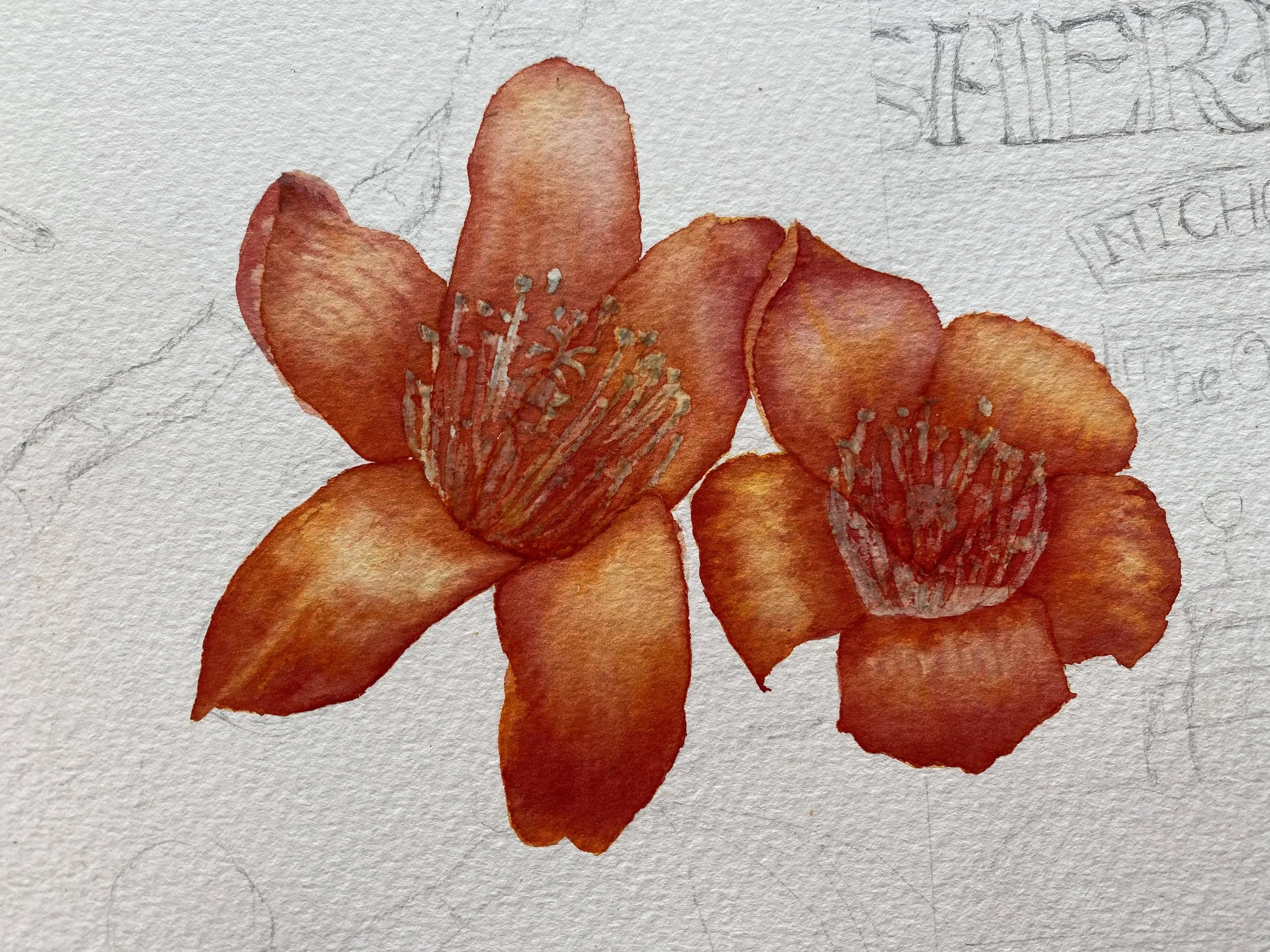
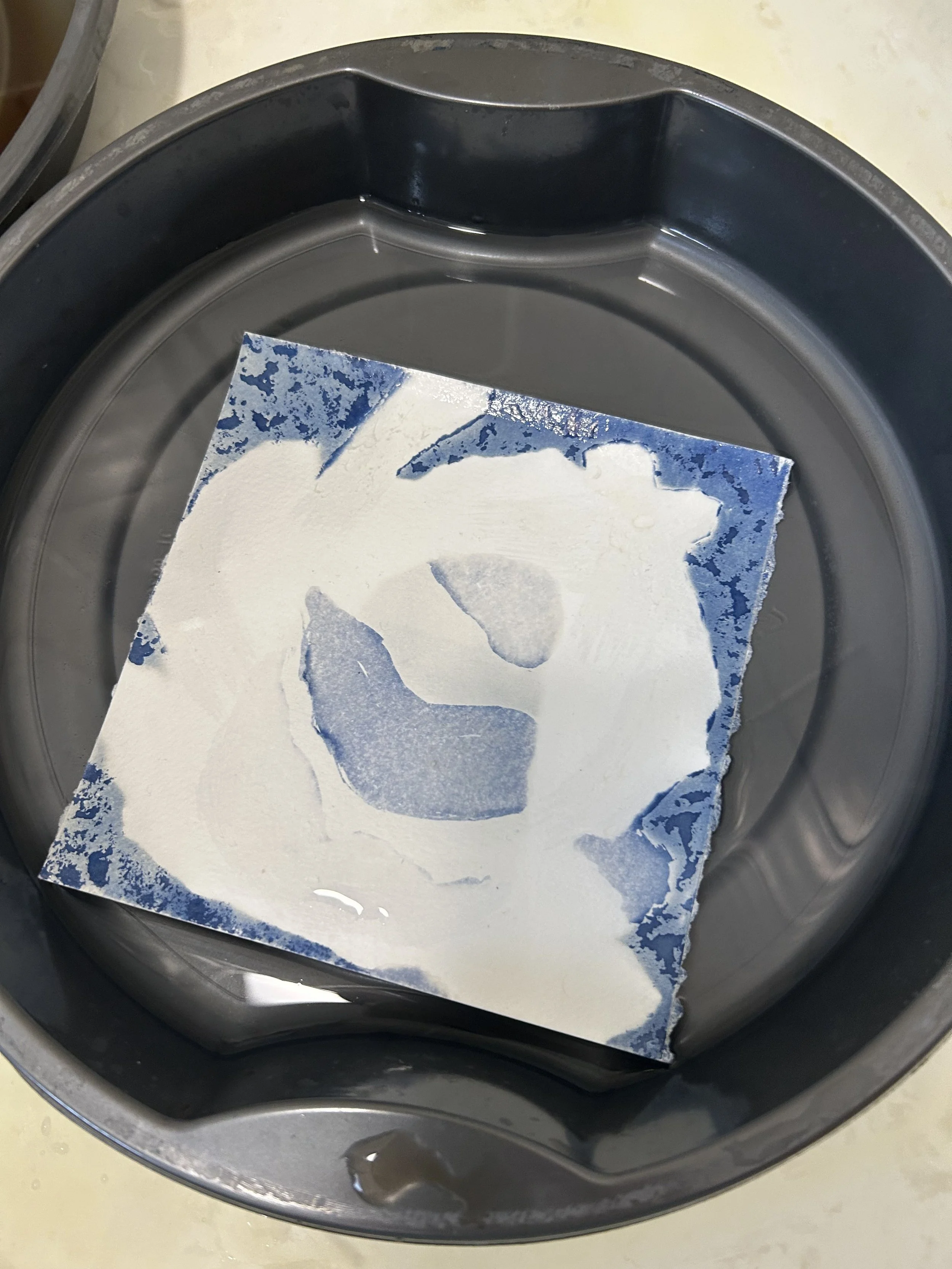
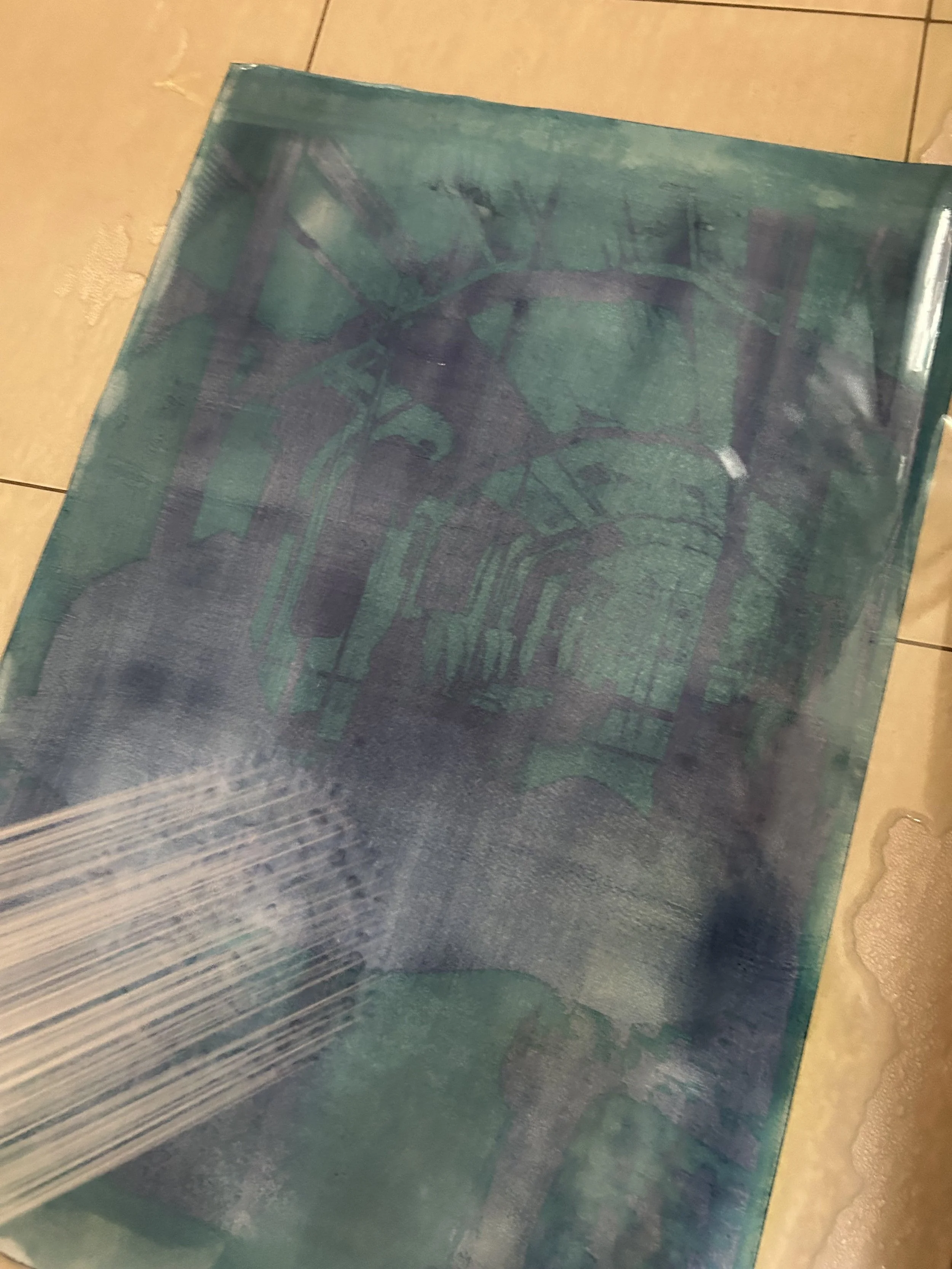
My work often begins with observation. I am naturally attentive to small details in everyday life, and an image, gesture, object, or moment can become the starting point for a new idea. I usually begin in my sketchbook, making quick drafts and testing compositions before developing the work further. I work mainly with watercolour, drawing, cyanotype, and printmaking, allowing the material and process to become part of the idea itself. My subjects have developed across different directions: from memories, cultural identity, and belonging to more recent explorations of psychological patterns such as overthinking, self-doubt, internal conflict, and repetition. I enjoy allowing an initial observation to develop gradually rather than deciding everything at the beginning.
Influences
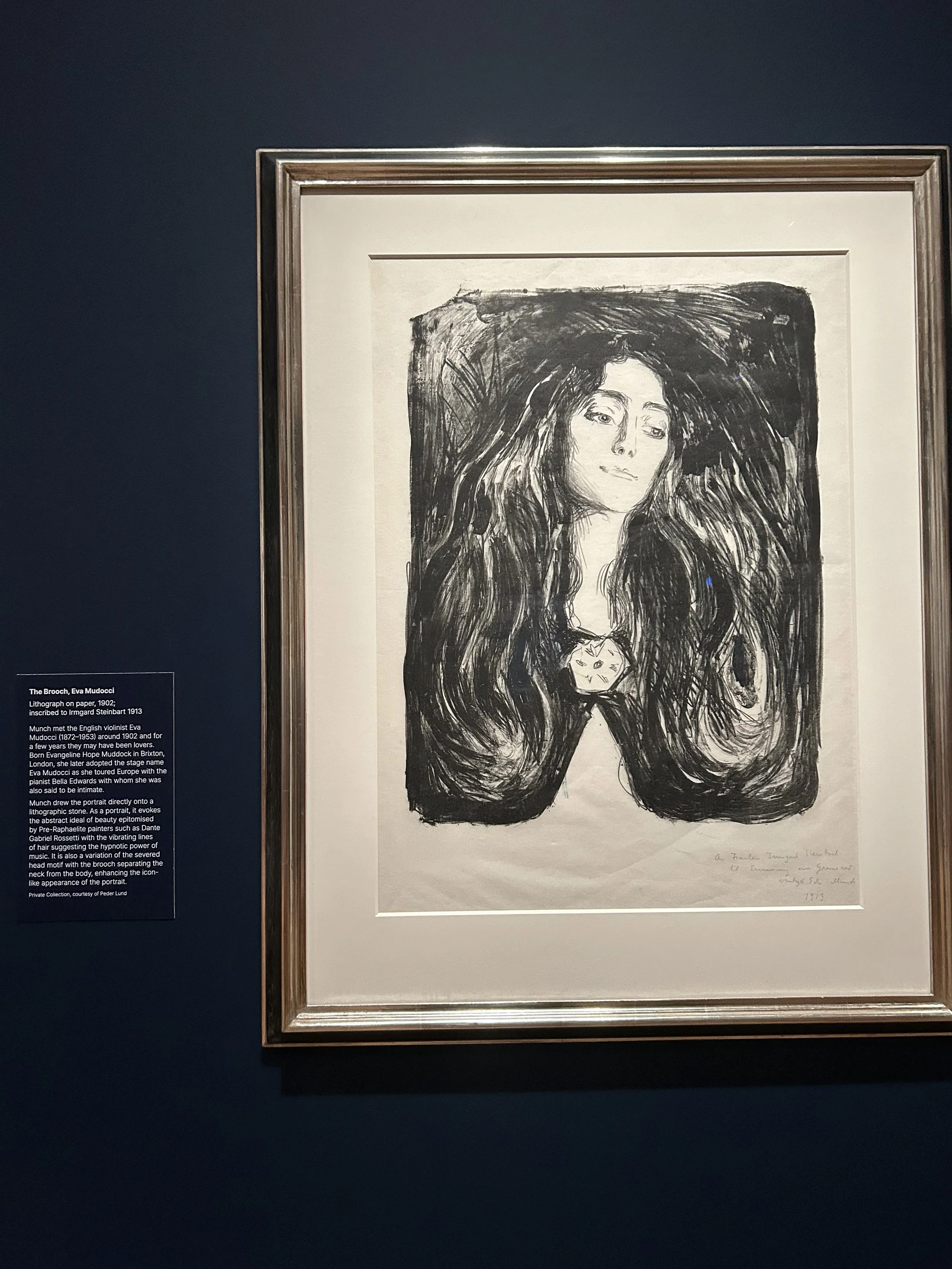
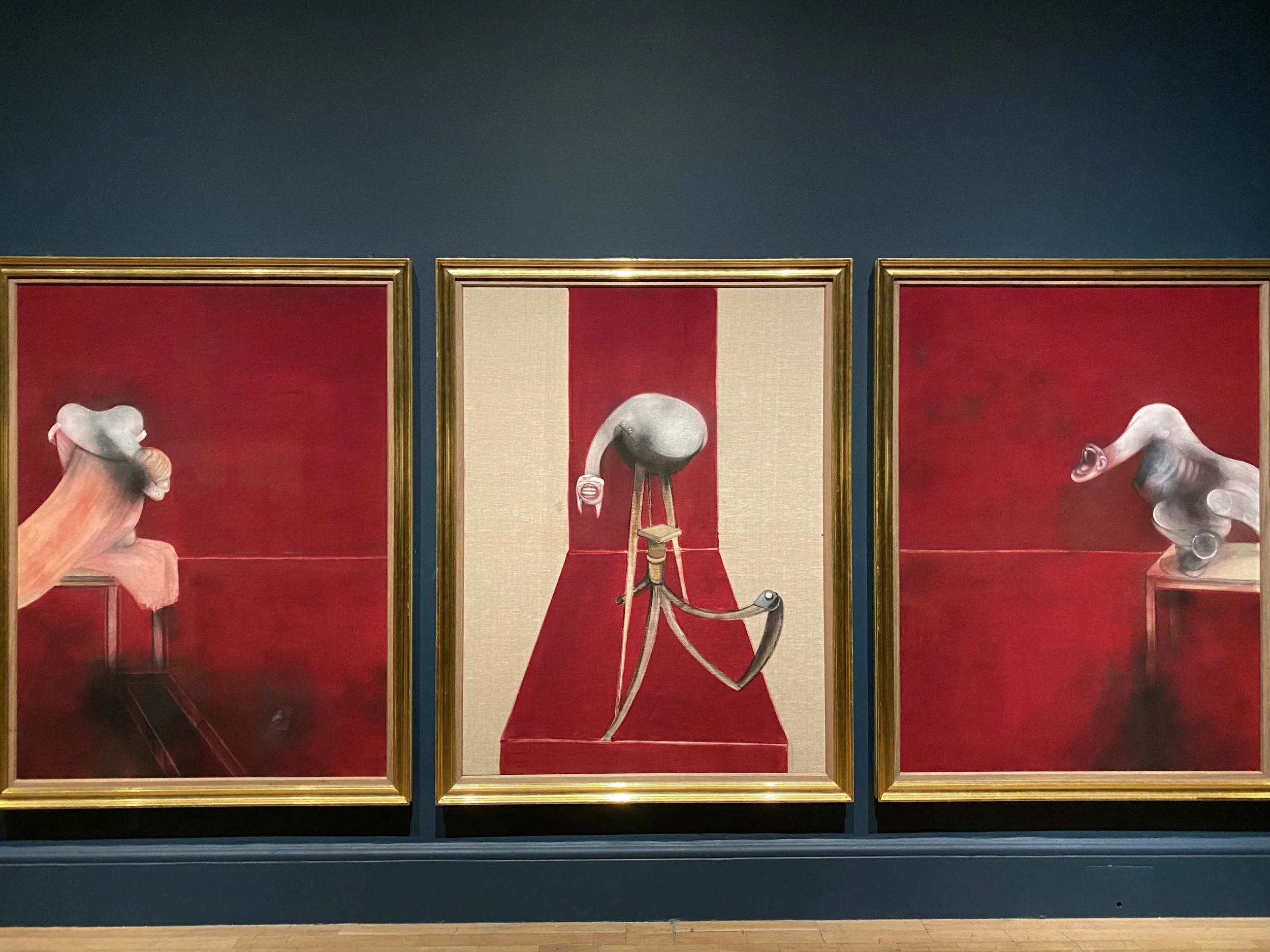
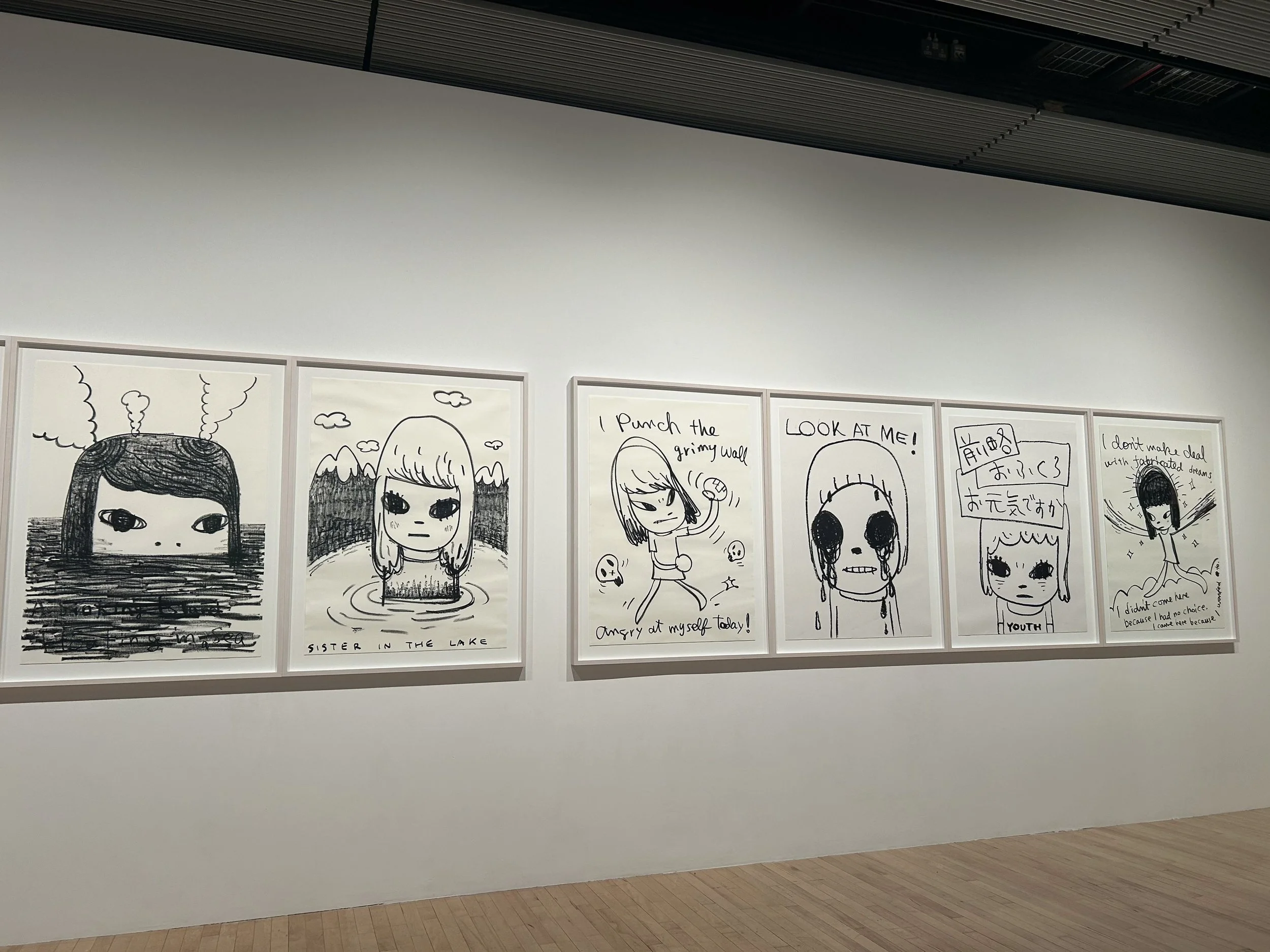
Visiting museums and galleries every week is an important part of my practice. I constantly look at how other artists use materials, composition, space, and ideas, and I often find inspiration in unexpected connections between different practices. Recent exhibitions that have stayed with me include Francis Bacon at the Royal Academy, Yoshitomo Nara at the Hayward Gallery, Marina Abramović at the Royal Academy, and Edvard Munch at the National Portrait Gallery. I am influenced not only by individual artists, but also by the way exhibitions are curated and how artworks communicate with one another in a space. These experiences encourage me to keep questioning my own work and to think beyond the image itself—considering how an artwork can create an atmosphere, a psychological response, or a dialogue with its surroundings.
Challenges
My studio is also the place where I live, so space is one of the biggest practical challenges in my practice. Sometimes I wish I had a much larger studio where I could work on ambitious, large-scale pieces without constantly thinking about where everything will go. I sometimes feel limited by the small scale I can realistically produce. At the same time, I have gradually realised that space is never truly enough, no matter how large a studio becomes. Learning to organise, adapt, and make the best use of what I have is also part of being an artist. Working within limitations has made me more conscious of scale, materials, and efficiency, and has encouraged me to think creatively about how an idea can exist within a restricted physical space.
Reflection
Looking back at my practice, I realise that my work is less about staying within one subject and more about following questions that emerge from everyday experience. My exploration of cultural identity has naturally led me towards memory, perception, and eventually the psychological patterns that exist beneath them. I am increasingly interested in what is shared between people, regardless of where they come from: the tendency to overthink, repeat mistakes, create imagined problems, or search for meaning. I also want to remain open to experimentation, rather than defining my practice too narrowly. For me, being an artist means continuing to observe, question, and make connections—and allowing the work to lead me somewhere I did not necessarily expect.