Emily Schroeder Willis
Q4 featured artist
My name is Emily Schroeder and I am a teaching artist in the city of Chicago. I worked as a potter for many years. I am fascinated by how functional vessels speak a universal language. Everyone knows how to hold a cup, how to fill a pot with flowers or a bowl with food. Pots are objects that speak to the everyday lives we all live. While I no longer make pots for use, I appreciate the way in which specific forms still relate to familiar domestic objects.
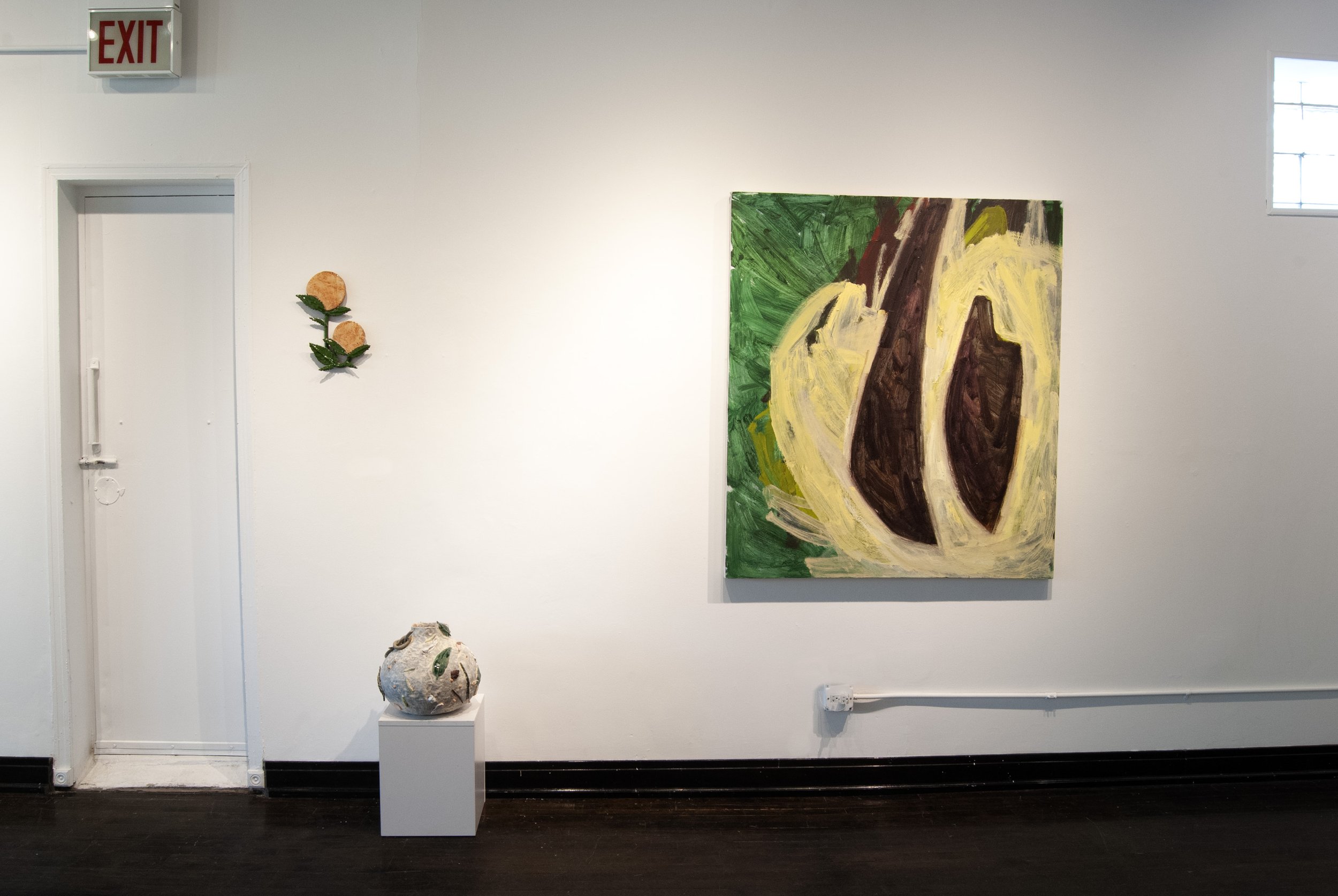
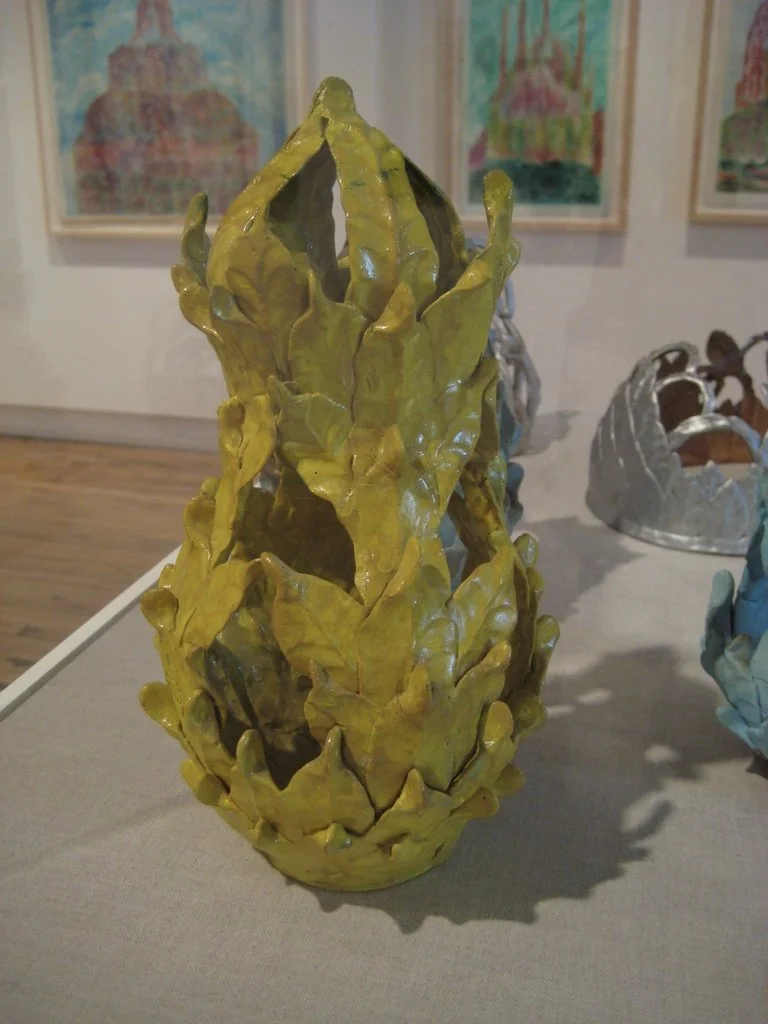
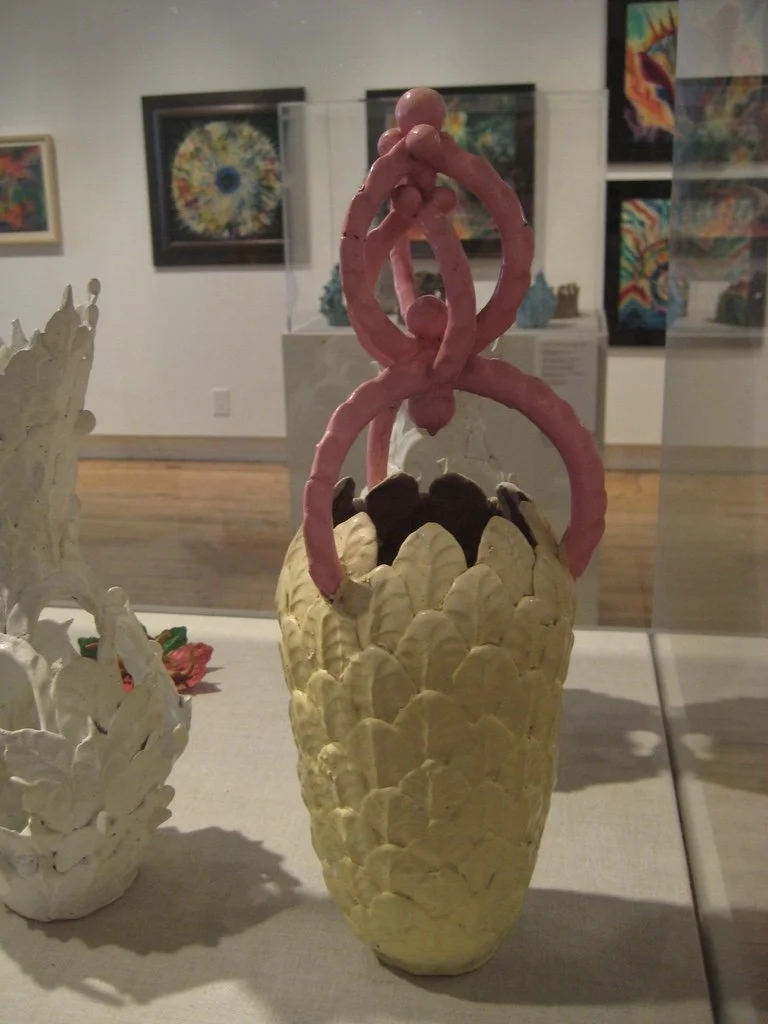
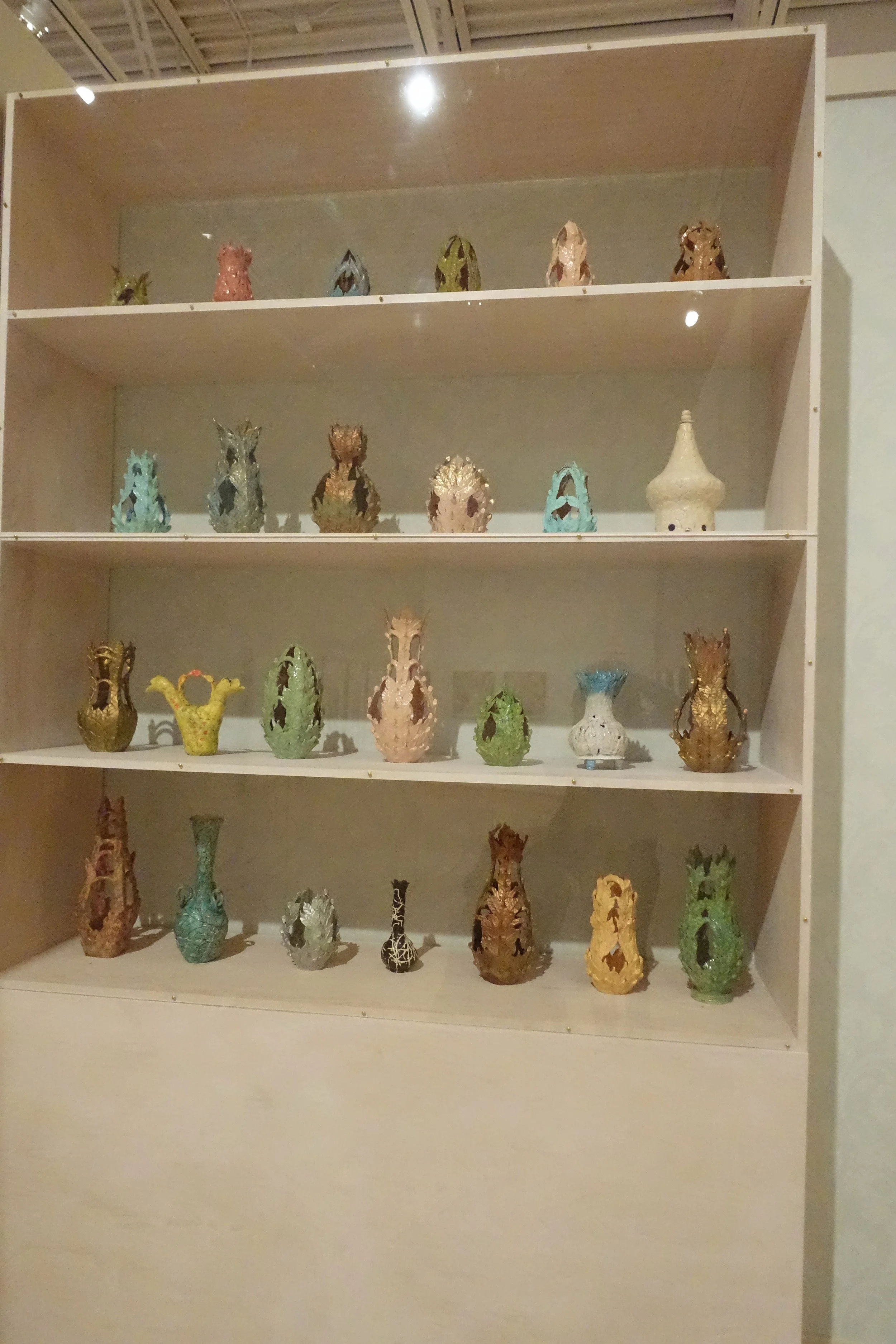
I appreciate pots for their ordinariness. What I also love about pots is their ability to contain. We fill pots with tasty things, beautiful things, things we collect. I love the idea of our body as a vessel containing our thoughts, sentiments, beliefs, a collection of our environment, of our family. In my current work I merge these interests: vessel as ordinary object and symbolic container. I create simple, abstracted forms that acts as collectors of my surroundings. I live in a very urban environment where I am not always surrounded by traditional notions of “natural” beauty, but nevertheless, I see it everywhere I go. Walking or biking through my neighborhood I am attuned to the contrasts between textures and colors, the ways historic and modern architecture clash, how the natural and the constructed environment I live in are often at odds with each other. These vessels are reflections of my world and in essence, they become an abstracted amalgamation of me.
Studio Practice
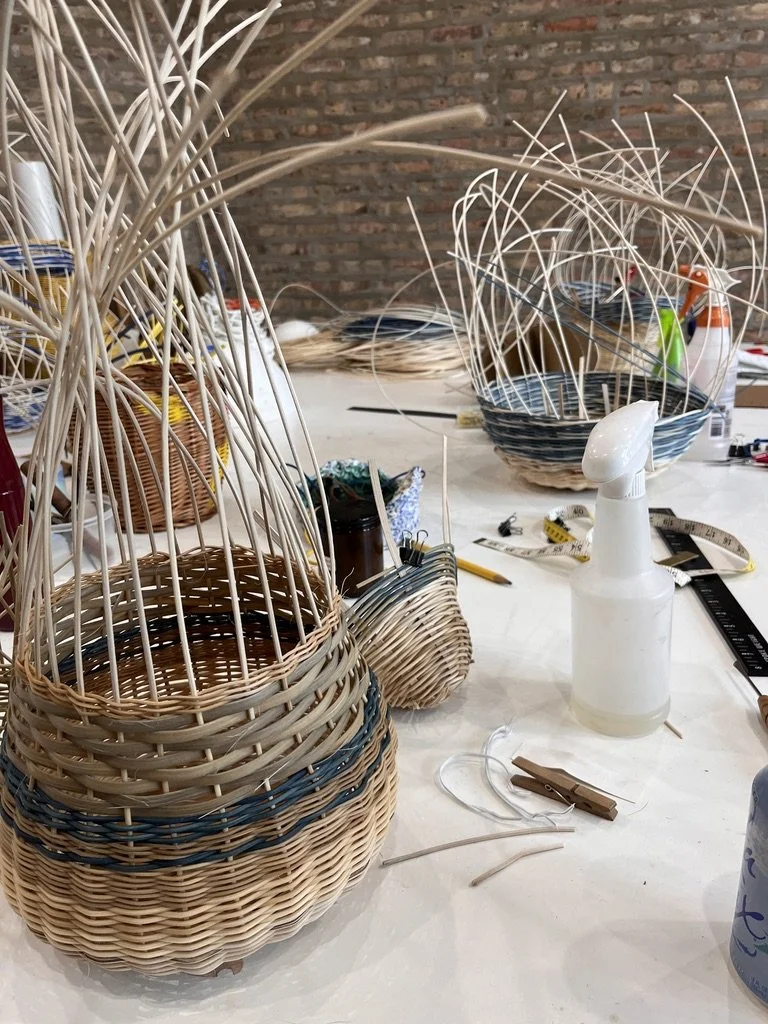
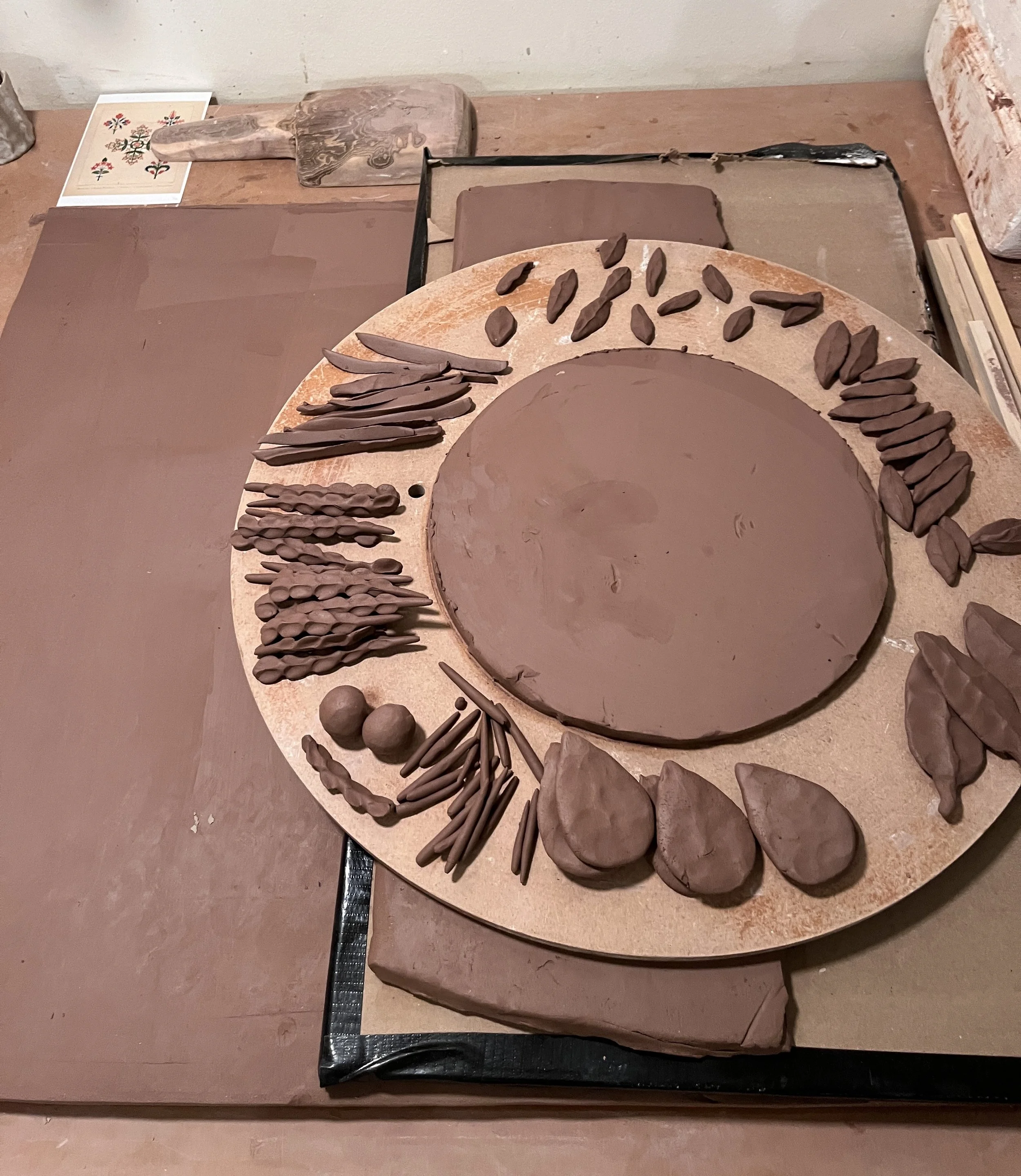
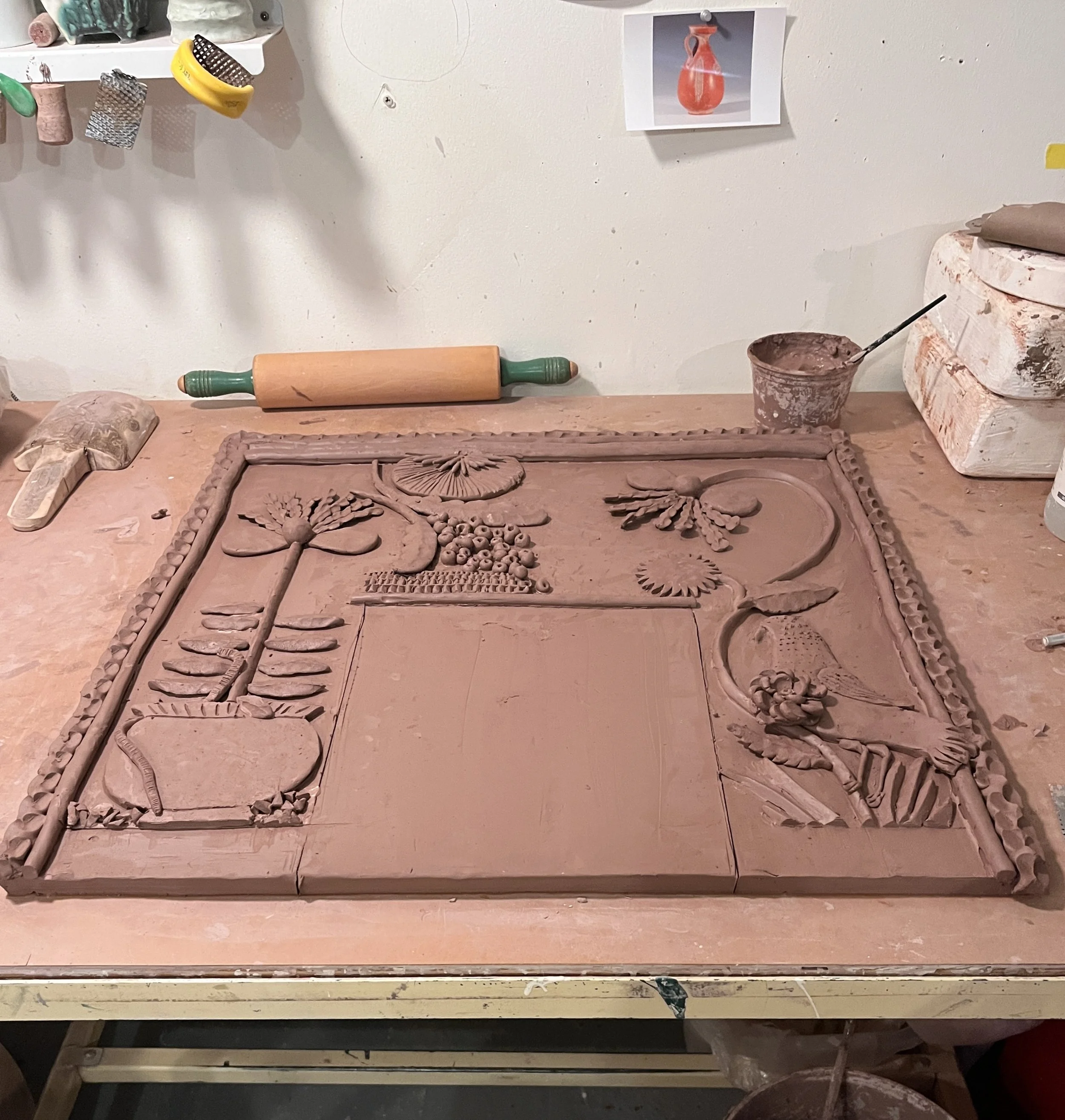
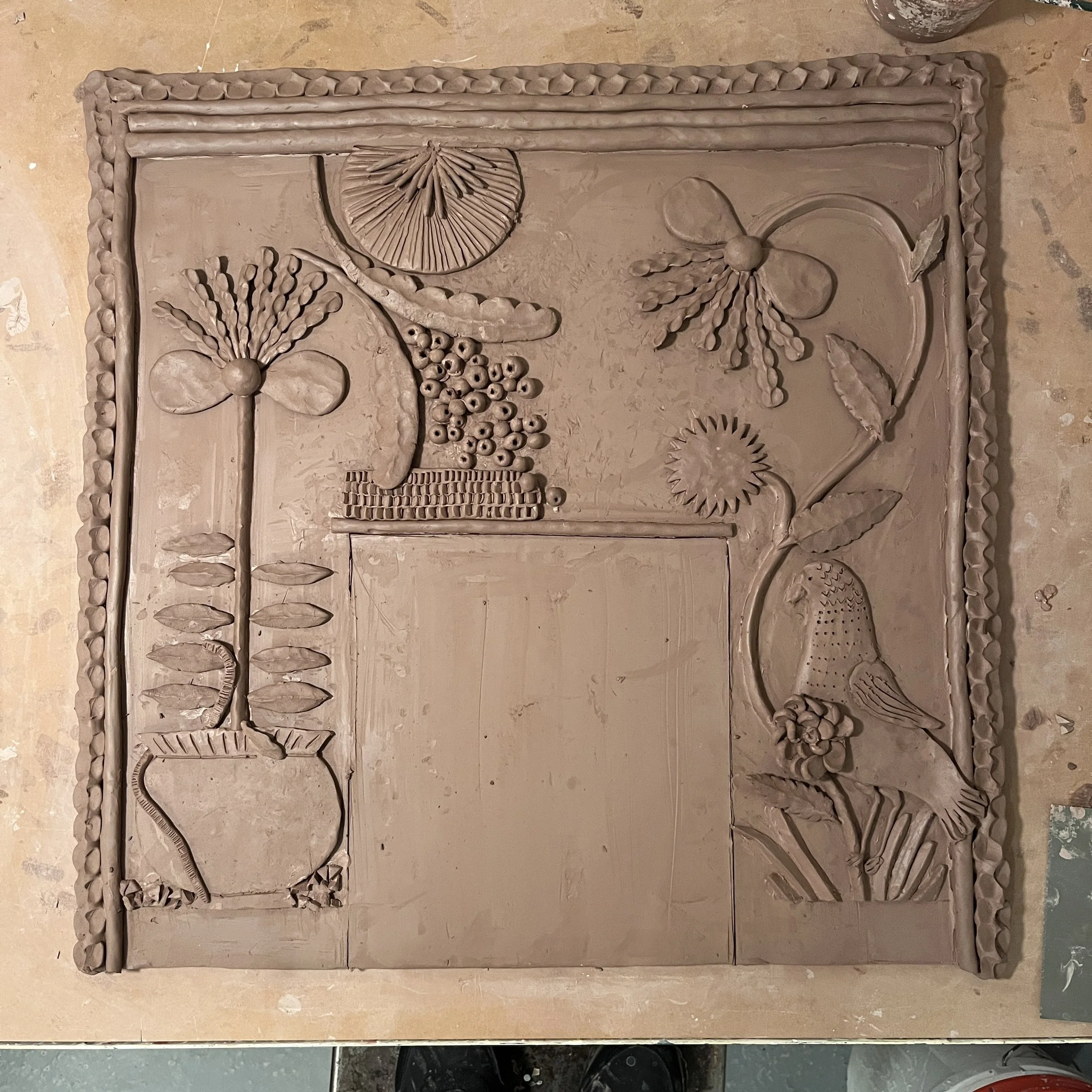
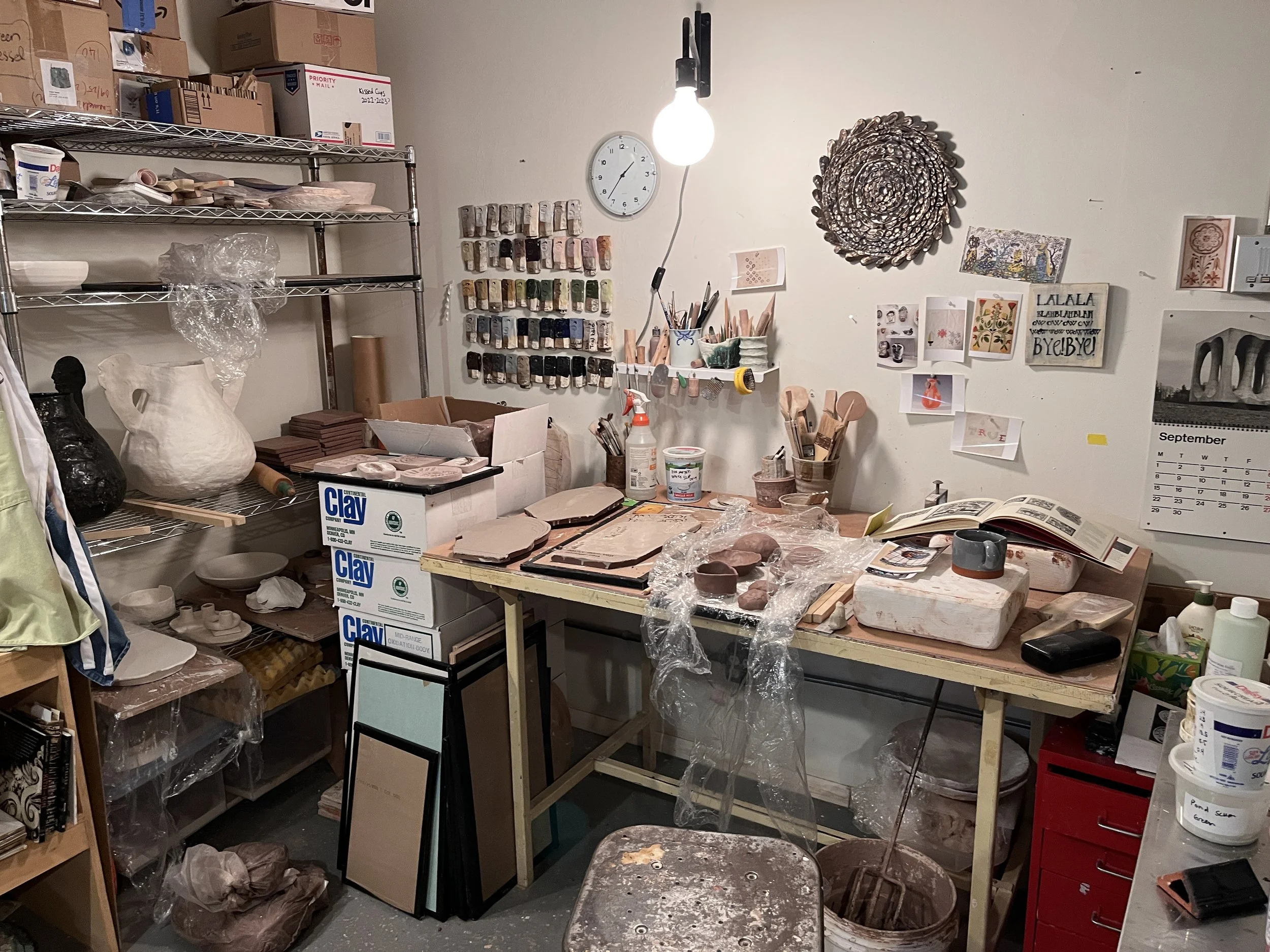
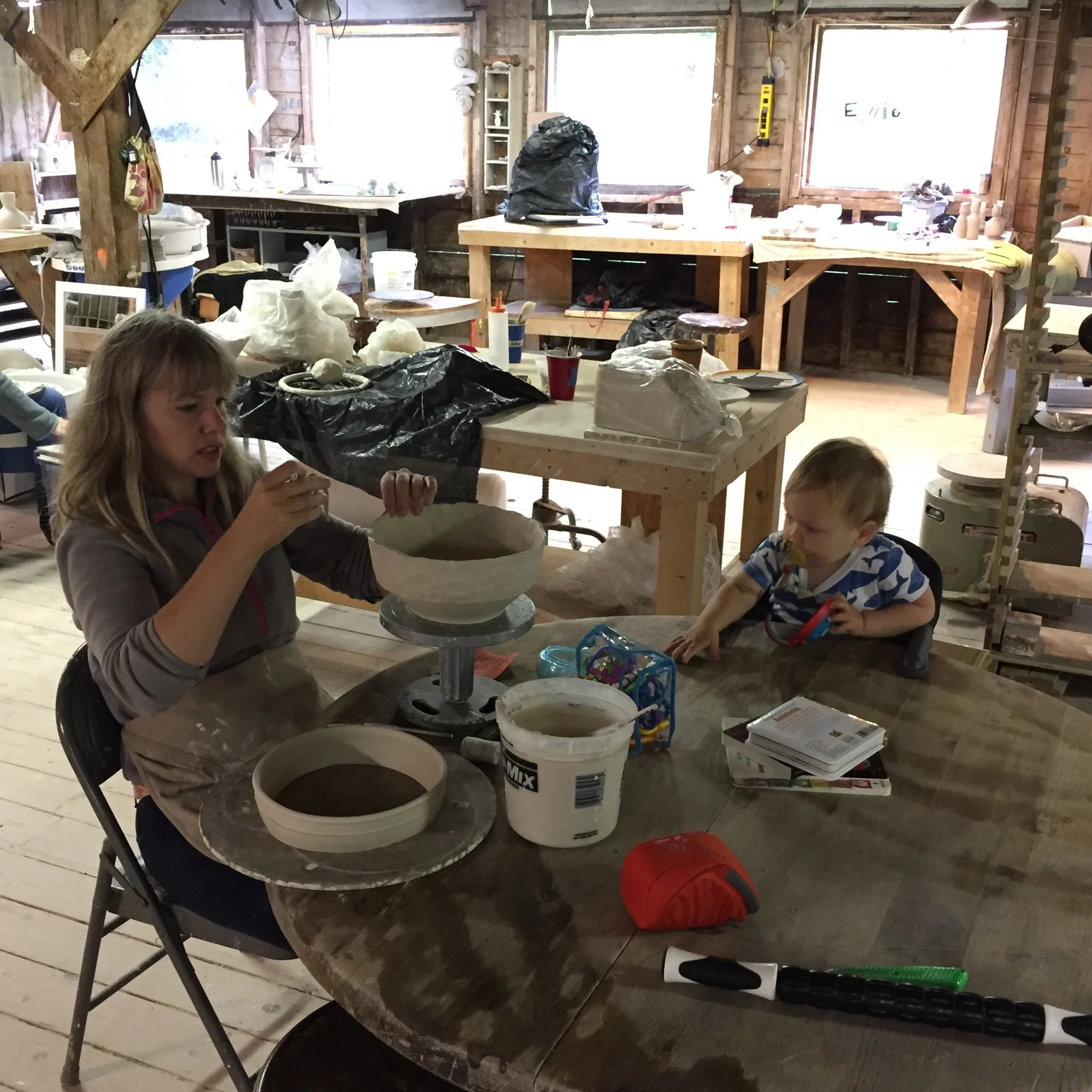
My studio practice has been in a bit of flux lately. I have been going through changes in my personal life and as we all know, art imitates life! I made pots for many years and have a bit of a love/hate relationship with pots. I loved them as visual objects but found the “function” of them limiting how I wanted to work. Now, I use the language and techniques of pots to inform the sculptures I am making. In a new pivot though, I have started making tiles. I am not exactly sure how these are going to fit in with the work I have been making, but I find the flat surface a refreshing space to explore. I also started the habit of writing a list of what I want to accomplish in my studio when I walk in the door. It helps me to stay focused and not bunny trail off into tasks that might otherwise divert my attention. I always try and clean my table and floor at the end of a workday. That way when I come into the studio, I feel I have a space ready to start working in.
Inspiration
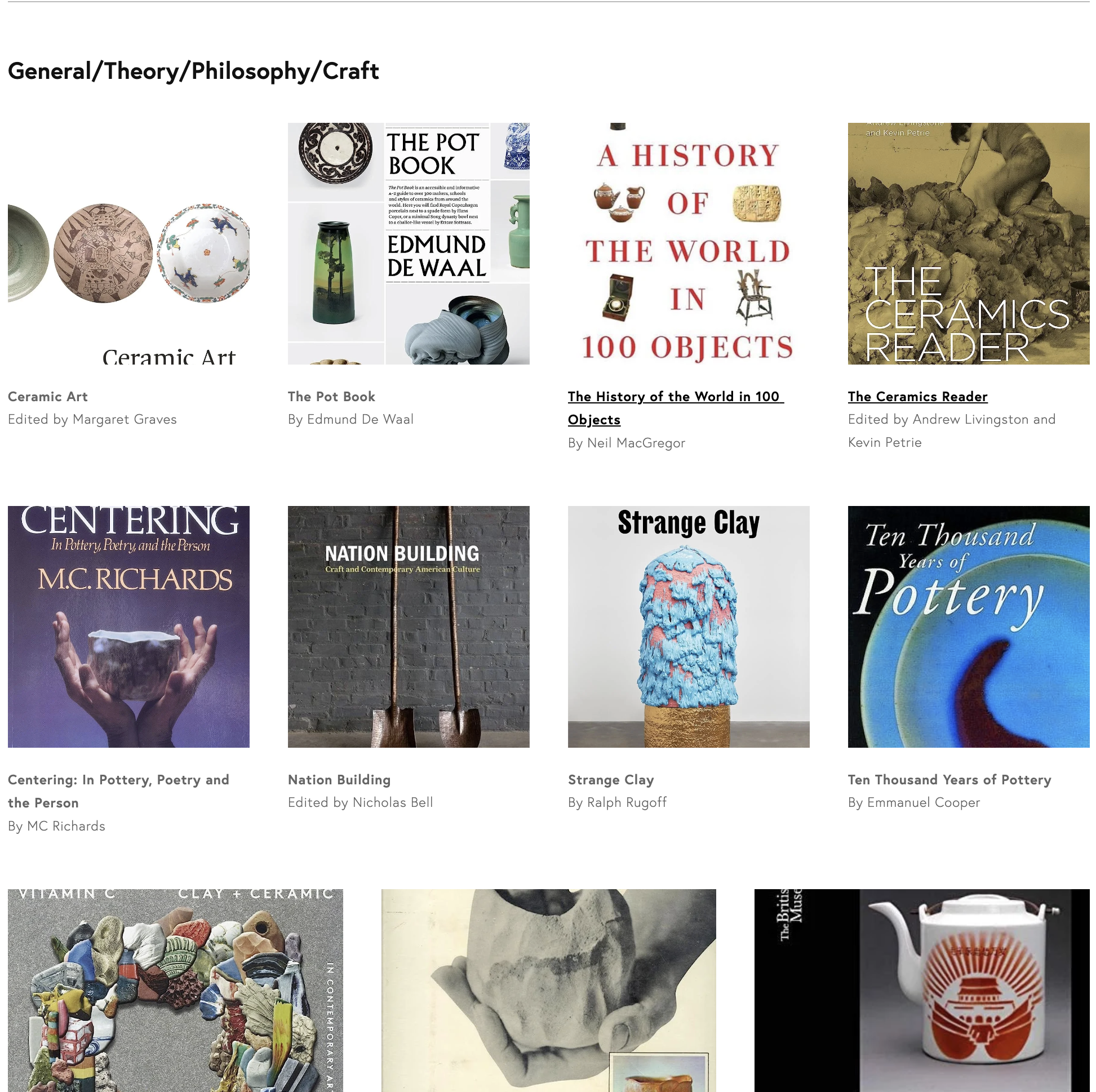
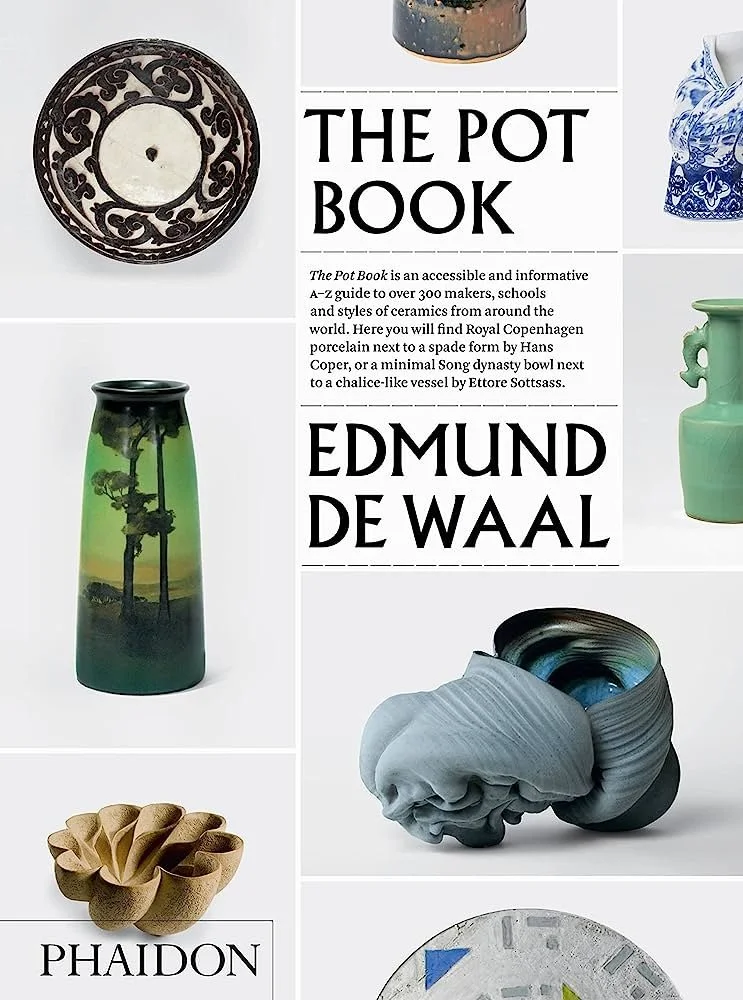
An artist I constantly look at is Eugene Von Brunchenhein, a self-taught artist from the Milwaukee area. Every time I encounter his work I learn or see something new. His work is a mash up of high and low art, none of his ceramics were ever fired which always makes me question the process of the kiln, but I am not quite ready to dive into that experiment yet! I love the playful earnestness in his work; the passion he exudes in every facet of his work, whether it was painting, photography or sculpture is truly remarkable. I did not grow up as a reader. In graduate school, I found reading to be a real drag to my studio practice. All I wanted was to make work! Now, when I feel stuck, I read ceramic history books which is a result of teaching a ceramic art history course at SAIC. There are so many facets of this medium I never knew, and I find it fascinating how in many ways humanity has not changed much over the millennia. If you are looking for some inspiration, I have a link on my website with some of my favorite ceramic (ish) books.

Challenges
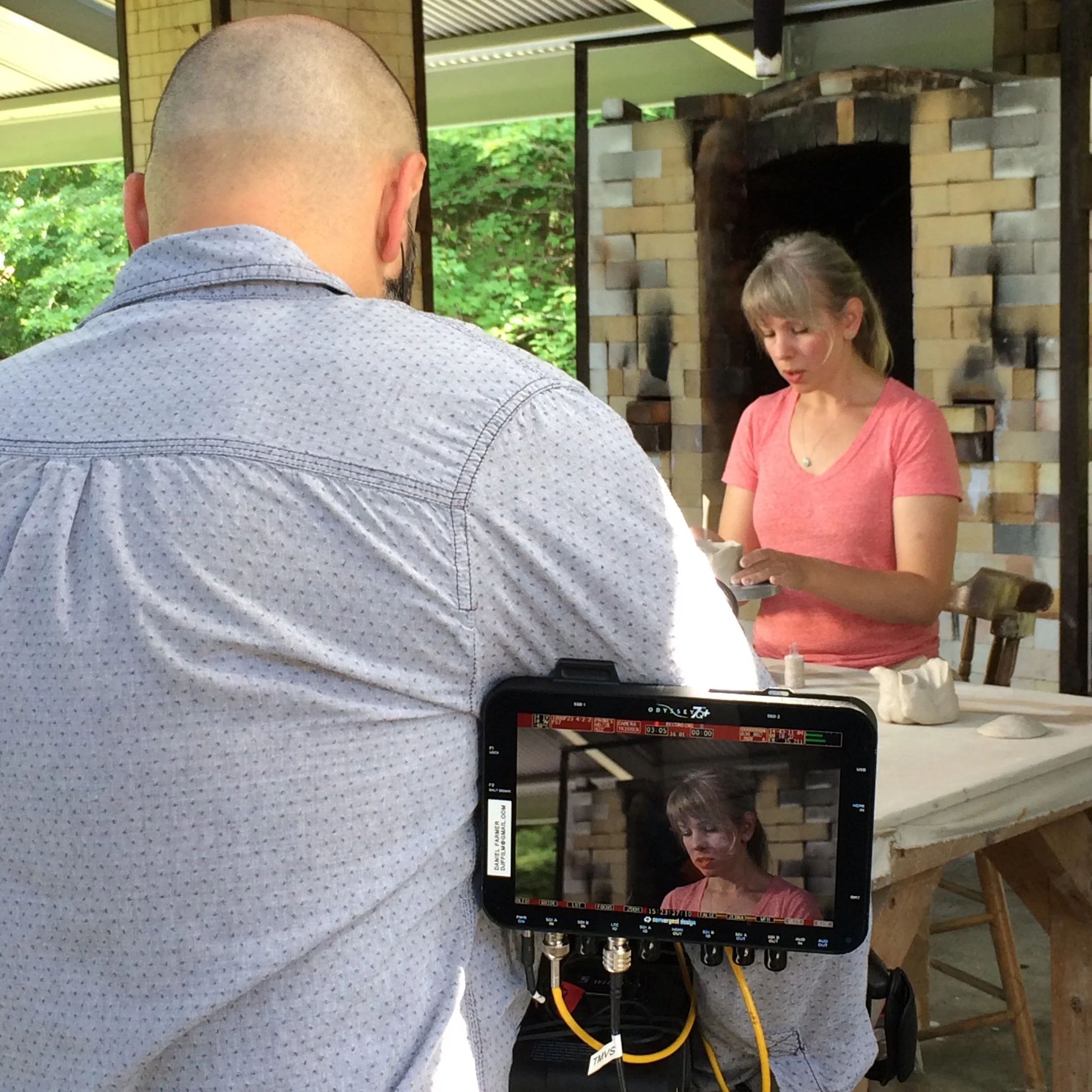
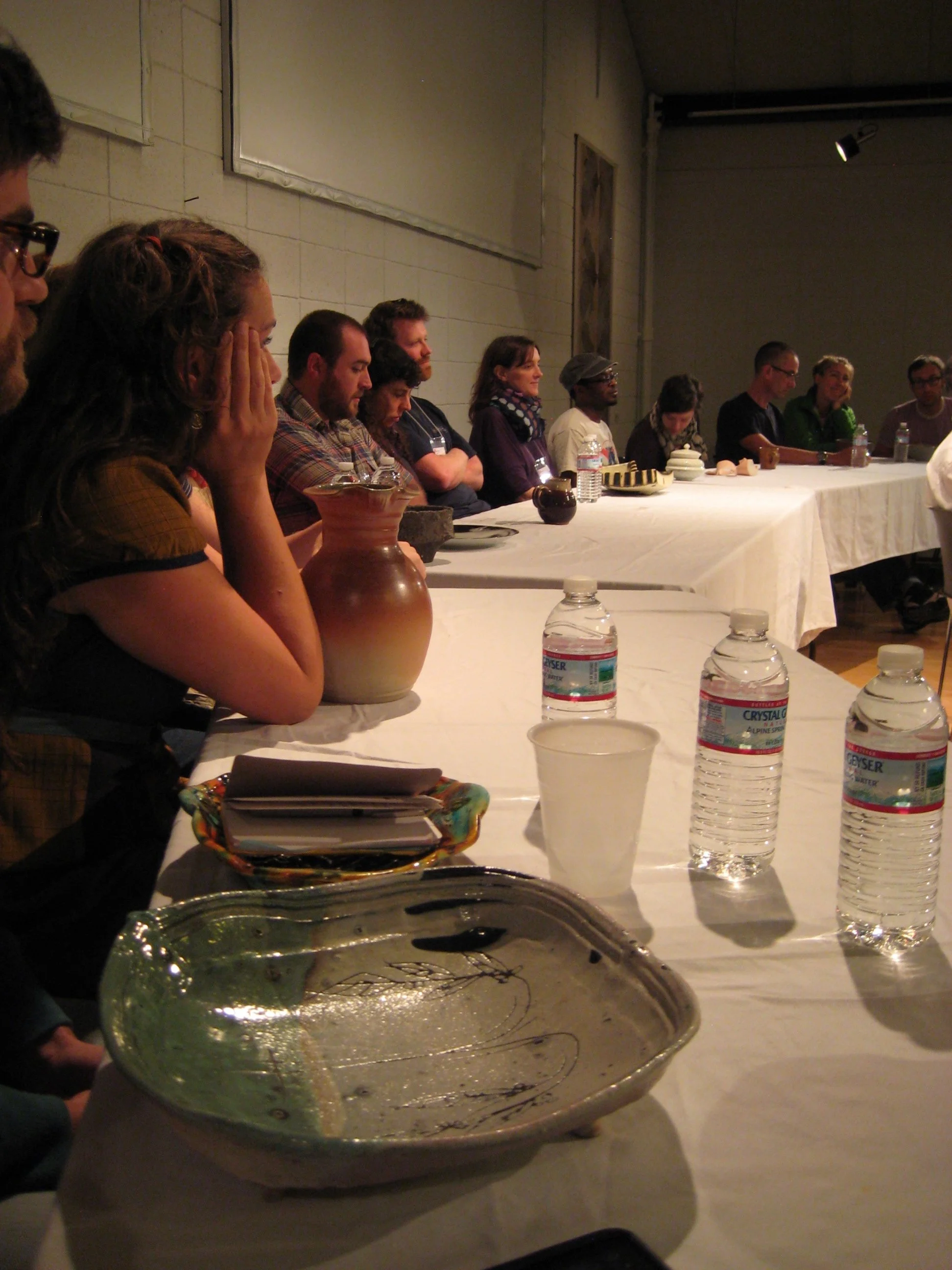
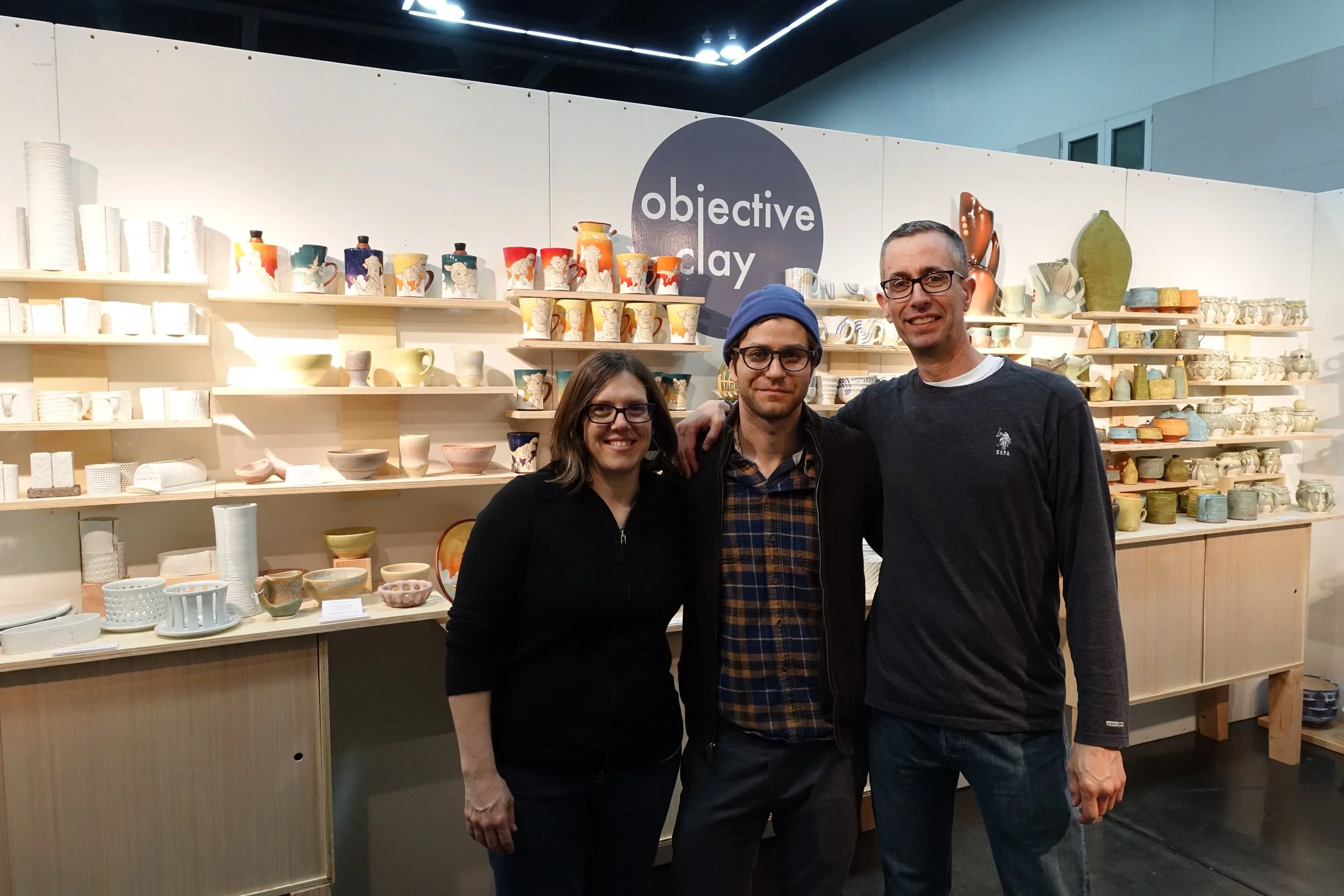
I find being connected to an artistic community the best way to push through difficult times. I drill into my students to stick together after school. In 2010, I was part of a clay collective called Objective Clay. It was a group of 12 clay artists from all over the US. We connected once a month online. We did residencies together, had exhibitions together, created a collective website to bring awareness to our work, we wrote articles about our experience. Overall, it was a really positive endeavor and lasted about 10 years. I was part of the group when my son was born, and the energy of that group pushed me through those difficult years when it felt getting to the studio was impossible. Many artists in the group were also parents of young children (which in some ways contributed to the demise of the group) and it helped to see other people making it work. In many ways we were all struggling, but it lent a sense of empathy I didn’t have elsewhere.
The term “success” is a really weird frame to put around an artistic practice. I think in many ways it’s always a moving target. I try at the beginning of the year to write a goals list. It is delineated to Self Goals (getting to bed earlier, calling friends and family, ways in which I think and engage with myself and others), Art Goals (applying for certain exhibitions, contacting galleries, visiting galleries/art spaces, types of work I want to make), monthly Reading Goals and yearly Travel Goals. I find this helpful to see both the small and large ways I have challenged myself and met those goals. It also helps to remove the term “success” from being limited to only mean being accepted to a show. Sometimes “success” is simply putting together the application. I think that it is a much healthier perspective. It also helps me to keep pushing myself in trying new and different spaces. These personal challenges help push my work in a new direction and prevents it from getting old.
Reflection