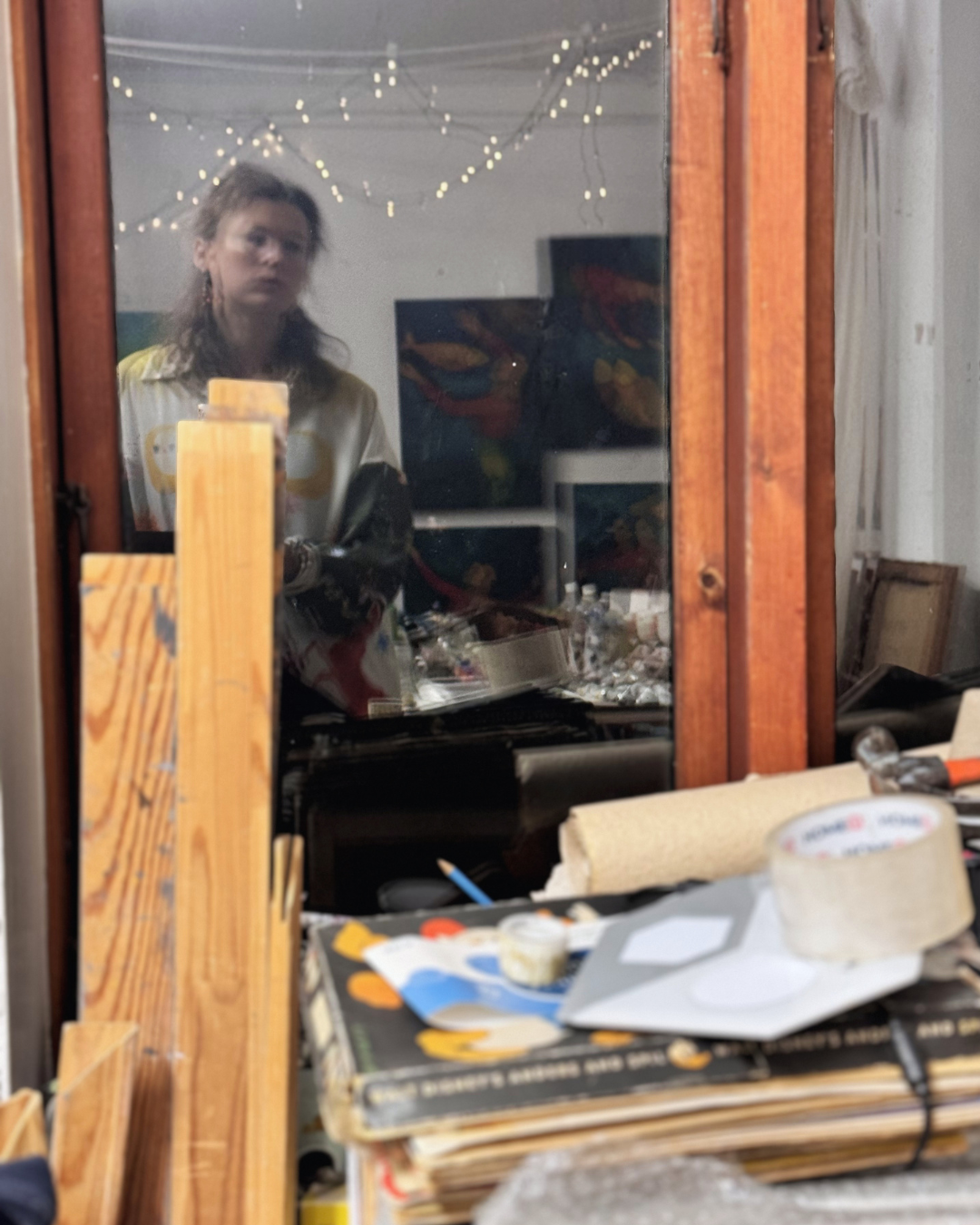
Anastasiia Lodde
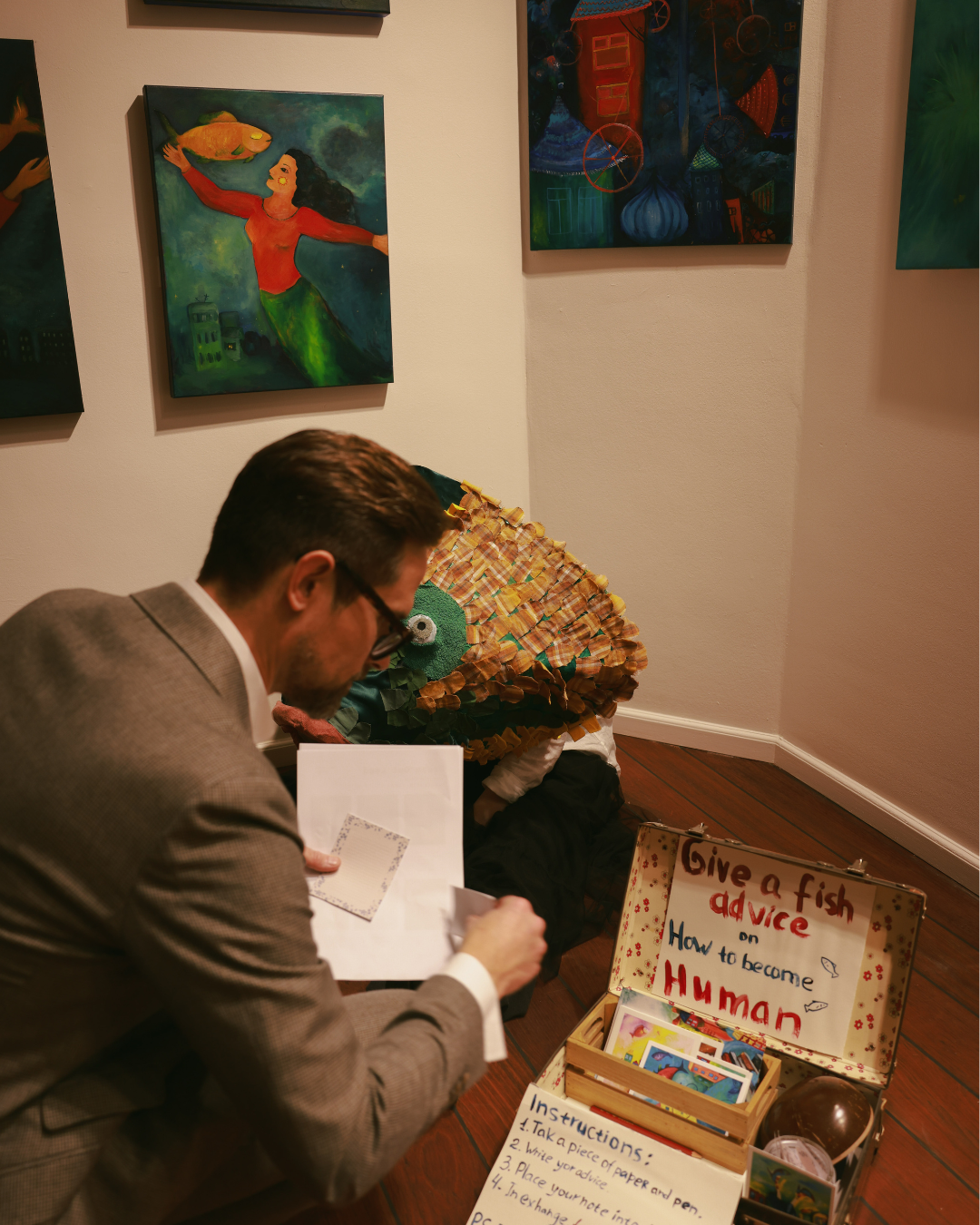
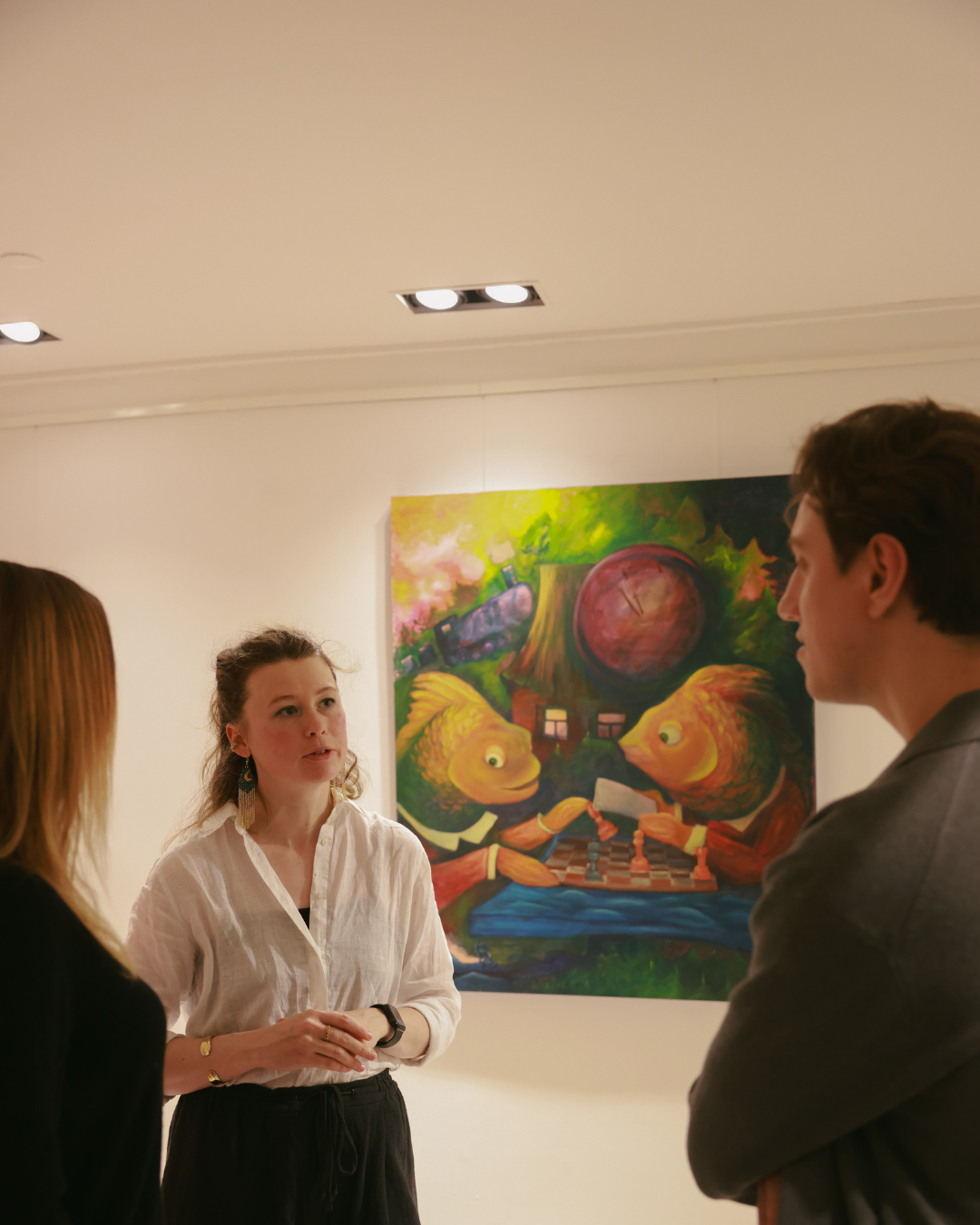
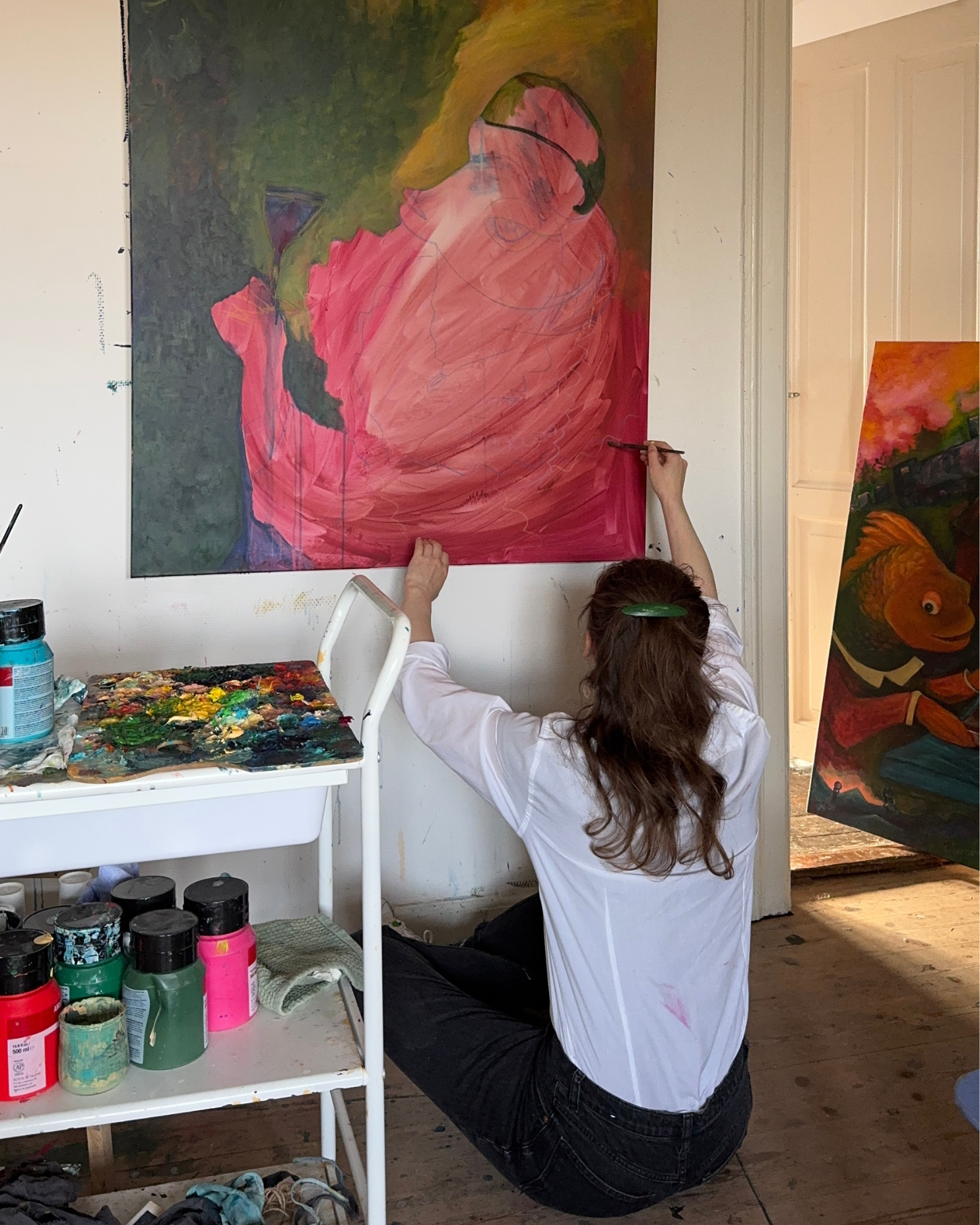
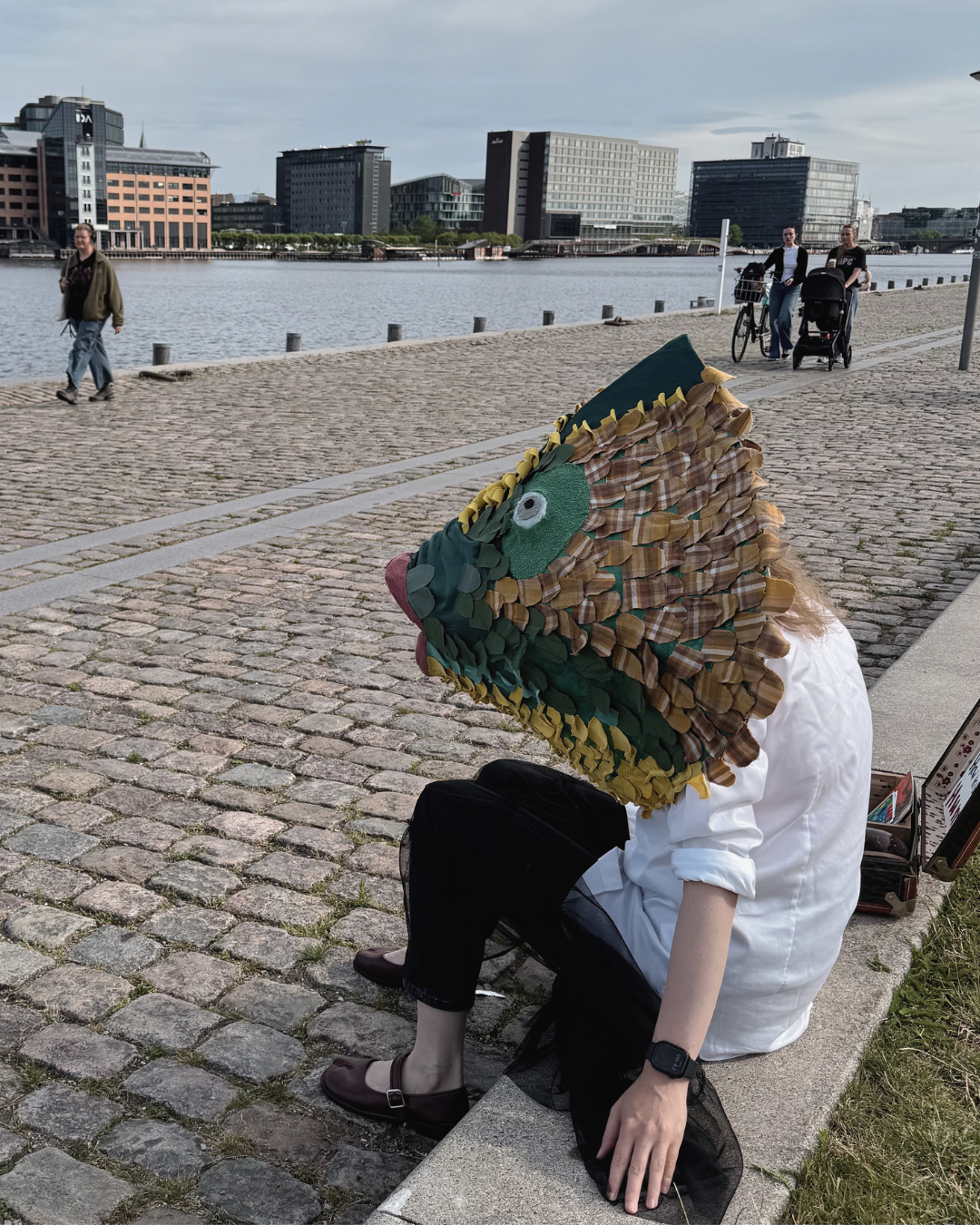
My name is Anastasiia Lodde. I am a visual artist with a background in science. I was born in a village in southern post-Soviet Russia, in a multicultural family, and I grew up with my grandmothers close to me. I turned to art after moving to Denmark. Migration, family archives, and the political reality around me slowly reshaped my path. In my work, I return to questions of migration, identity, and family history. I work with painting, performance, sculpture, and installation, and I often collect fragments of stories from other immigrants. Bright colour, light, fish, and everyday objects appear again and again, becoming part of my visual language.
Process
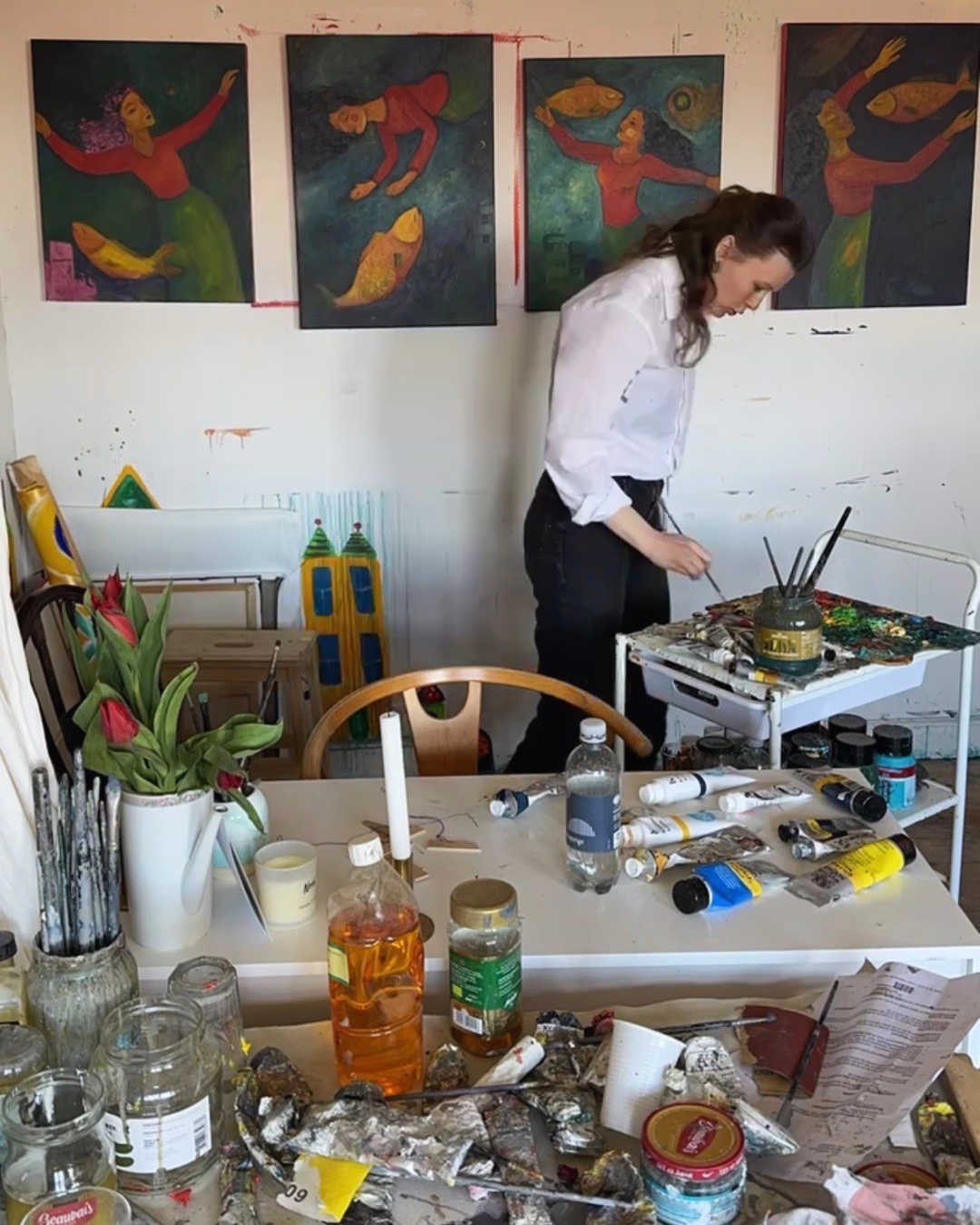
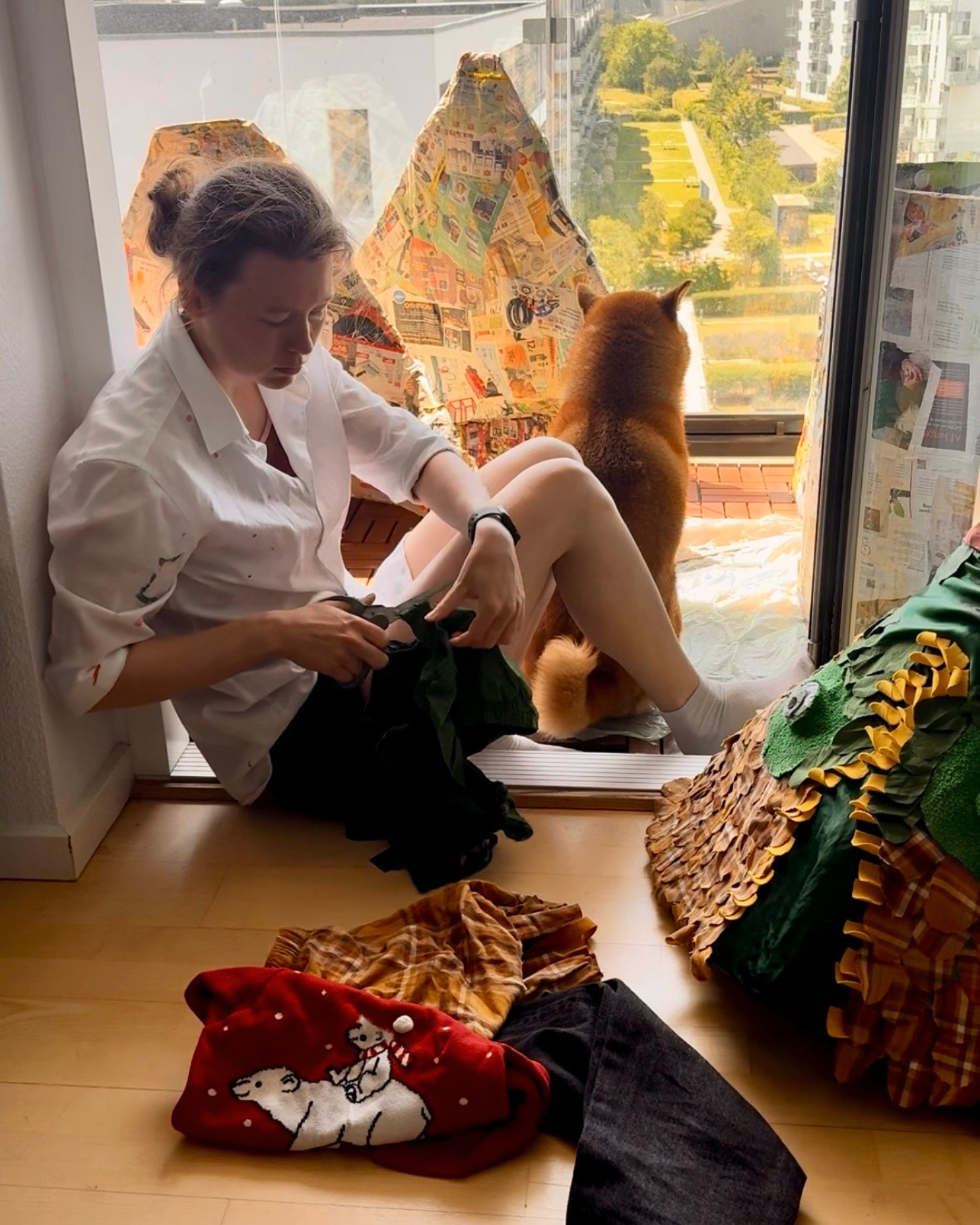
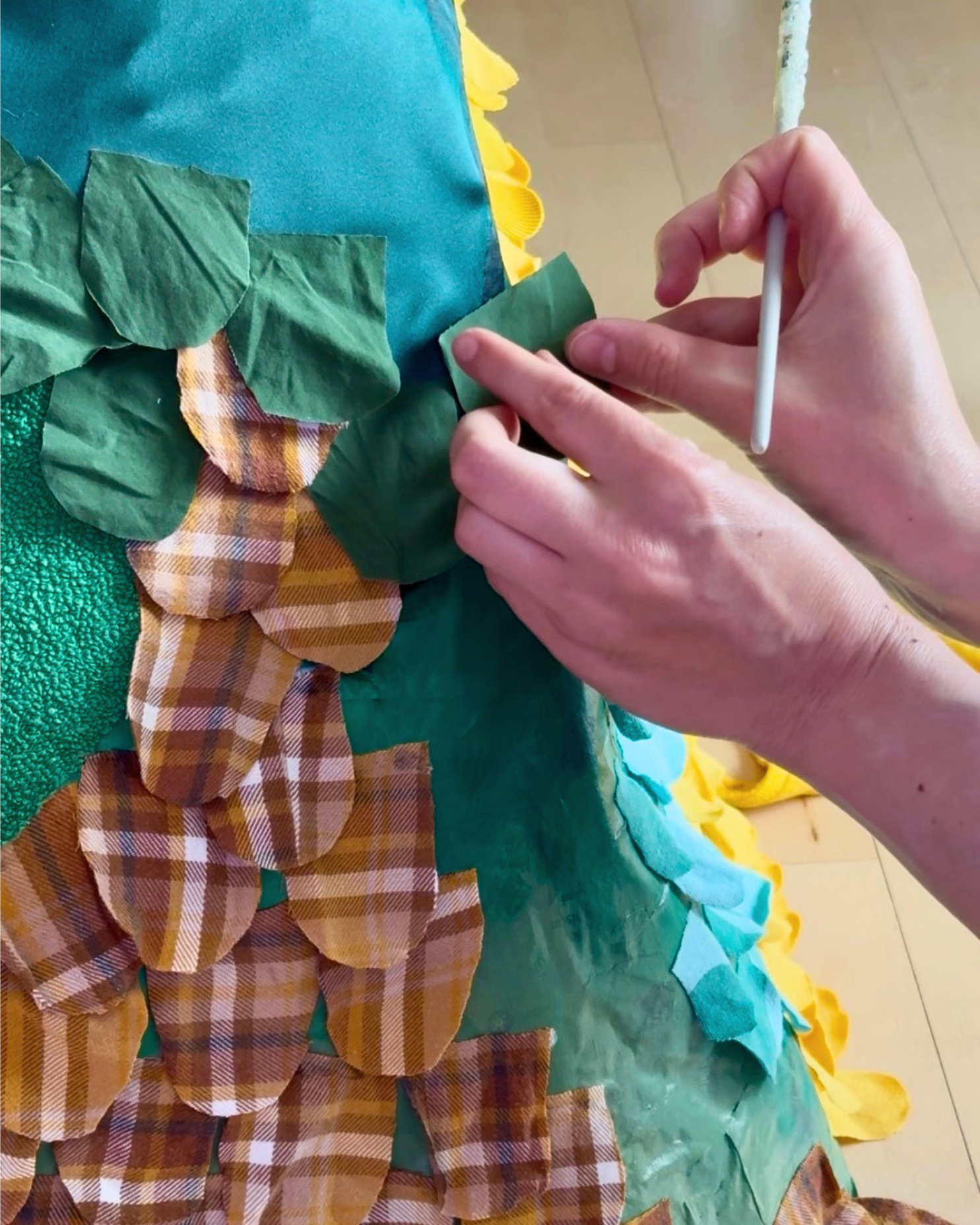
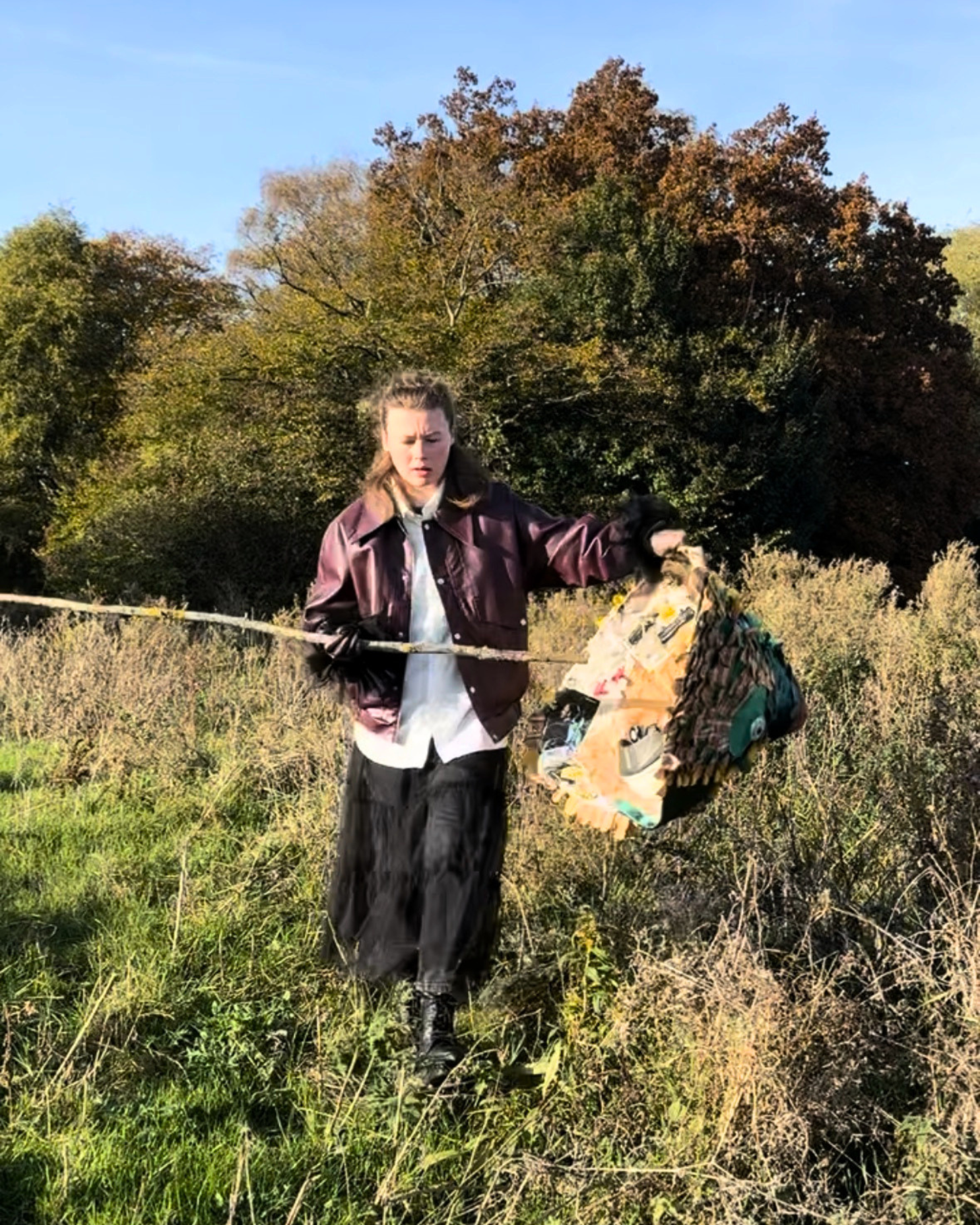
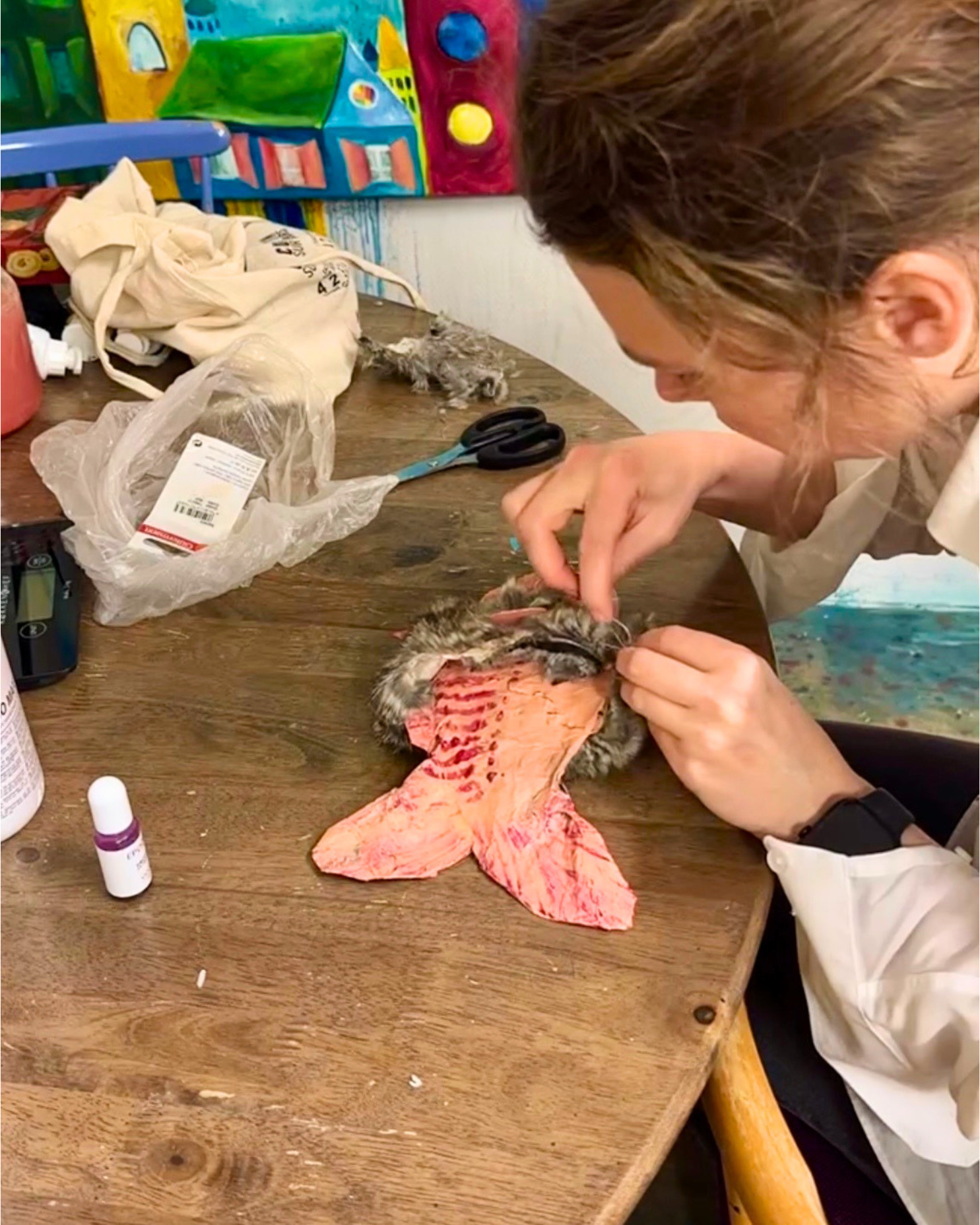
My process is built on observation. I pay attention to situations in everyday life, in conversations, and in what happens around me, and I carry them with me until they become a clear image. Once that image appears, I start thinking about materials. I do not choose them too early. I try to understand what can hold the idea physically. I make sketches, but often the materials seem to choose themselves in the process. This winter, for example, I wanted to make an object based on the traditional New Year dish “herring under a fur coat.” I had the image clearly, but could not figure out what could become the “coat.” Then, while cycling, I noticed a discarded fur glove in a pile of trash. It solved the problem immediately. I often work with found and discarded materials. Sometimes I pick them up in the street, sometimes people from my community give me things they no longer need. These objects already carry a history, and that history becomes part of the work.
Influences
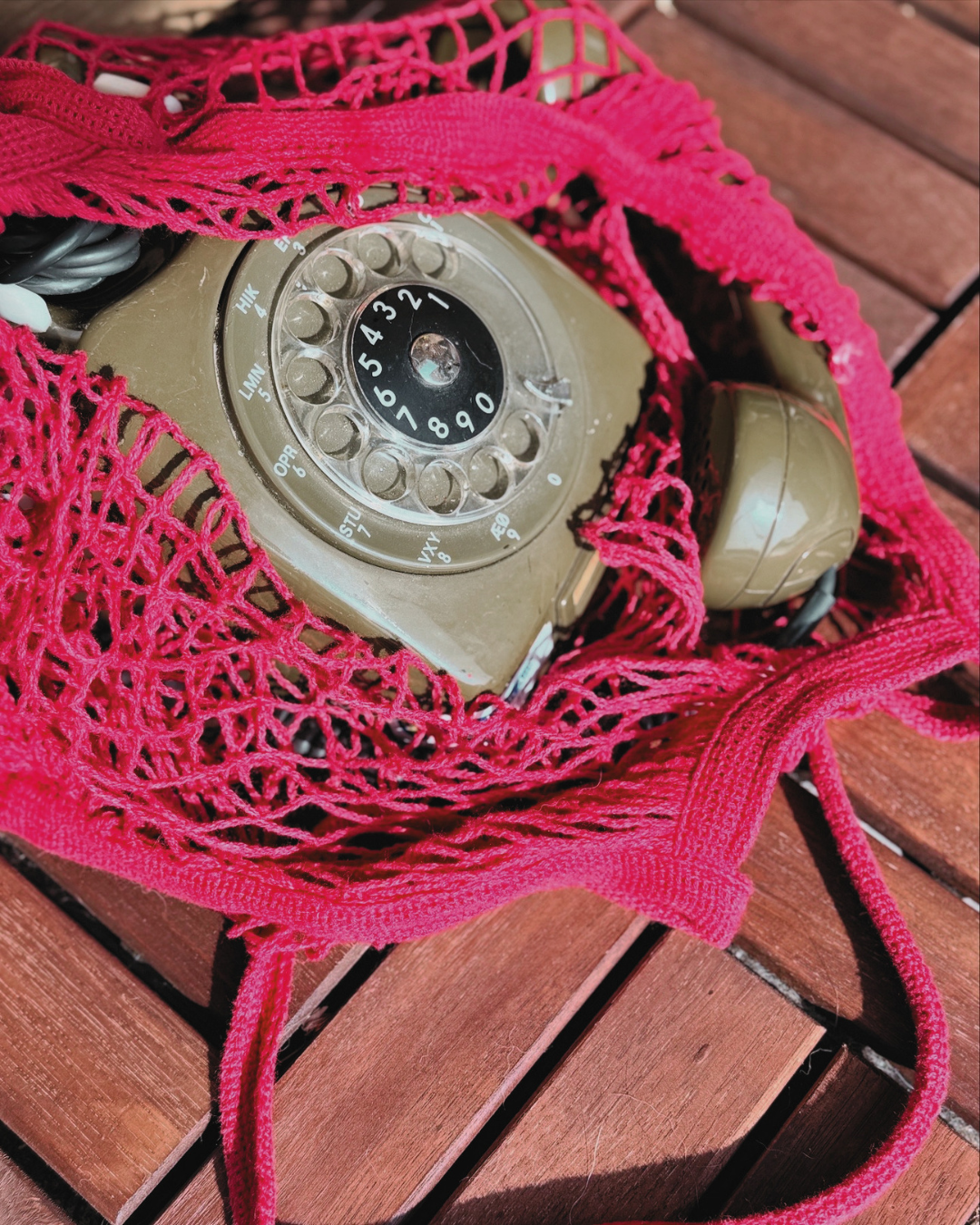
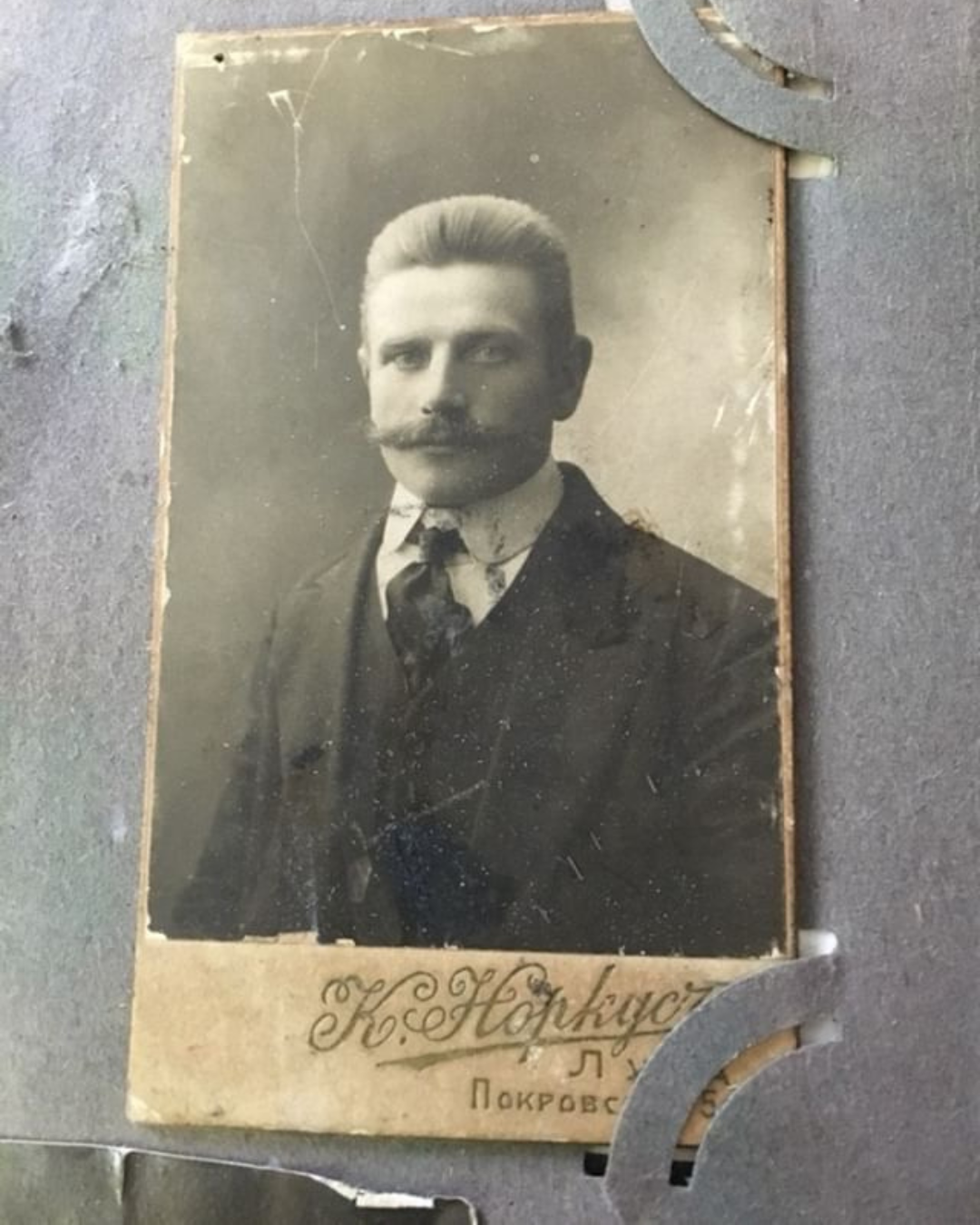
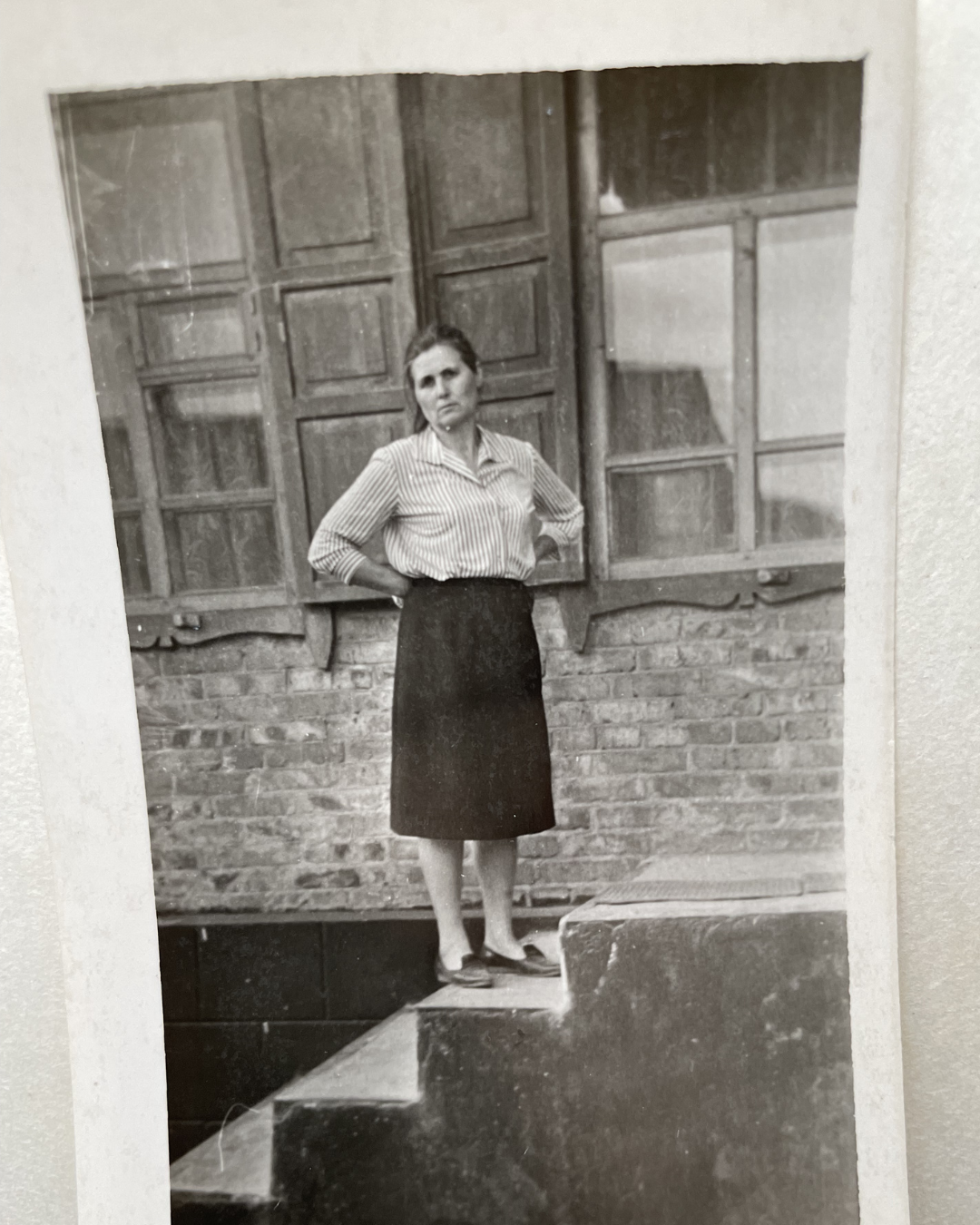
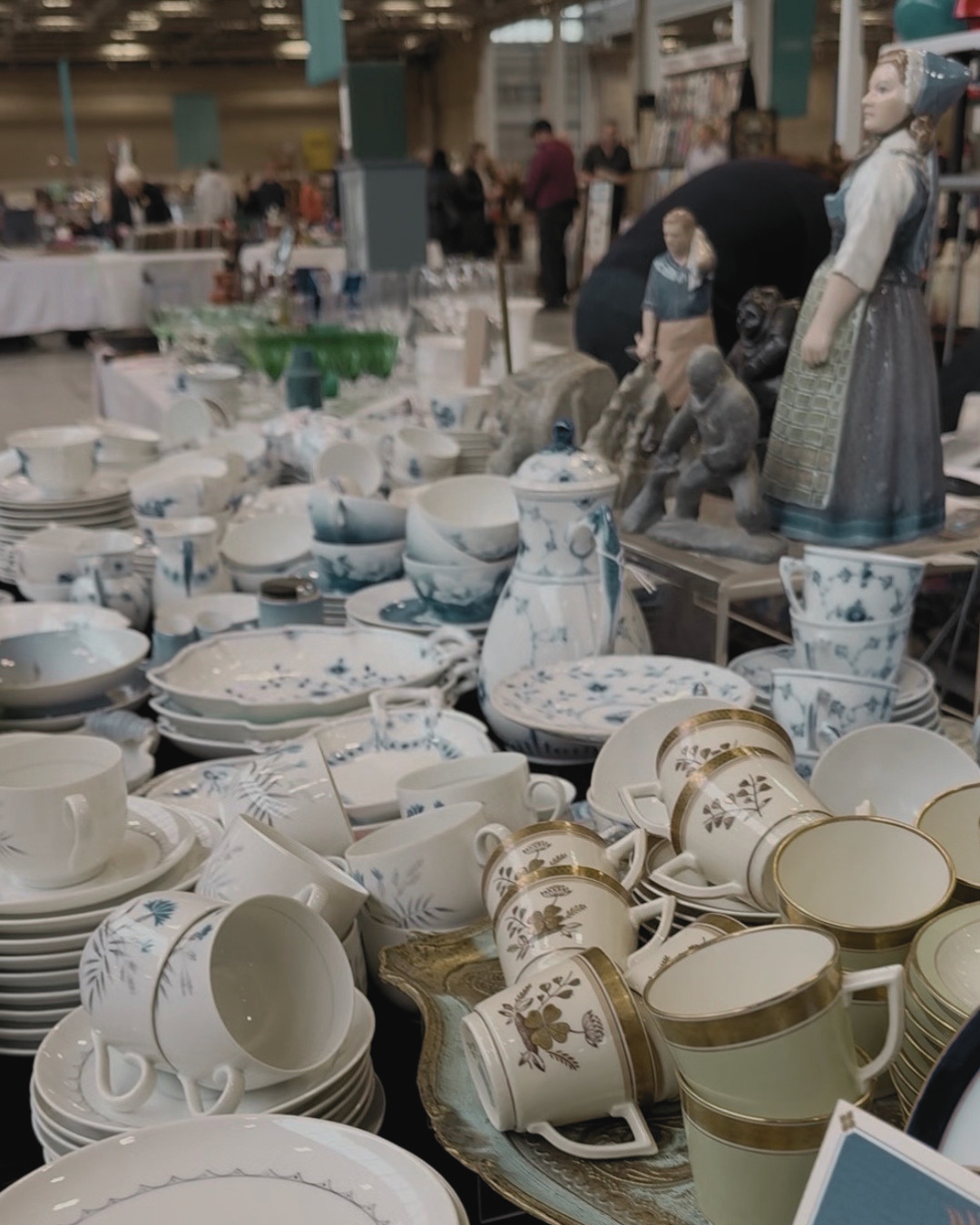
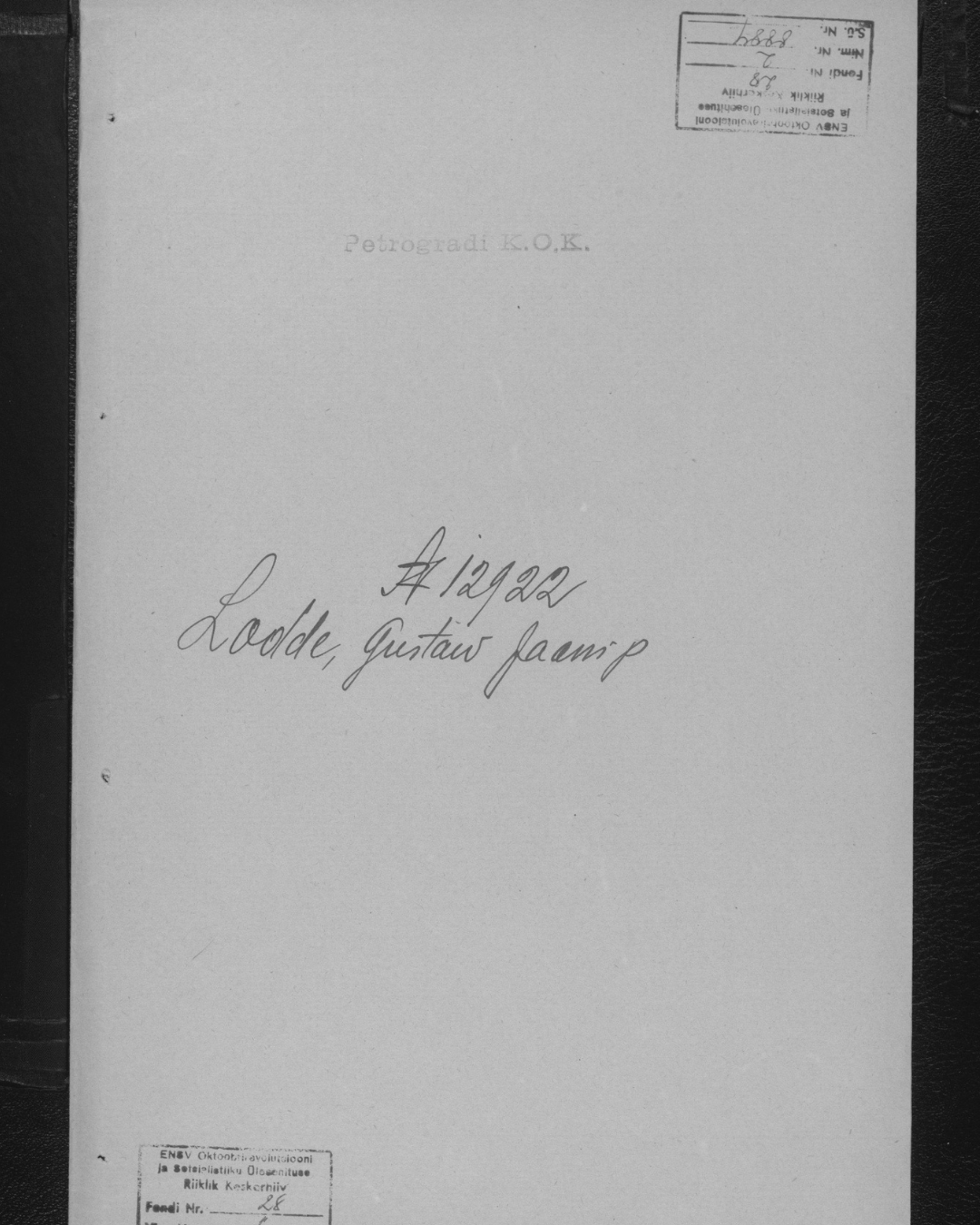
I am influenced by memory — both my own and the memories passed through my family and archives. This also shapes the way my work looks: the images often feel slightly soft or suspended, while the colors stay bright. The stories of my great-grandmother continue to shape the way I see the world. They were stories of survival in the early 20th century, never written down, only passed from one generation to the next. I am also drawn to the visual language of the early 20th century, especially the 1910s and 1920s. What stayed with me most was the way these stories were told: even difficult memories carried warmth and light. This gave me a deep sense of empathy and attention to human experience, which still shapes my work today. I am also drawn to objects that carry traces of past lives. Flea markets are part of this process. I often look at everyday things, especially dishes, imagining how they were used and what kind of life unfolded around them. These objects later enter my work, helping me connect different moments in time.
Challenges
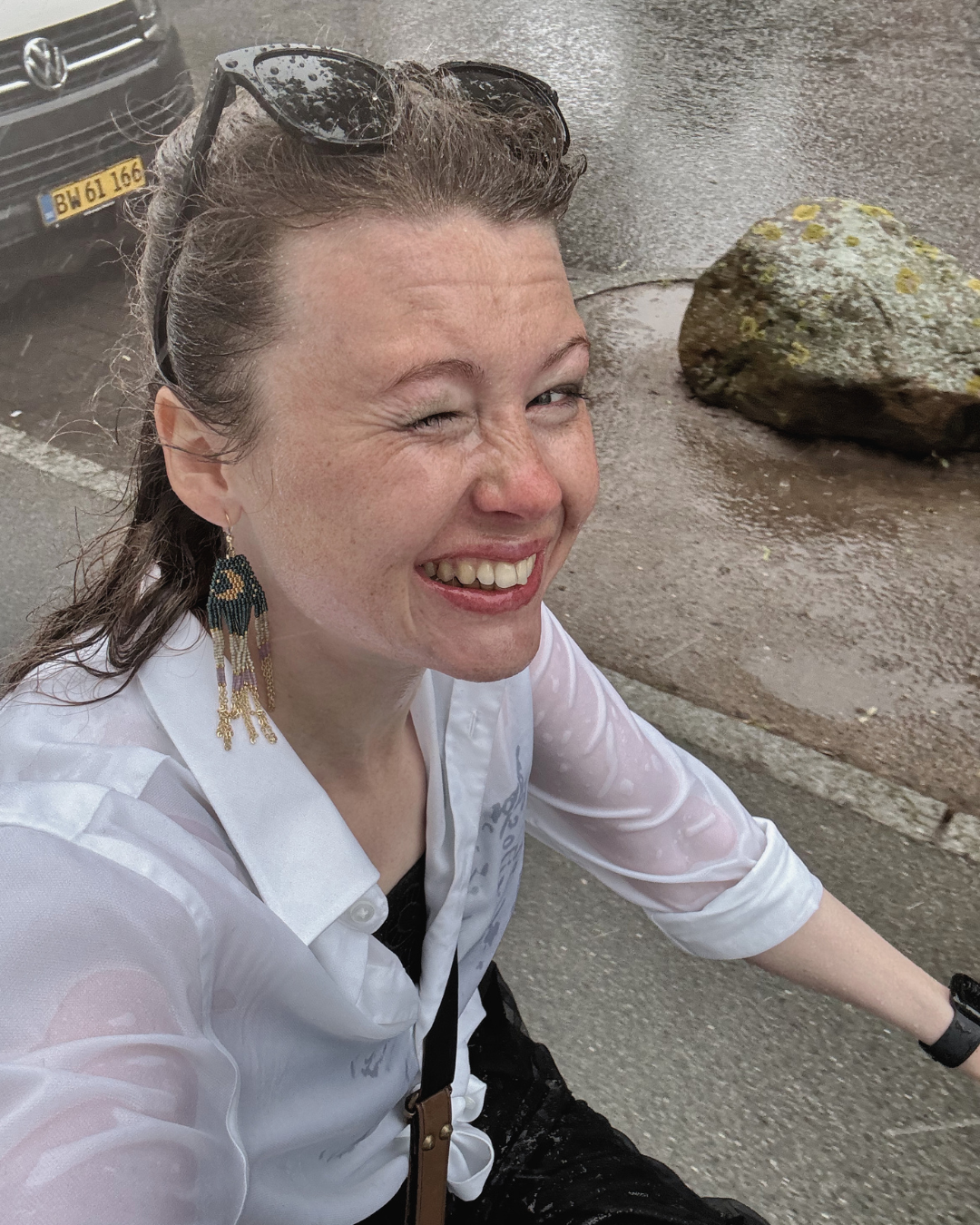
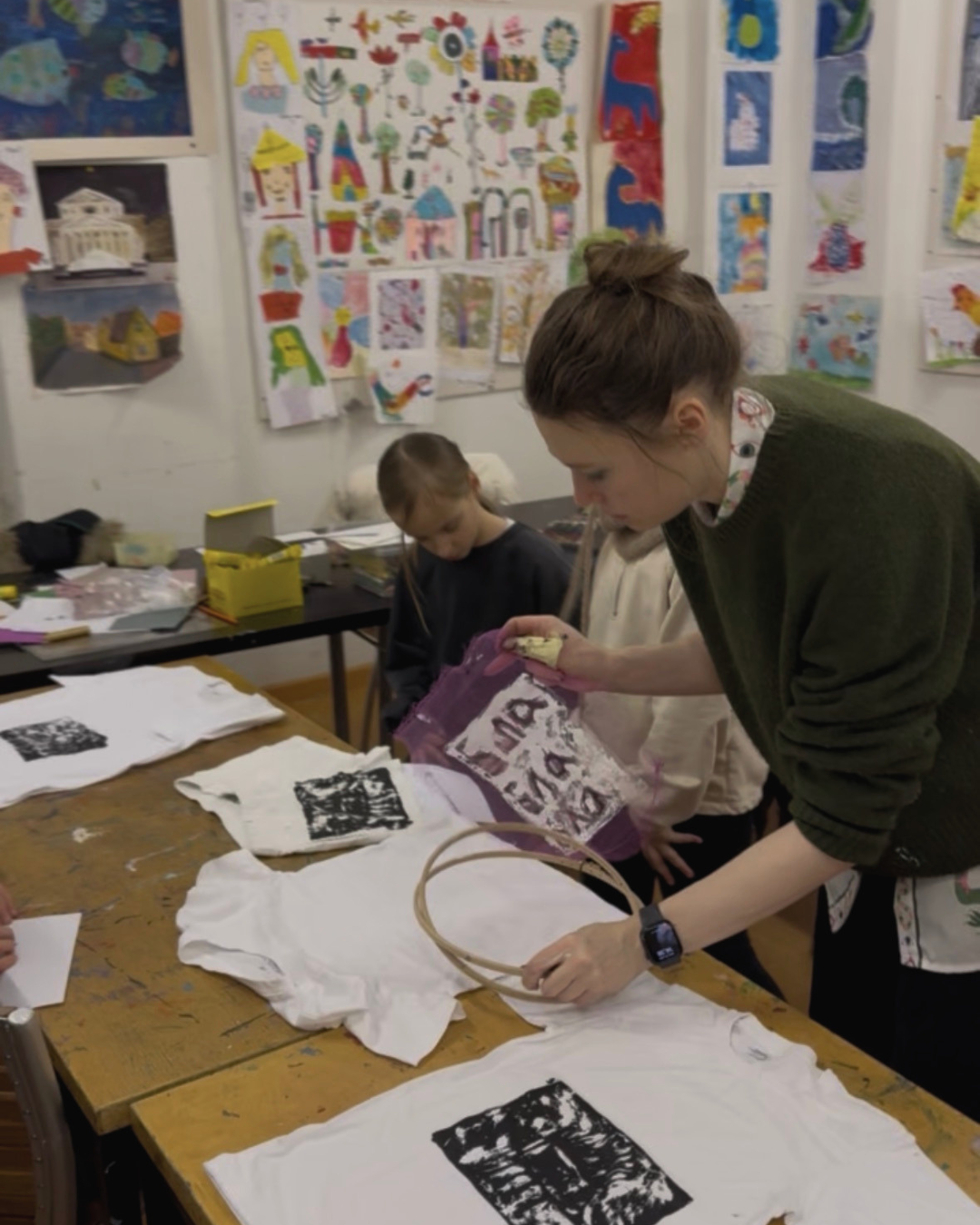
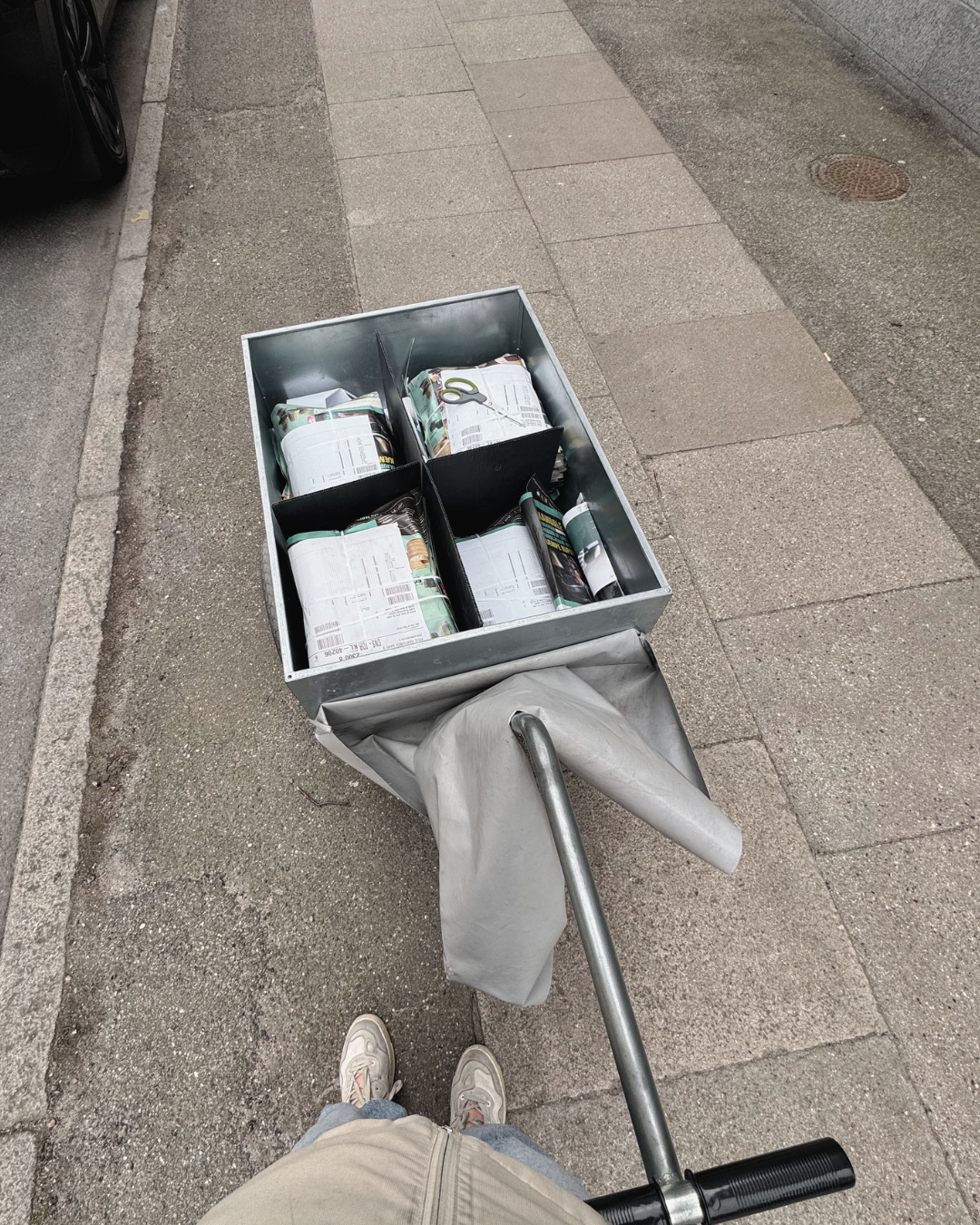
One of the main challenges in my practice is continuing to work through emotional and practical instability. Moving to another country changed many things at once. Distance from family, adapting to a new environment, and building a life from the beginning all shape the way I work. There are also periods of doubt and cultural differences. Sometimes it can feel as if the work is not fully understood or not needed. I do not try to avoid these moments. I move through them and keep working. Financial stability is another important challenge. For me, art is not a hobby, it is my profession. During the week I work as an artist full-time, and on weekends I teach and lead workshops to support myself. There was also a period when I delivered newspapers and magazines a few hours a week to pay for my studio rent and materials. During that time, newspapers entered my work. I started using them in installations, and this became an important turning point in my practice. Being an immigrant adds another layer to all of this. It means fewer safety nets and constant adjustment. What helps me most is to stay in motion. Even small actions keep me connected to the work, and this experience keeps bringing new questions and new themes into my practice.
Reflection
Questions of migration feel especially urgent to me today.The world is unstable, and many people are trying to rebuild life in unfamiliar conditions. I think a lot about what it means to begin again. To lose a sense of ground and then slowly create it once more. This feels very close to me. Through my own experience, I understand that my work holds more than my personal story. It also carries the experiences of people around me — friends, acquaintances, and others who live through similar things. I often return to the thought that people need connection. Very often it grows through something familiar: an object, a daily habit, a remembered detail from home. In my work, I want to create archives of these experiences and also make space for connection, recognition, and belonging.