Shirly Han
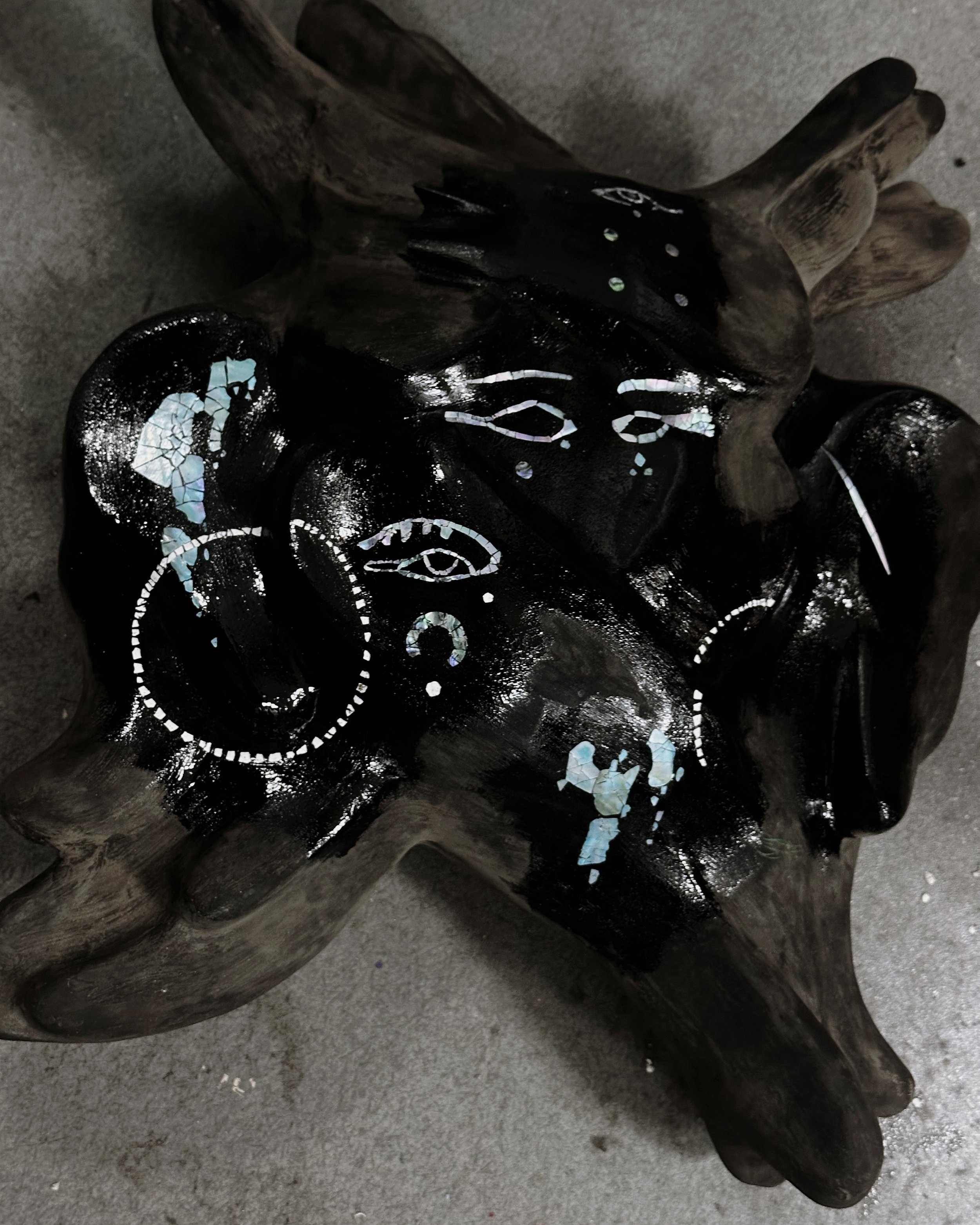
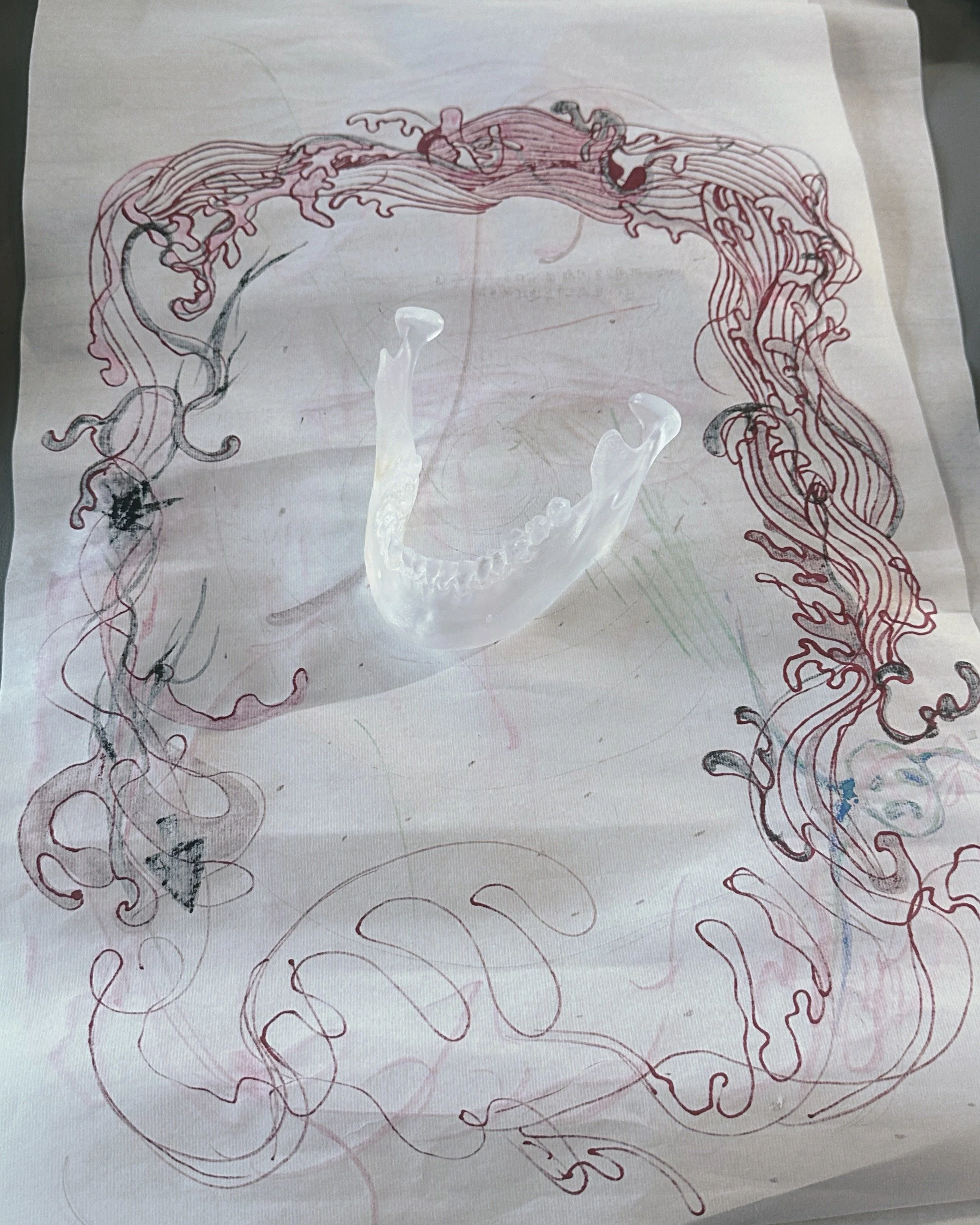
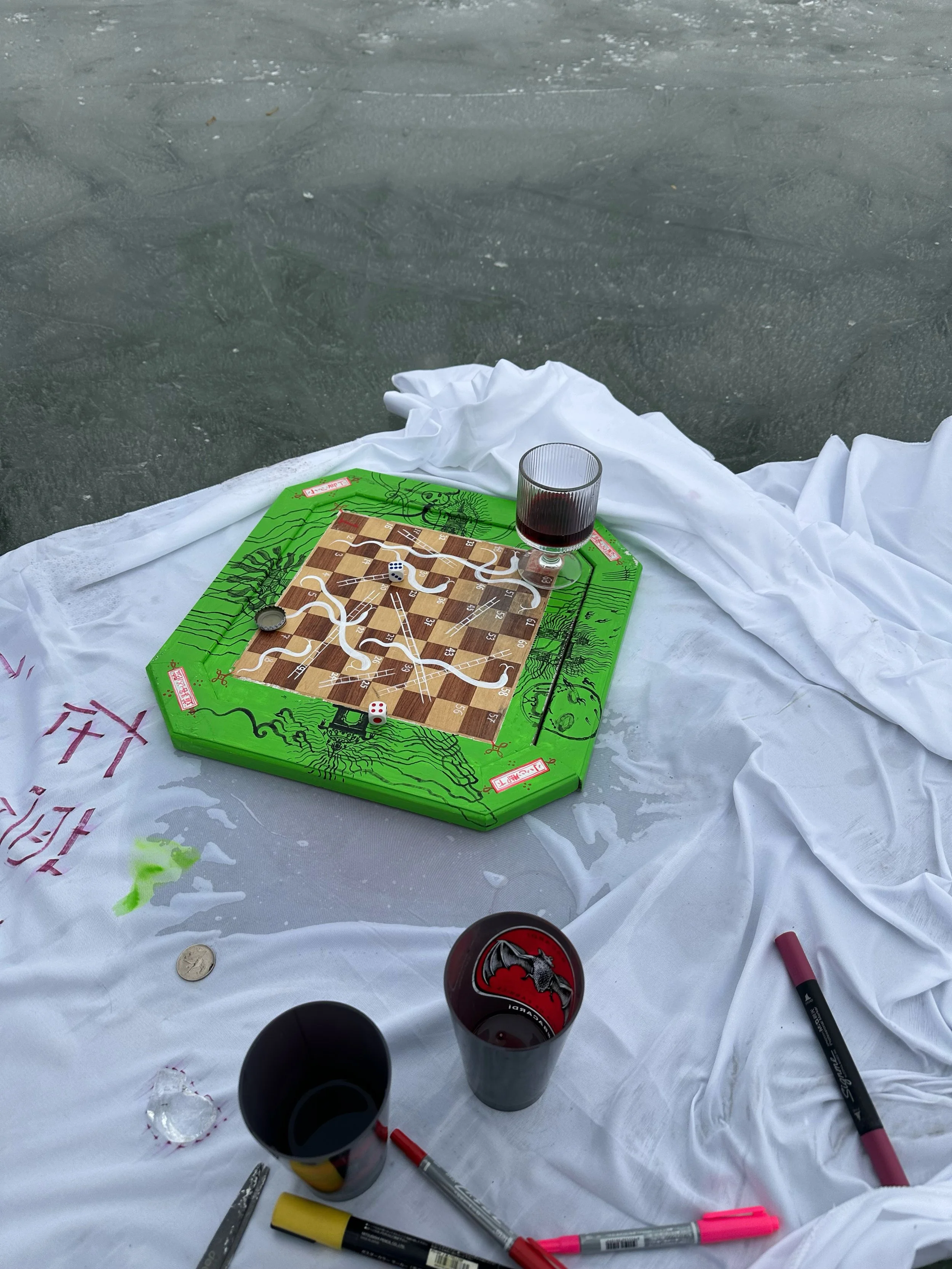
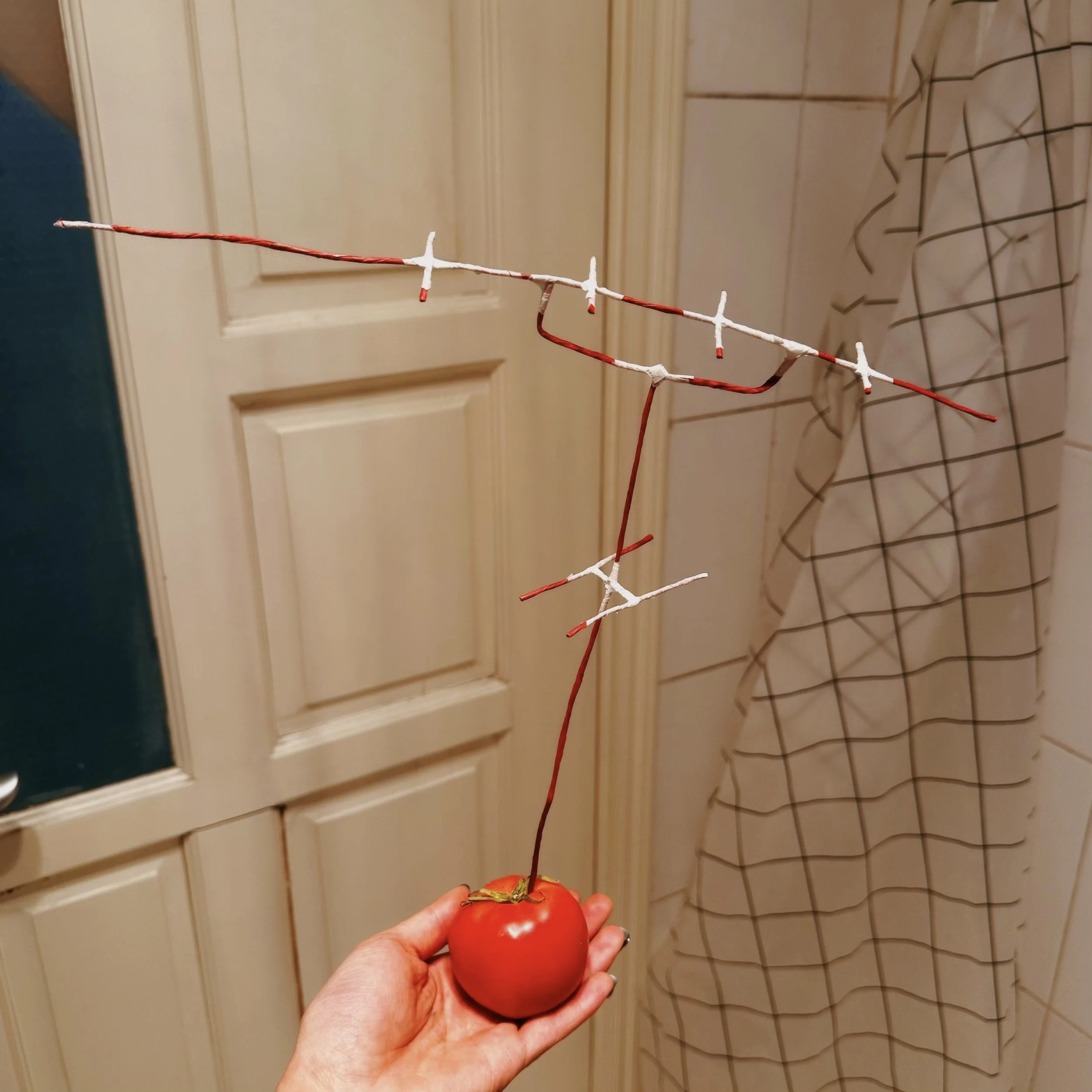
Shirly’s practice over the past few years has been marked by relentless exploration, a process through which she continually expands her possibilities of expression. Considering the past and the future, her work is rooted in artistic research that takes oral stories, urban myths, rumours and peculiar daily rituals as starting points. Focusing on the possibilities of narratives embedded in everyday experience and matter. She examines how we form emotional bonds with soundscapes, spatial dynamics, social interactions, and subcultural expressions, and what becomes of them over time. Through sculpture, video, sound, and site-specific interventions, disorientation has emerged as a method in her practice. Disorientation can create absurdities, and a unique blurry tension between humour and repulsion, allowing playfulness to be serious and seriousness to be playful. In this blurriness, the possibilities of the night can appear in the middle of the day. The relentless task is to become blurry; to form constellations from the separate and disparate, and to make sense of their newly found togetherness.
Process
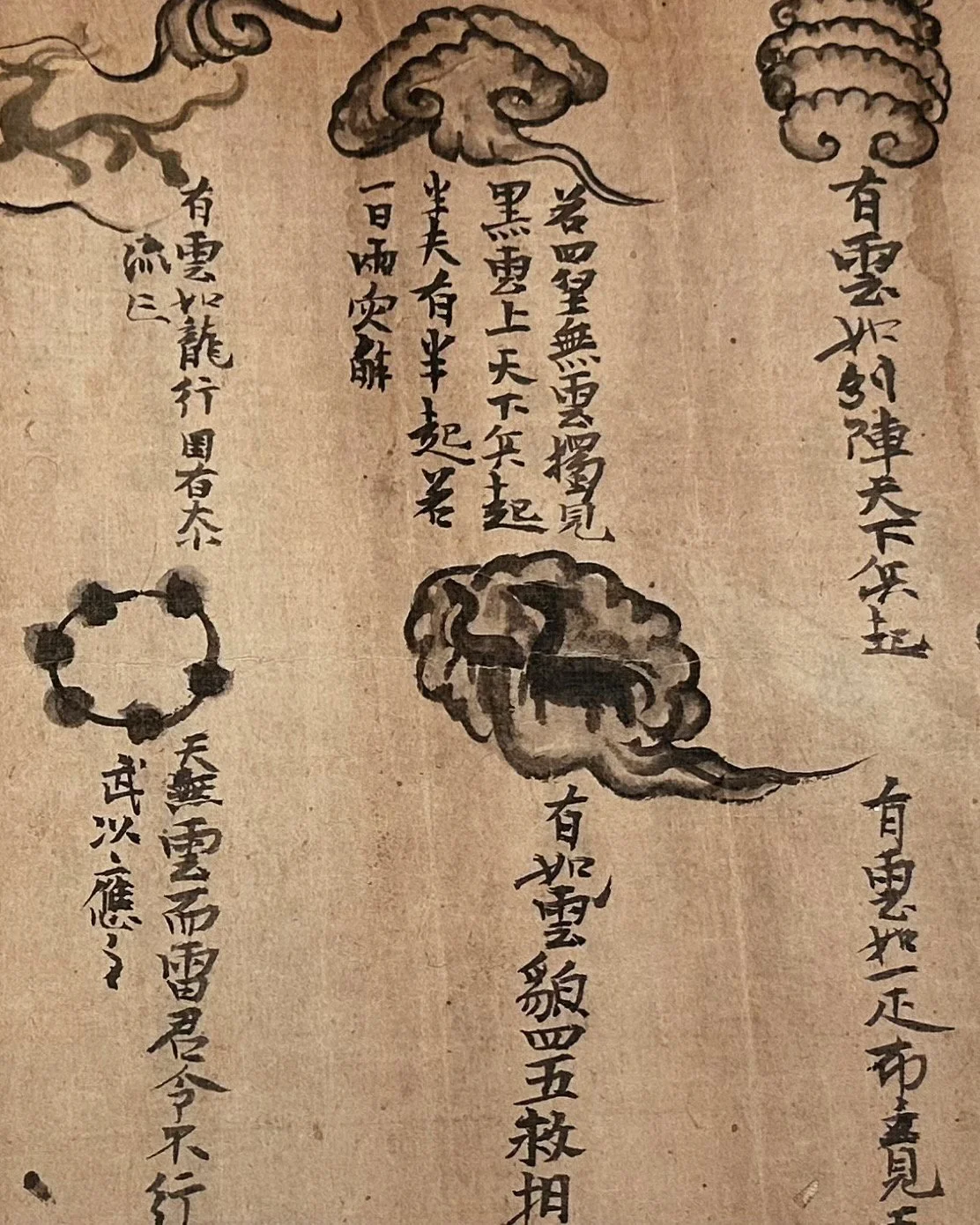
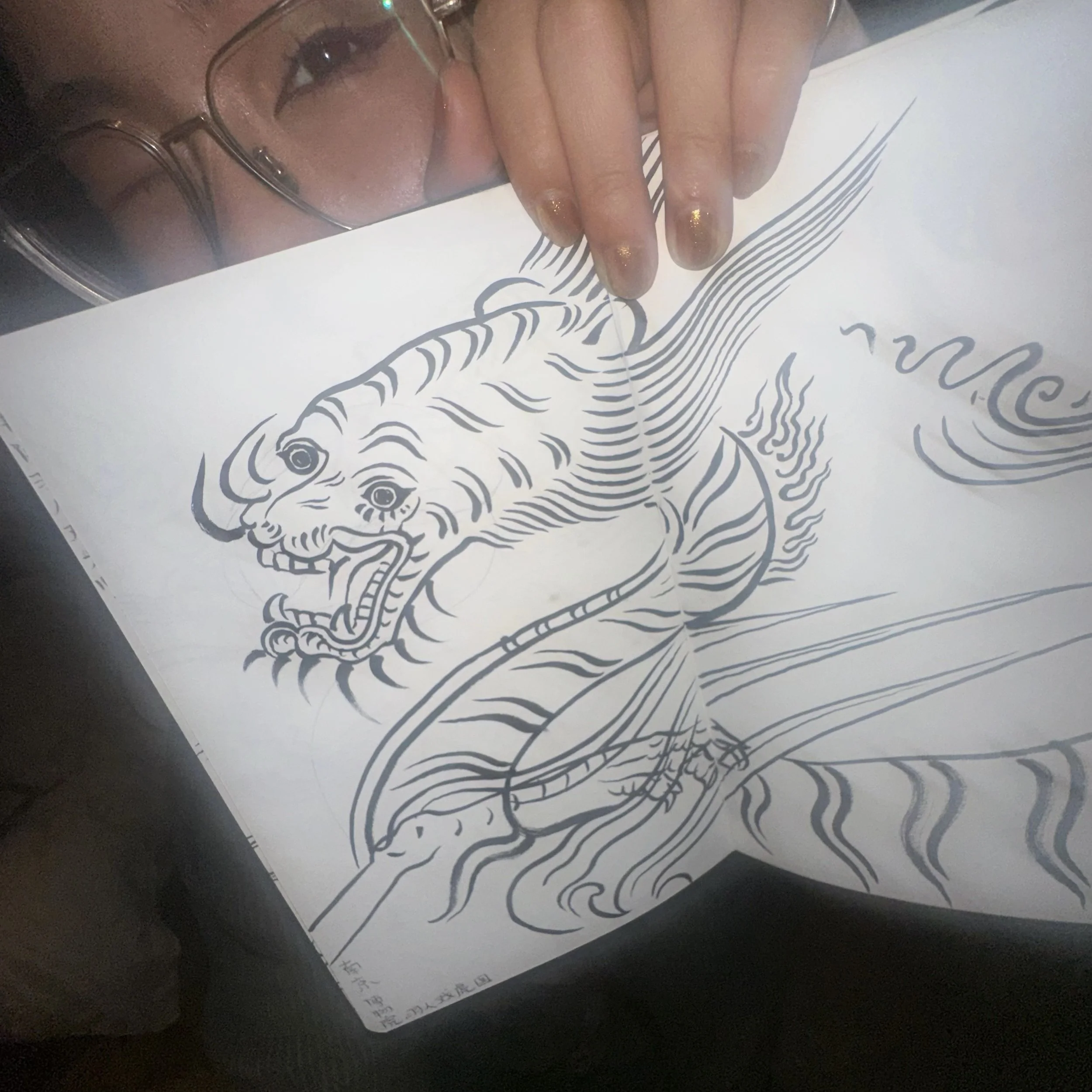
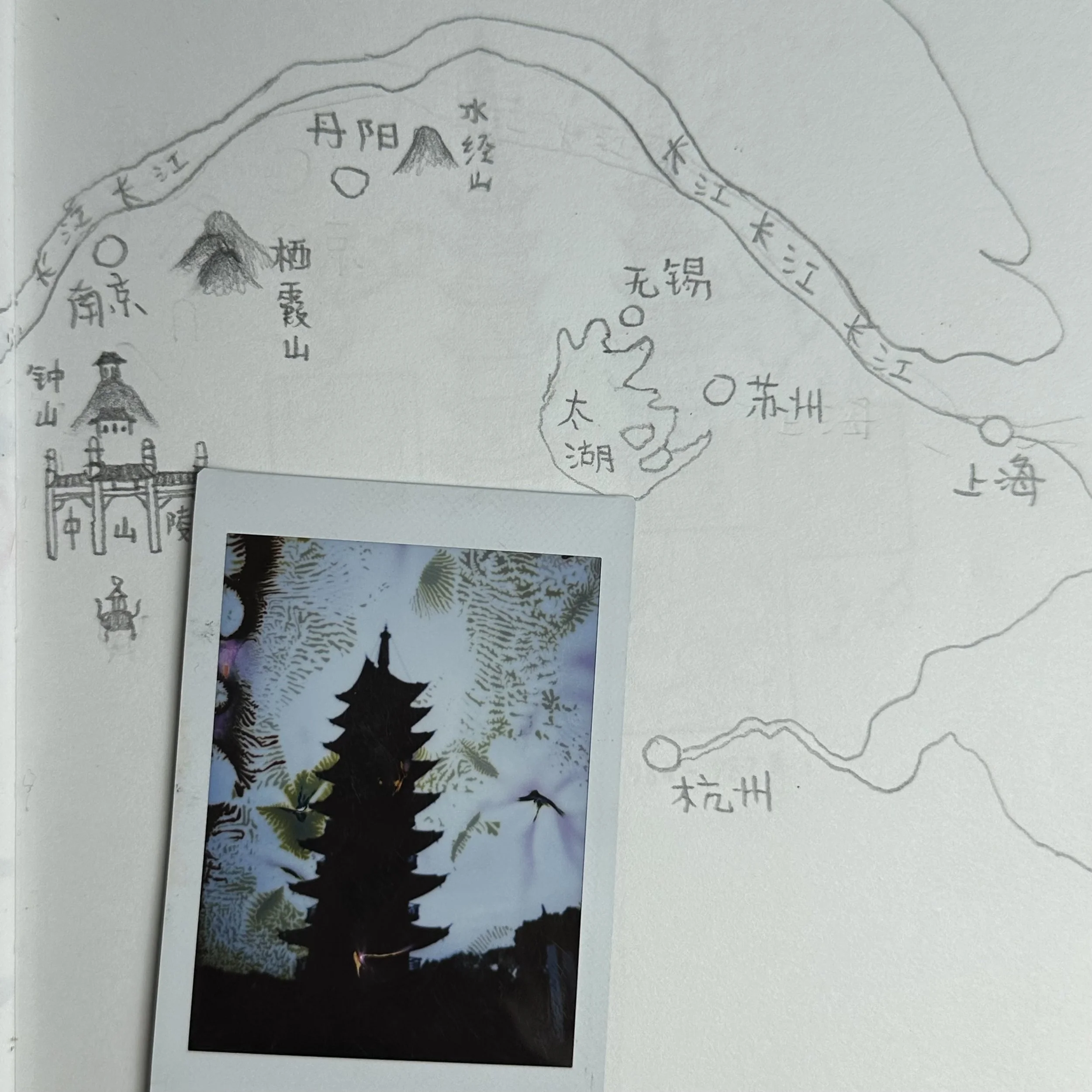
I always start my work with mapping. As philosopher Vilém Flusser notes, imagination means “drawing maps and reading them.” This mapping is a fluid process that navigates between memories, soundscapes, imaginations, and cultural narratives, in order to form an orientation to the world. Seeking ways to materialise, and render visible, the power structures unseen and abstracted from view; exploring the ways that such systems inscribe into our lives.
Influences
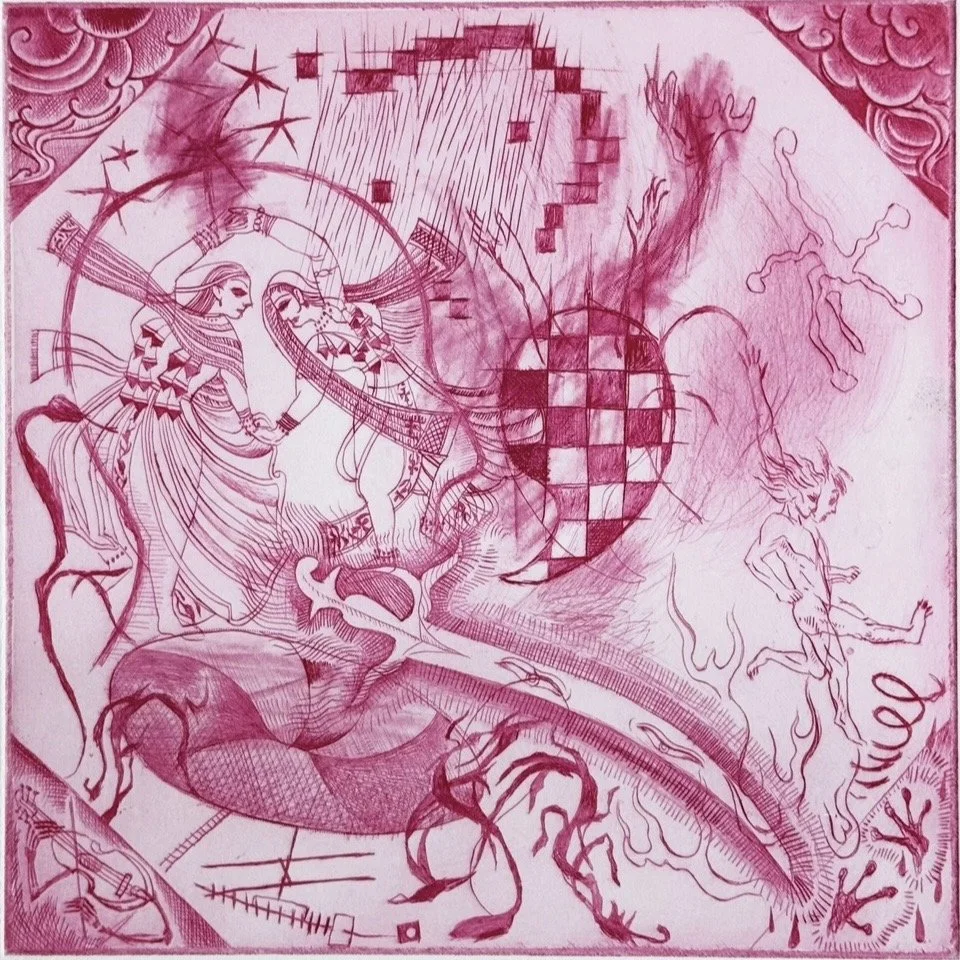
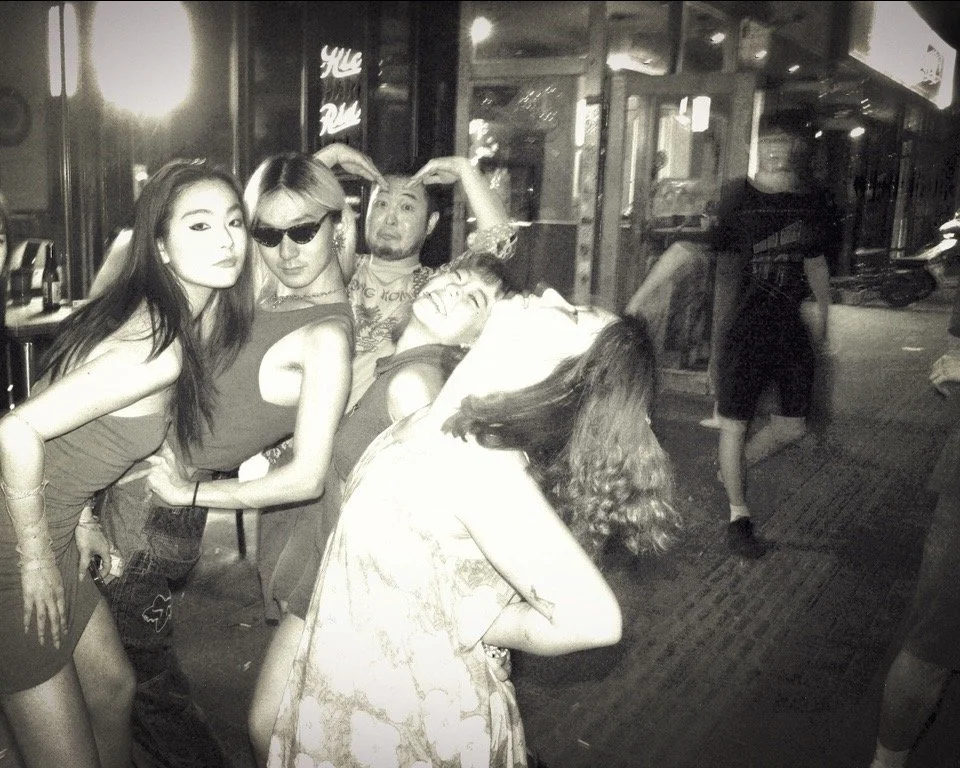
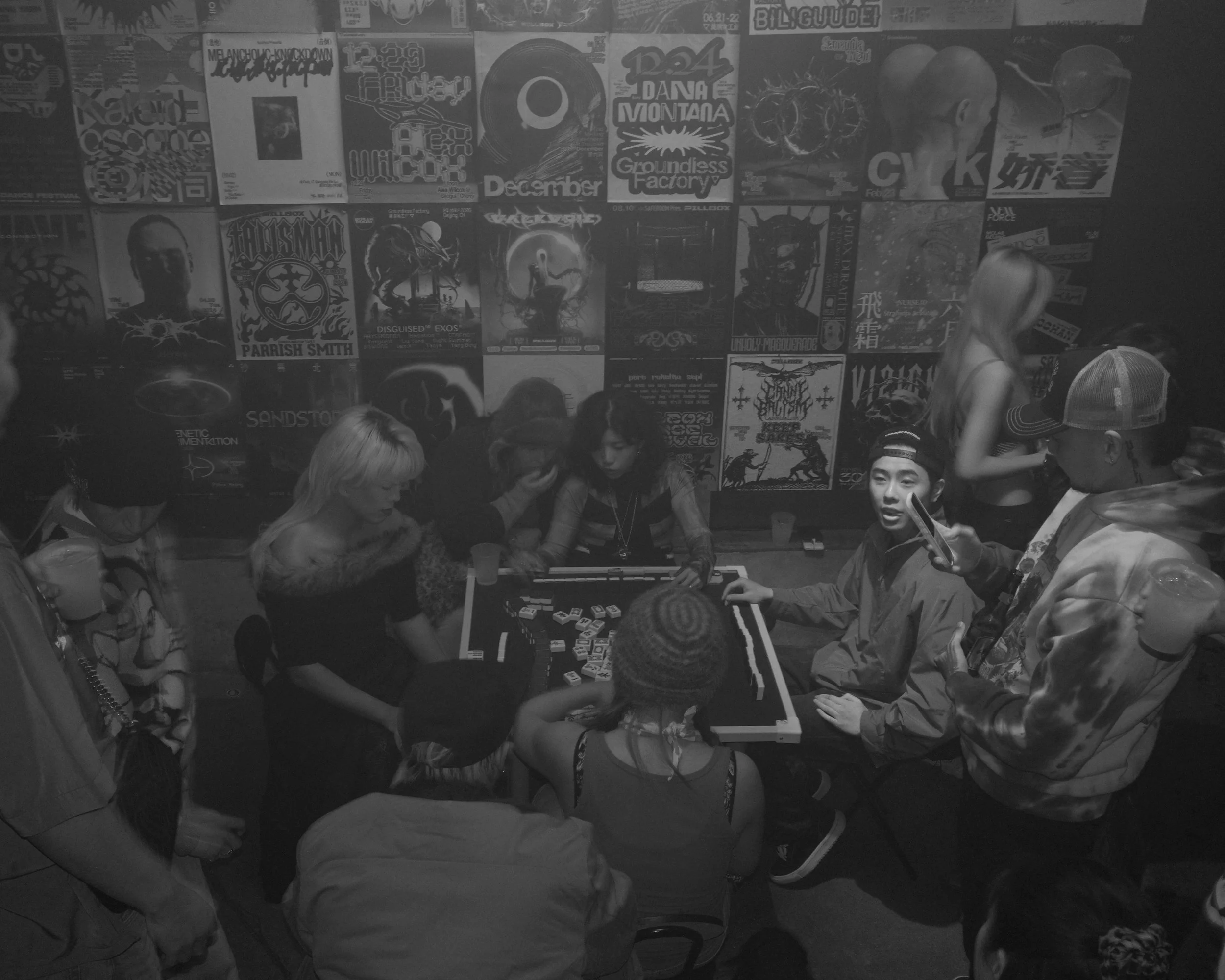
Some works are influenced by listening experiences and subcultural expressions from club life (especially EASA scenes). Drawing inspiration from visual expressions of sound structure, soundscapes and their environments, forming a more open perception. In raving scenes you need to be seen but you also need to be willing to lose yourself. Through these practices there are a lot of hidden stories of myself and the people around me, their memories, their ways of living, and the things they leave unfinished. Presenting fragments of this lived-in history through storytelling and world-building.
Challenges
years ago I read about Pauline Oliveros’s 'deep listening' —an openness to experiences and an awareness of a wider world beyond limited lenses, forming these shifts between different perspectives, landscapes and the spaces we are living in, as an act of Resistance.
Reflection
Recently I’ve been thinking about the impact of bodily presence, and how thoughts, movements, and energy shift throughout the process of making works. We are a river of breath and blood; the body becomes thought, thought becomes movement. Now I’m working on a series of new works that bring together different ways of seeing, merging histories and contemporary realities, examining and questioning where our knowledge comes from.