Skylar He
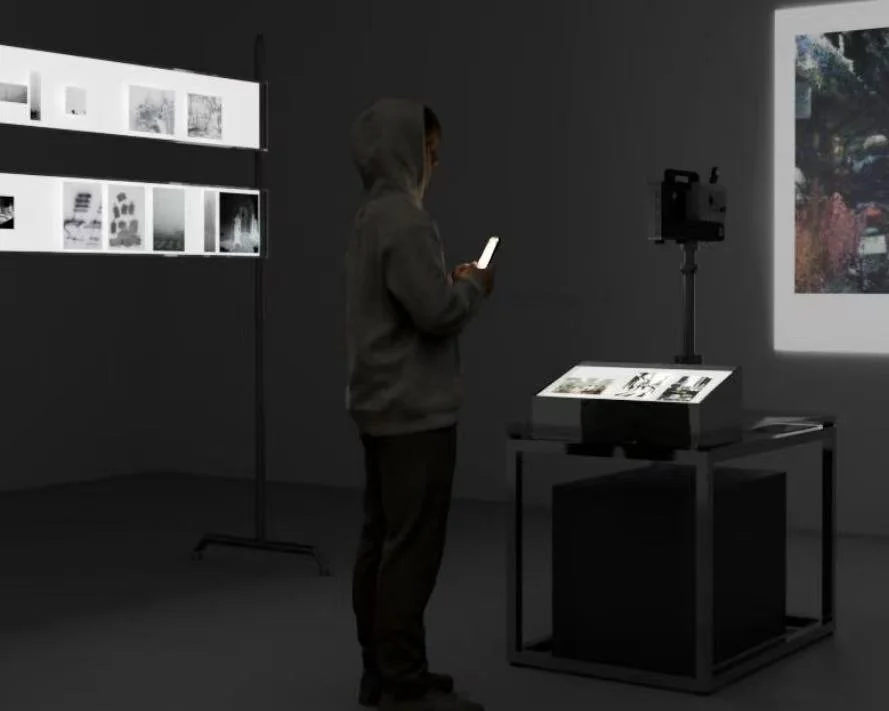
Skylar (Jianheng) He, a cross media designer, technical artist, and a core member of Wrench2Studio. My practice operates at the intersection of interactive media, generative AI, and the digital preservation of cultural heritage. With a background spanning Engineering and Design for Performance and Interaction, I focus on translating ephemeral data into immersive spatial experiences. Whether I am developing real time visual algorithms in Unity VFX, experimenting with robotic fabrication, or utilizing machine learning to reconstruct human perception, my goal remains to explore the agency of digital technologies in shaping how we remember and interact with our world. My professional trajectory includes serving as a Research Assistant at Aalto University and collaborating with institutions such as the V&A Museum and YAMAHA. My work, which ranges from large scale immersive installations at Outernet London to AI driven visual designs for FOLD Nightclub, seeks to solidify the intangible, creating enduring traces of human experience through the synergy of technology and matter.
Process
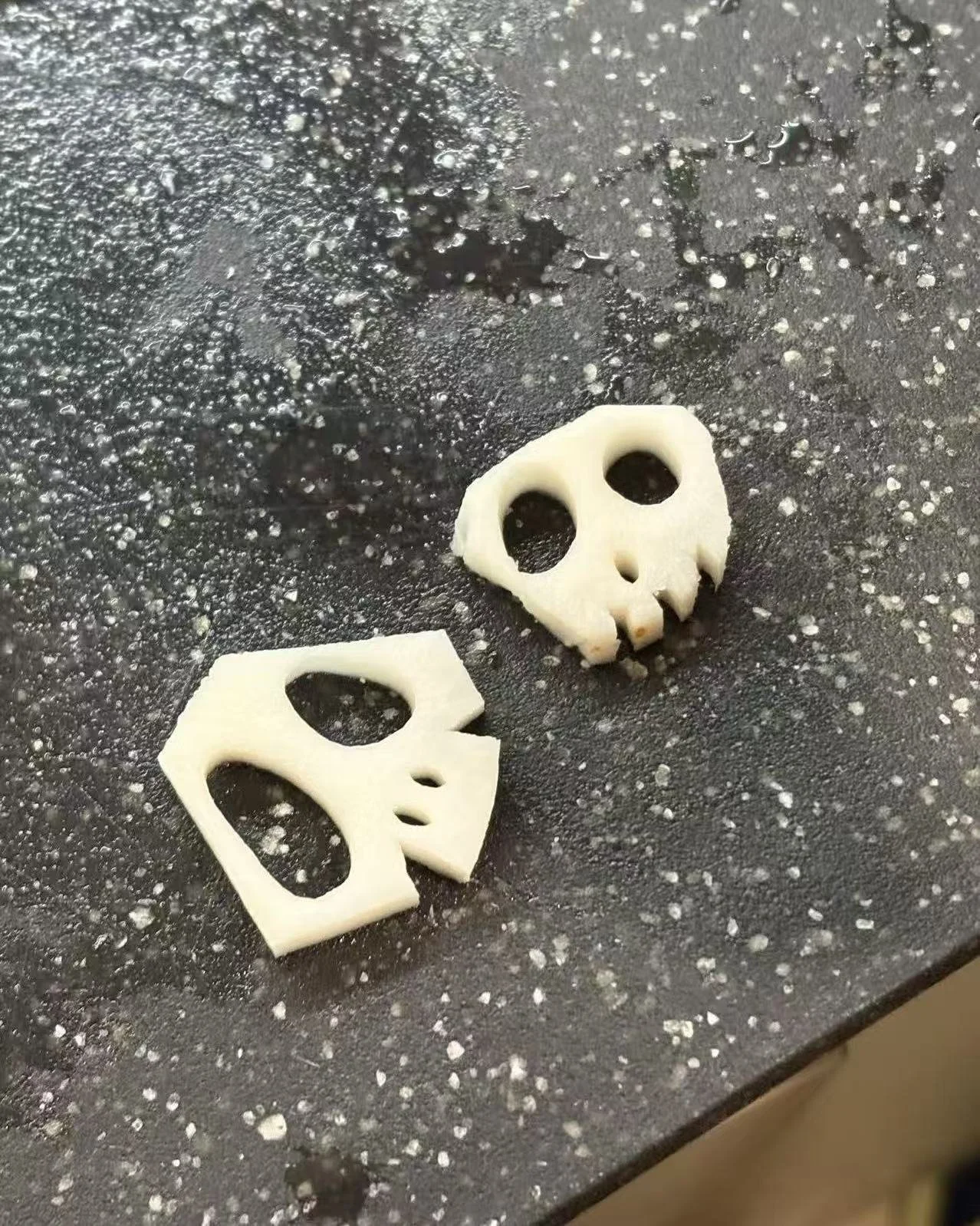
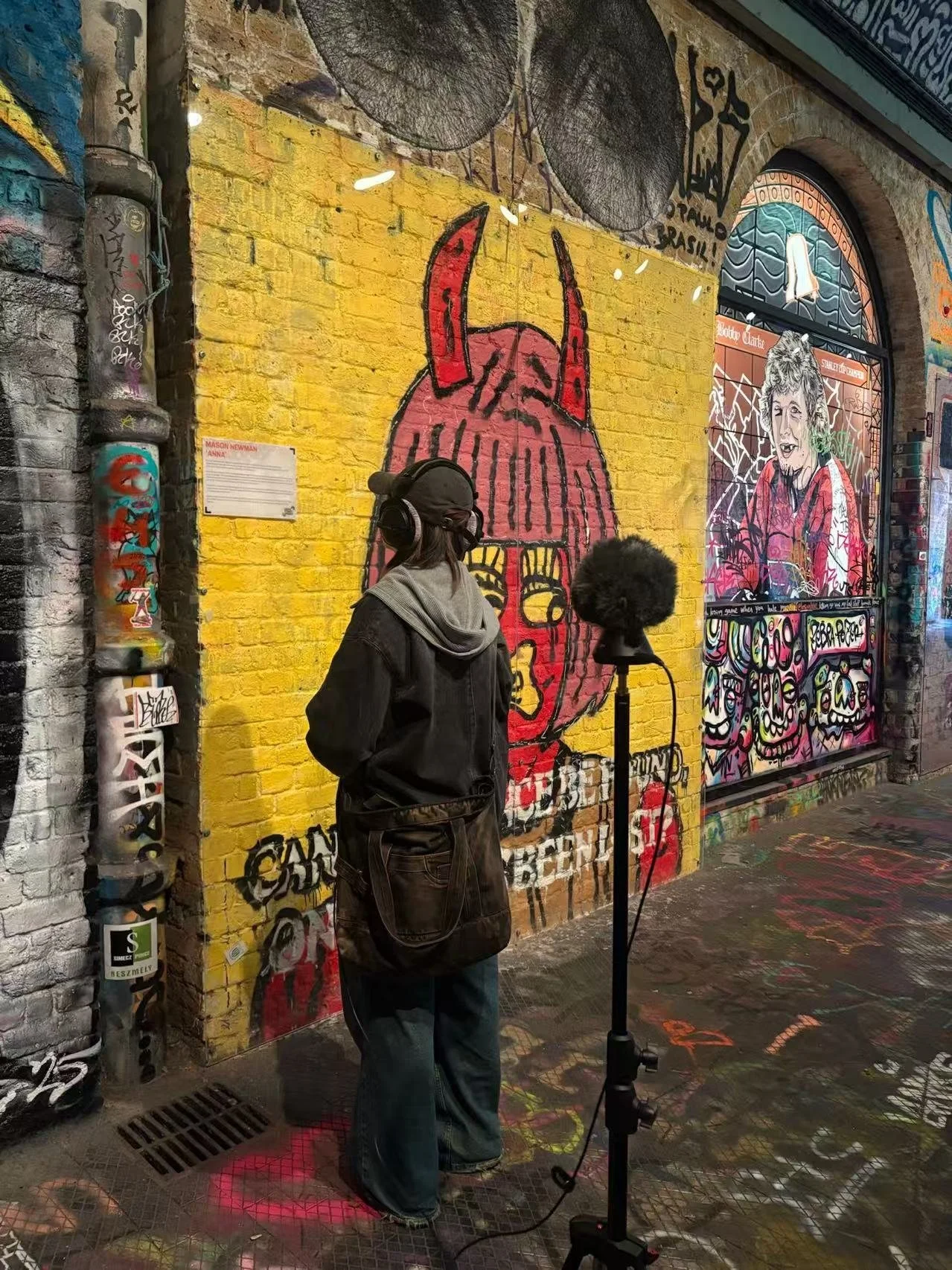
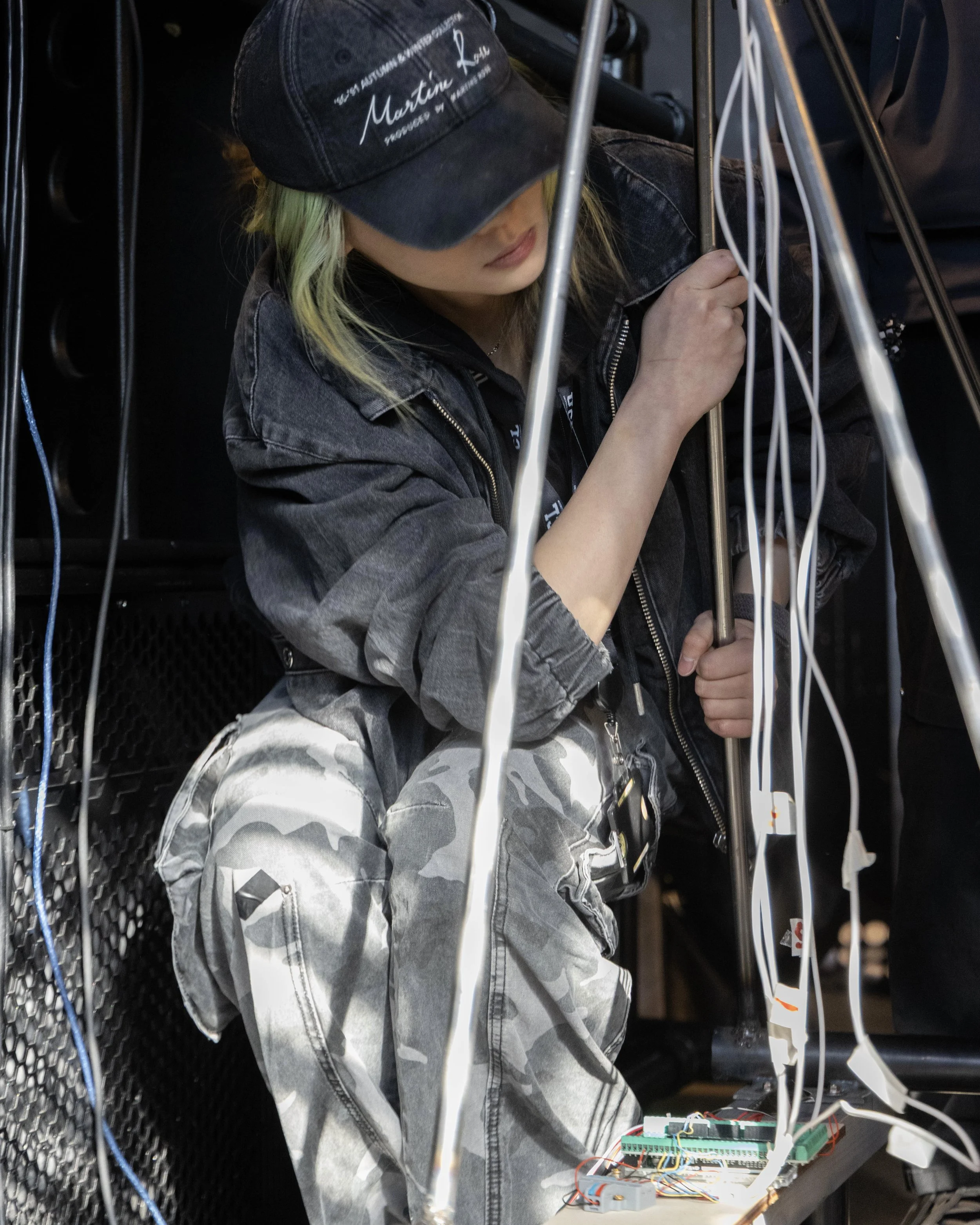
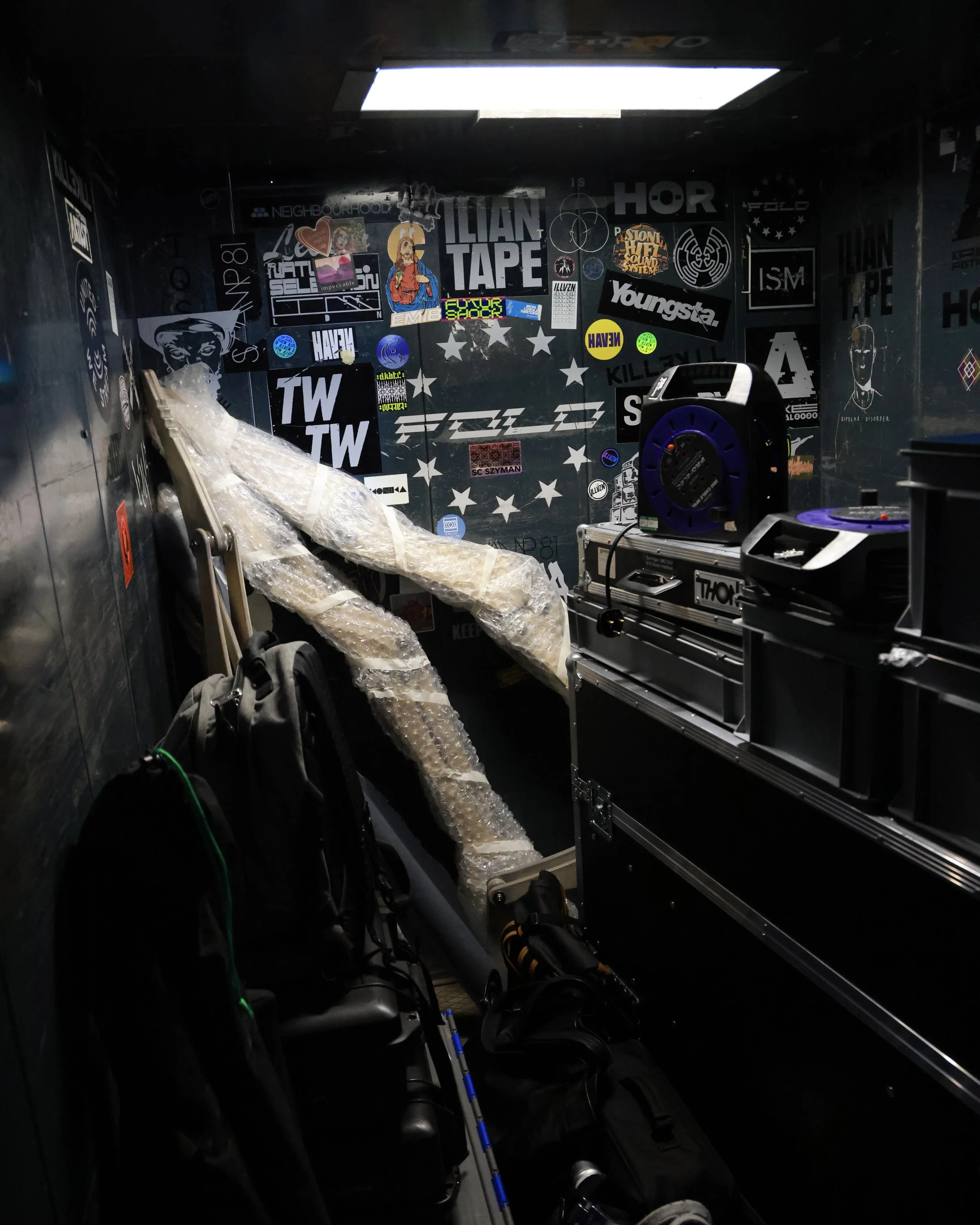
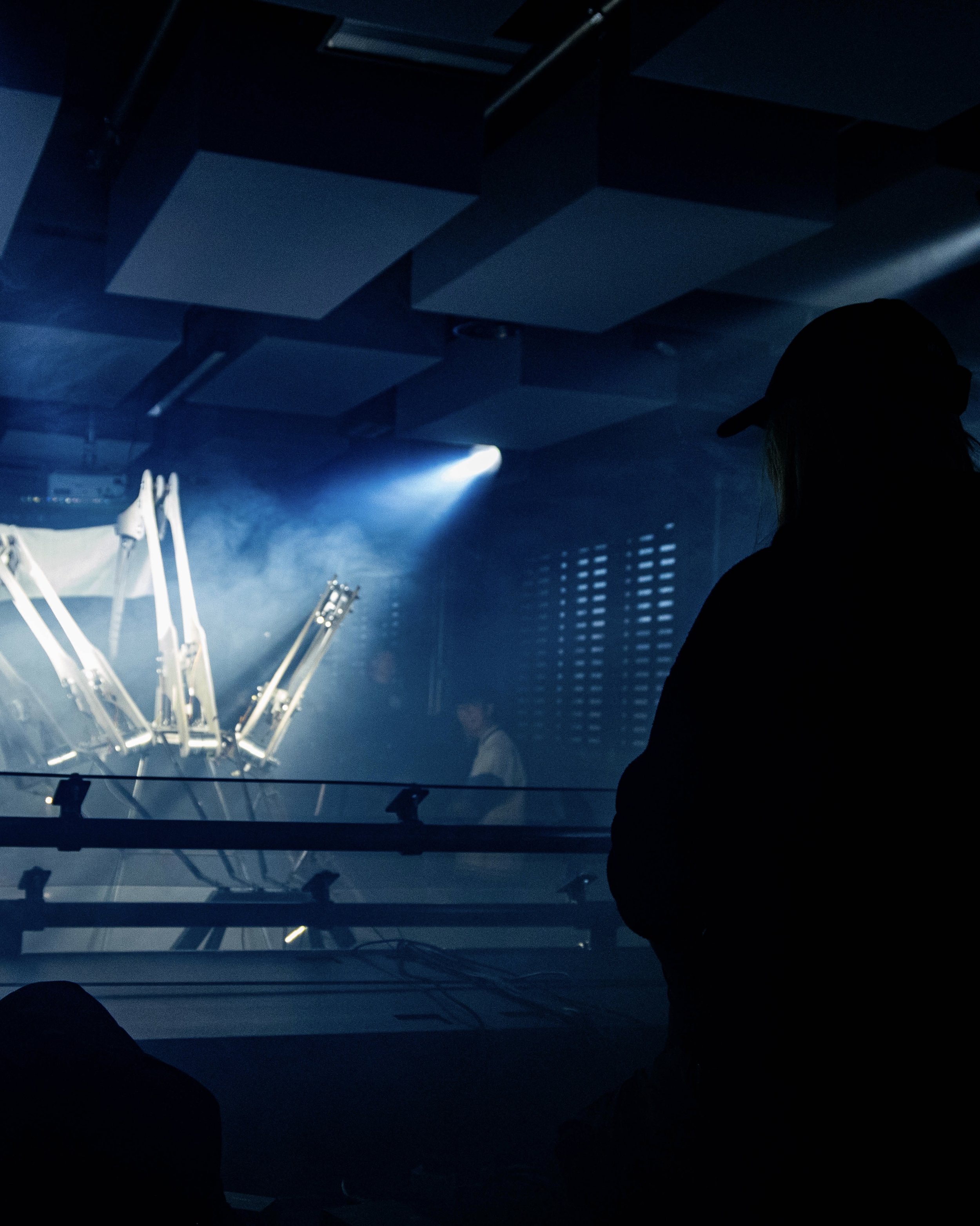
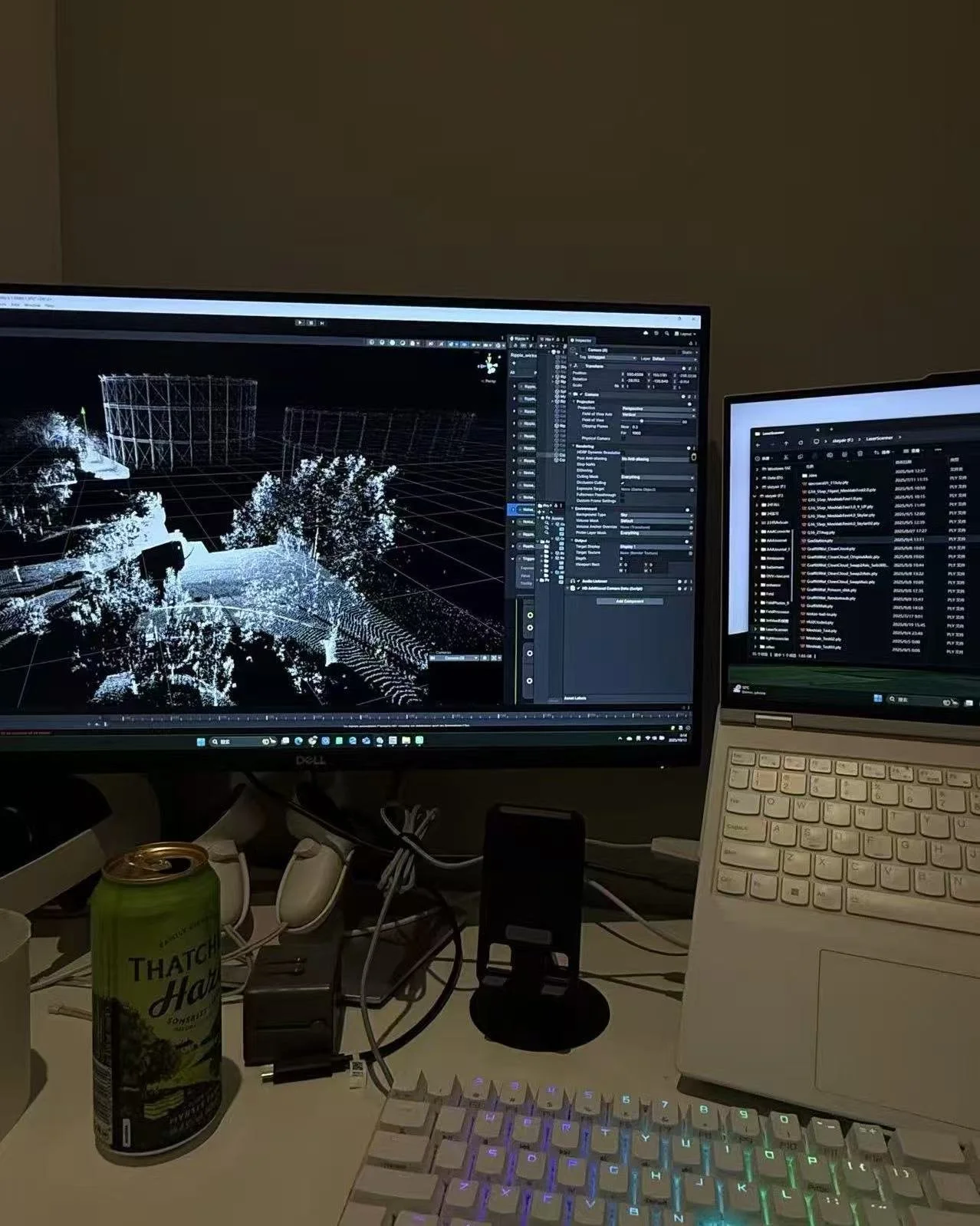
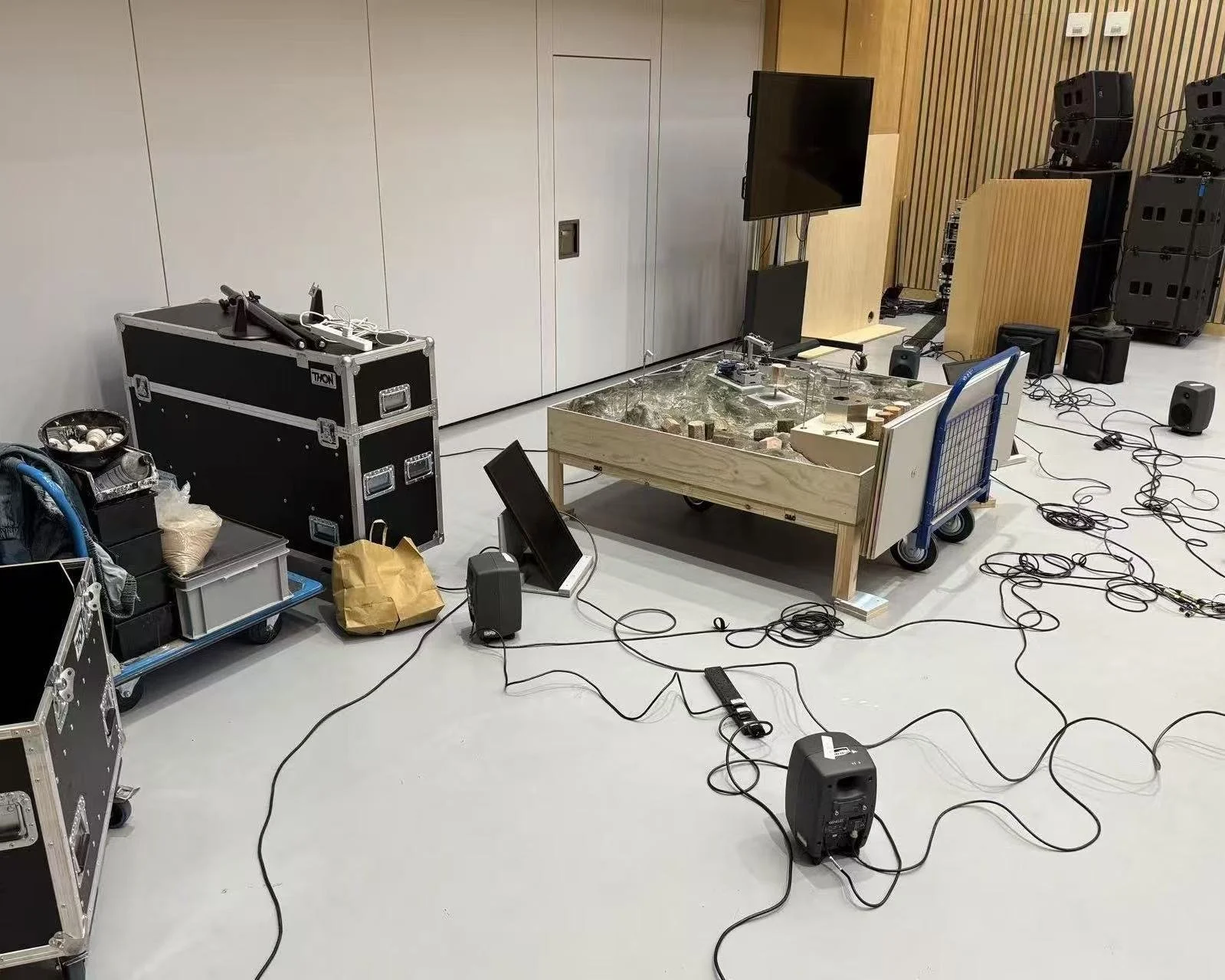
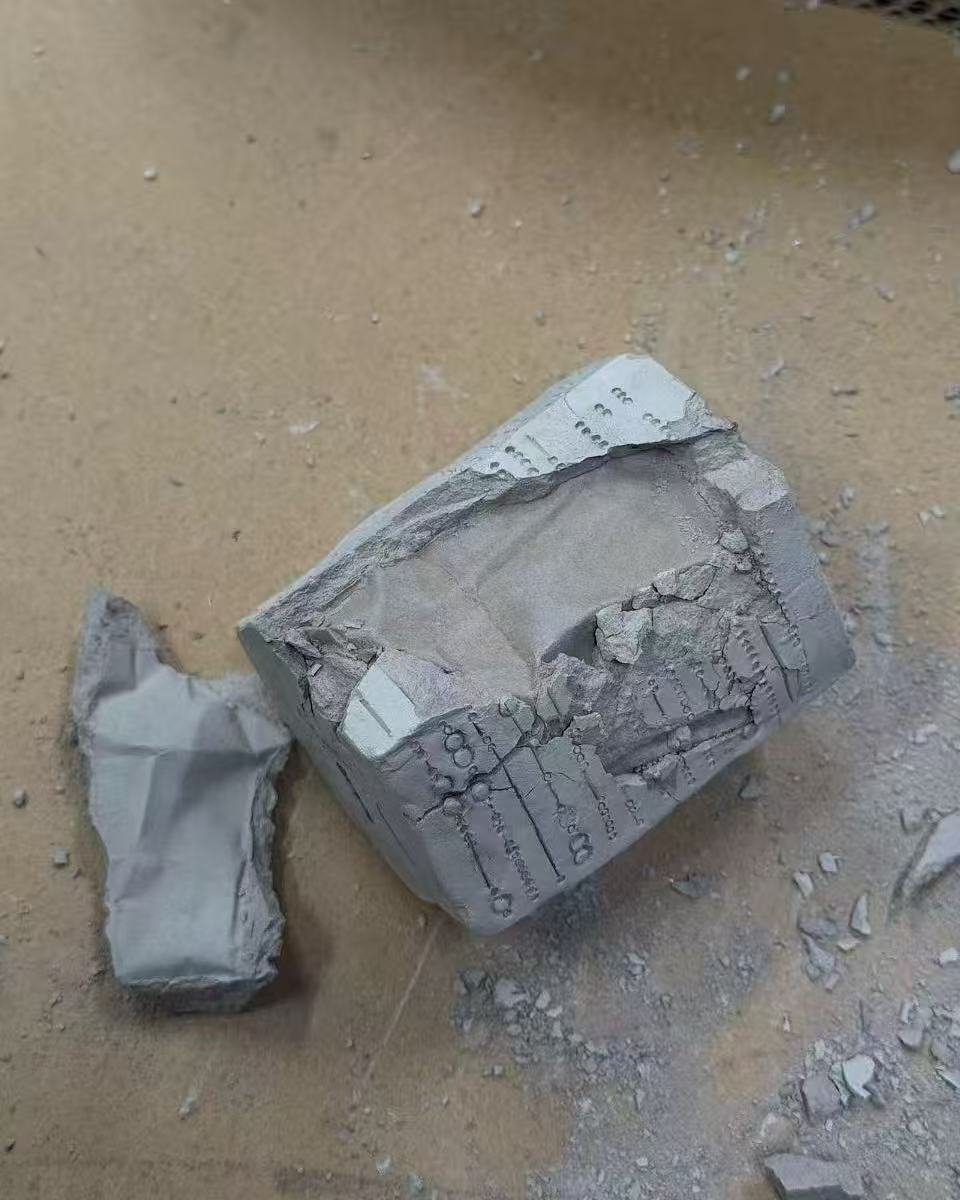
My artistic practice is not confined to a traditional studio; it is an ongoing, visceral dialogue with my daily life. I treat the world as my primary laboratory, where inspiration often strikes during a walk or a sudden observation of a fading urban detail. For me, creating is a way of inhabiting the world—a spontaneous response to the environments I move through and the emotions they evoke. I view technology purely as a vehicle for expression. My toolkit is diverse and fluid, chosen entirely to serve the narrative of the moment. Whether I am using photography to freeze a fleeting light, developing complex software algorithms in Unity to simulate a memory, or physically constructing a mechanical installation with my own hands, the medium is always secondary to the message. My process is a natural movement between digital logic and physical labor, guided by what I care about and what I feel compelled to share. This integration of life and art means my routines are centered on observation. I might find myself capturing a fragile soundscape on a busy street or sketching a structural idea on the fly. These moments of raw perception are the true seeds of my work. I embrace the imperfections of the making process—the soldering burns, the glitch in the code, the resistance of the material—as they are honest traces of my presence and my struggle to solidify the intangible. A project reaches its conclusion when the expression feels complete and true to the original impulse. I know it is time to walk away when the work begins to pulse with its own life, standing as a sincere reflection of a lived experience that has been translated through the synergy of digital and physical tools.
Influences
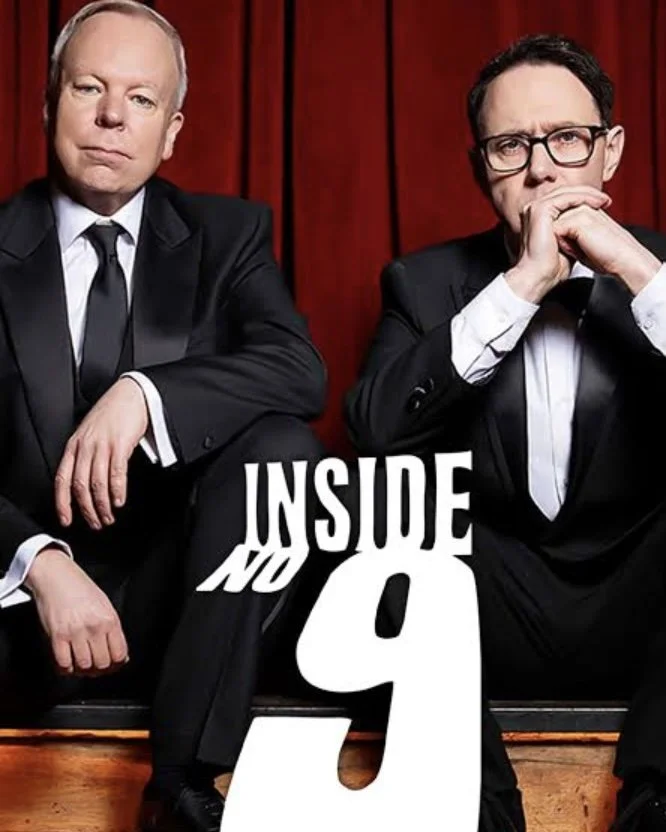
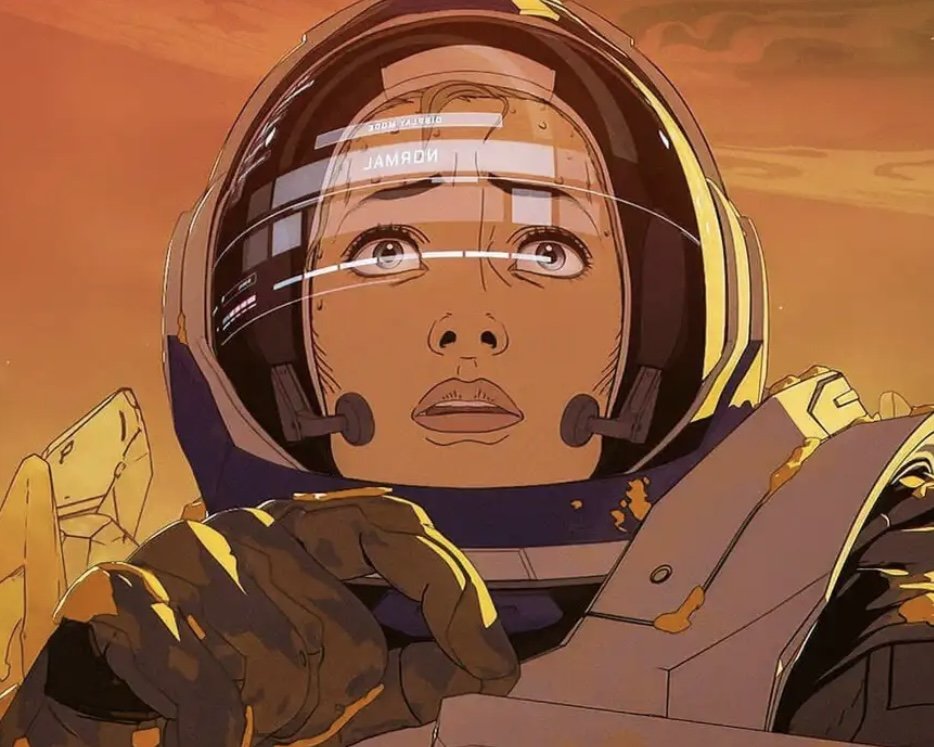
I am currently drawn to the quiet narratives embedded in disappearing landscapes, those hidden stories that linger in the physical traces of a site before they vanish forever. My practice is less about visual representation and more about a non linear form of storytelling, one that utilizes sensory substitution to evoke what is no longer there. My work is deeply informed by non art influences, particularly the logic of mystery and suspense. I am a long time admirer of Agatha Christie’s narrative structures and the atmospheric world building found in anthologies like "Inside No. 9," "Black Mirror," and "Love, Death + Robots." I often view myself as a "Director of Experiences" rather than just a designer. My installations are carefully paced stories where visual effects and spatial audio act as clues, inviting the audience to piece together a larger, often speculative, reality. For me, reading a complex mystery novel shares the same underlying logic as constructing a cross media environment; both require a rigorous orchestration of tension, detail, and revelation. When I feel overwhelmed or uninspired, I return to the roots of life. I find clarity through continuous dialogue with others, seeking to understand different perspectives and asking questions that challenge my own assumptions. I believe that creation must be grounded in lived experience, so I step away from the screen to observe the intricate ways people navigate their worlds. These interactions and observations provide the fuel for my narratives, ensuring that even my most technological explorations remain profoundly human and engaging.
Challenges
For me, the most significant challenge lies in the translation and deepening of an initial spark into a large scale, complex narrative. While small projects allow for spontaneous creation, larger works demand an immense amount of research and a rigorous search for the right entry point. When faced with a thousand different ways to design a space or implement a technology, the sheer volume of possibilities can become a creative block in itself. In these moments of overwhelming choice, my challenge is to strip away the noise and return to the essence of the project. I find myself constantly looking back at the core inquiry: What is the fundamental human experience I am trying to evoke? This process of constant re evaluation is both exhausting and essential. It requires me to be a disciplined editor of my own imagination, ensuring that every visual effect or spatial arrangement serves the central "plot" of the experience. I move through these periods of doubt by treating the research phase as a detective’s investigation. Just like the mystery novels I admire, I look for the "evidence" within the data and the site until a singular, inevitable logic reveals itself. I have learned that "rest" is a vital part of this narrowing process. Stepping away to engage in a simple conversation or a walk allows my mind to filter out the decorative and leave only the structural. Keeping my practice alive means embracing this struggle as a sign of growth, recognizing that the difficulty of choosing the right path is what ultimately gives the final work its depth and necessity.
Reflection
To me, success has evolved from the pursuit of technical perfection to the mastery of emotional resonance. Early in my career, I measured success by the complexity of my code or the scale of my installations. Today, I see success as the ability to create a "moment of pause" for a stranger, a brief interval where technology disappears and only the story remains. It is the quiet connection between a participant and a fading memory that truly validates my work. To those just starting to take their creative practice seriously, my advice is to stop looking for inspiration solely within the art world. Look at how a detective structures an investigation or how a novelist builds suspense. Treat your technology as a supportive cast, not the leading role. If you feel stuck or disconnected, return to the physical world. Walk until your mind clears, talk to people who have nothing to do with your industry, and remember that your life is the primary source of your creative energy. Moving forward, I am excited to deepen my exploration of material memory through a new project centered on the Polaroid medium. This upcoming work investigates the chemical and physical process of "developing" a moment, treating the iconic instant film as a site of sensory archaeology. I want to do more work that explores the "humanity" within technology, and less of the purely technical demonstrations. My next step with Wrench2Studio is to develop environments that are not just immersive, but deeply interactive on a psychological level. I believe the future of cross media design lies in our ability to remain curious, to keep asking difficult questions, and to never let the tool overshadow the message.