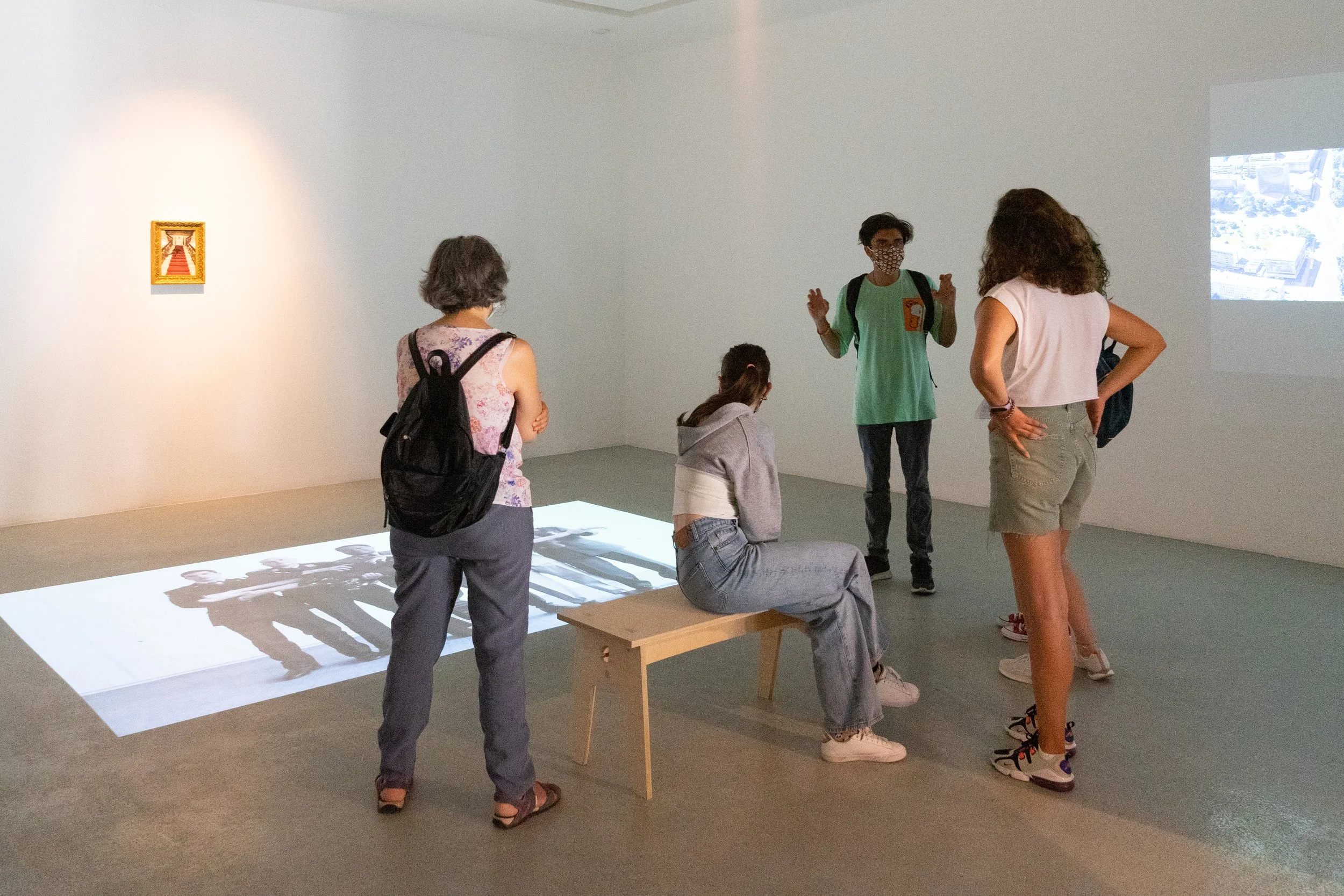
Diren Demir
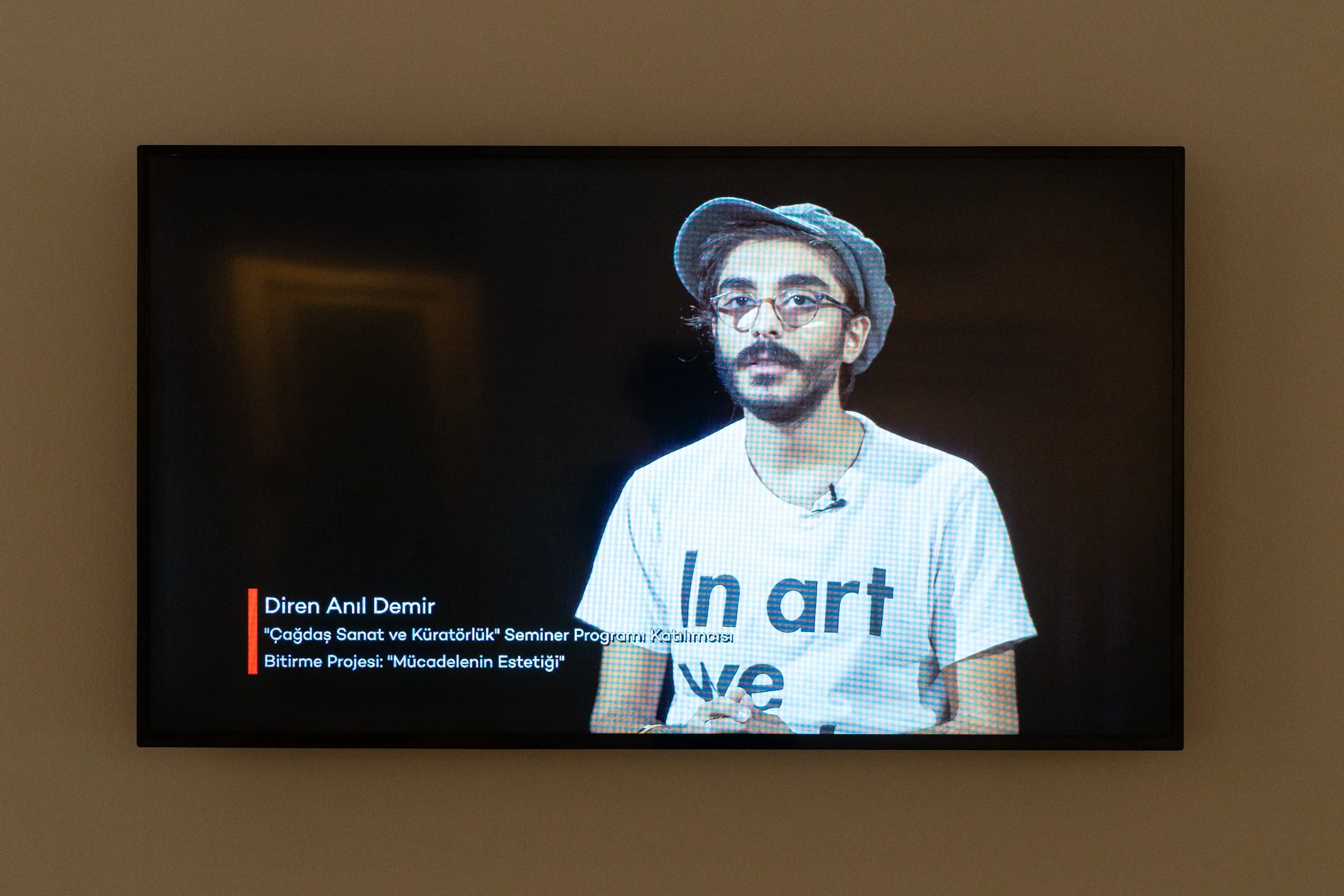
Diren Demir (Istanbul, 1997) is a Berlin-based interdisciplinary artist and independent curator. Their work explores transformative solutions to the challenges posed by patriarchal and authoritarian regimes. Their installations and performances often engage with themes of revelation and the body-power relationship as a site of conflict. Diren focuses on transformational activism, participatory practices, and developing new models of resistance in their artworks. They incorporate queer themes, using their own body to challenge stereotypical gender roles and surface the silenced memories of place and the city by referencing LGBTIQ+ history in their articles, seminars, and workshops. In 2019, their compilation titled “A Night in June: A Biographical Analysis of the Stonewall Revolution” was published. In August 2022, their poetry and illustration book “Hail to the Fallen” was released. They have curated more than 30 guerrilla exhibitions on streets and in rural areas, prioritizing the accessibility of art, as well as in venues like Akbank Art Center, Fixotek Berlin, Gazhane Museum… Diren’s works and projects have been exhibited in various countries, including Estonia, Turkey, Serbia, the Netherlands, Argentina, Germany, Slovakia, India, USA, China and the UK.
Born in 1997 to a Kurdish-Turkish family in Istanbul, Diren focuses on challenging authoritarian regimes and patriarchal cultures by creating transformative solutions and spaces for co-existence in their artworks. By designing creative acts and aesthetic forms of civil disobedience against oppressive regimes, Diren combines artistic methods with transformational activism. The theme of “revealing” frequently appears in Diren’s work. Biopolitics, the body–dictatorship relationship, and censorship are among the areas of conflict they address through the context of disclosure. They often use their own body, relating it to public nudism. In their work, they focus on body politics and investigate their physical limits. Reinterpreting and politicising cultural rituals and traditional motifs are also essential parts of Diren’s art practice. Diren frequently refers to a physical object at the center or within the context of their performances. In their artworks, the “remains” of a performance are presented as a new form of installation; alternatively, through installations, Diren places the audience within performative acts. In this way, Diren brings the abstract and concrete realms between the ethereality of performance and the materiality of sculpture closer together. As an artist working in public space, Diren creates new forms of encounter with the audience. Their art/action space is often the public sphere, where spontaneous interactions can emerge. One of Diren’s main intentions is to change, reconstruct, or sometimes dismantle social codes. Therefore, the liberating aspect of placing the spectator within interactive spaces constitutes an essential aspect of their practice. Diren continually explores new aesthetic strategies through artistic interventions, installations, and participatory art. In addition to their queer-themed works, Diren uses the context of the body to dismantle stereotypical gender prisons. They aim to recover the memory of space and the city by frequently referring to the spectral presence of lost geographies, landscapes, and urban archaeology.
Process
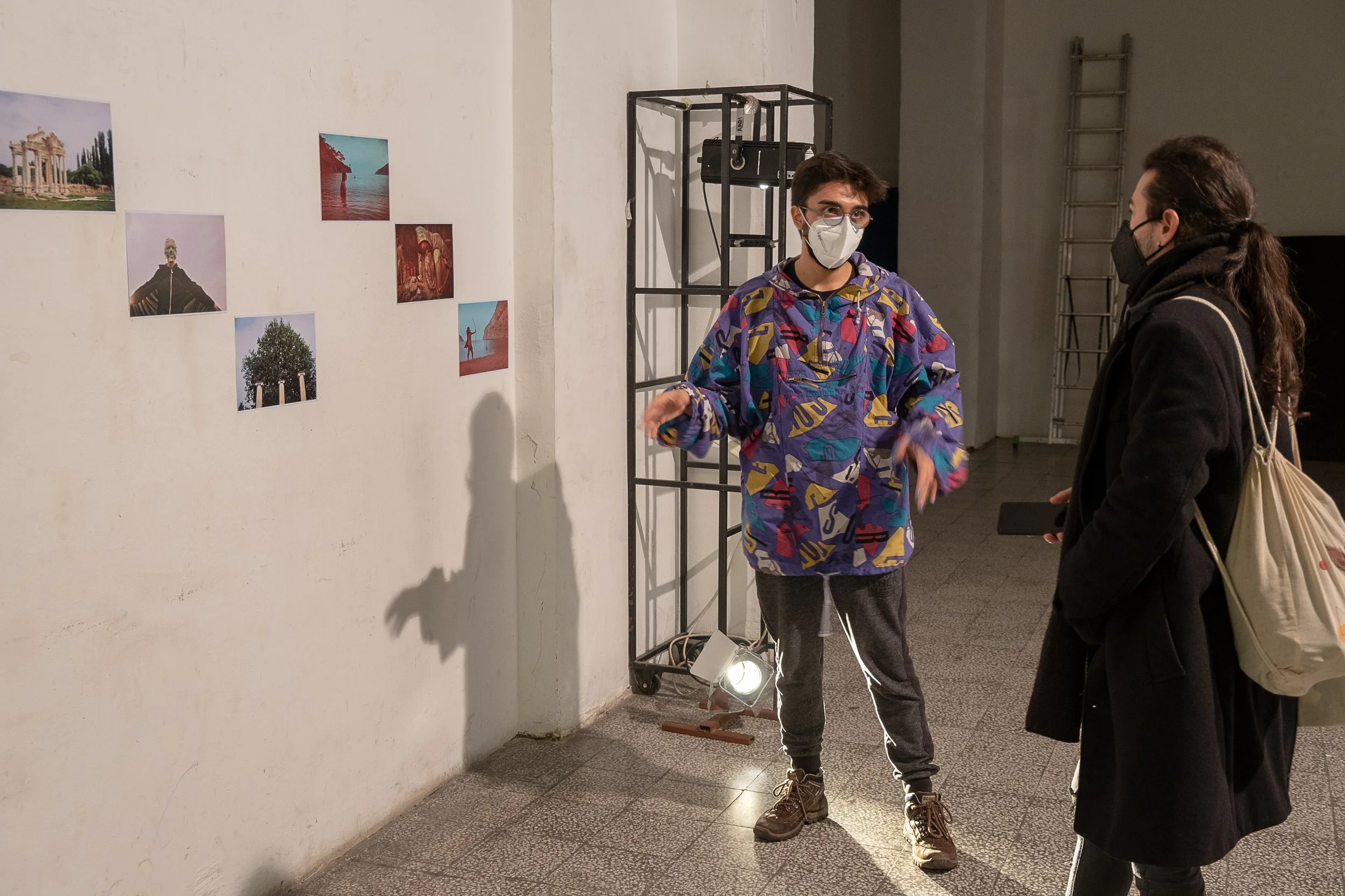
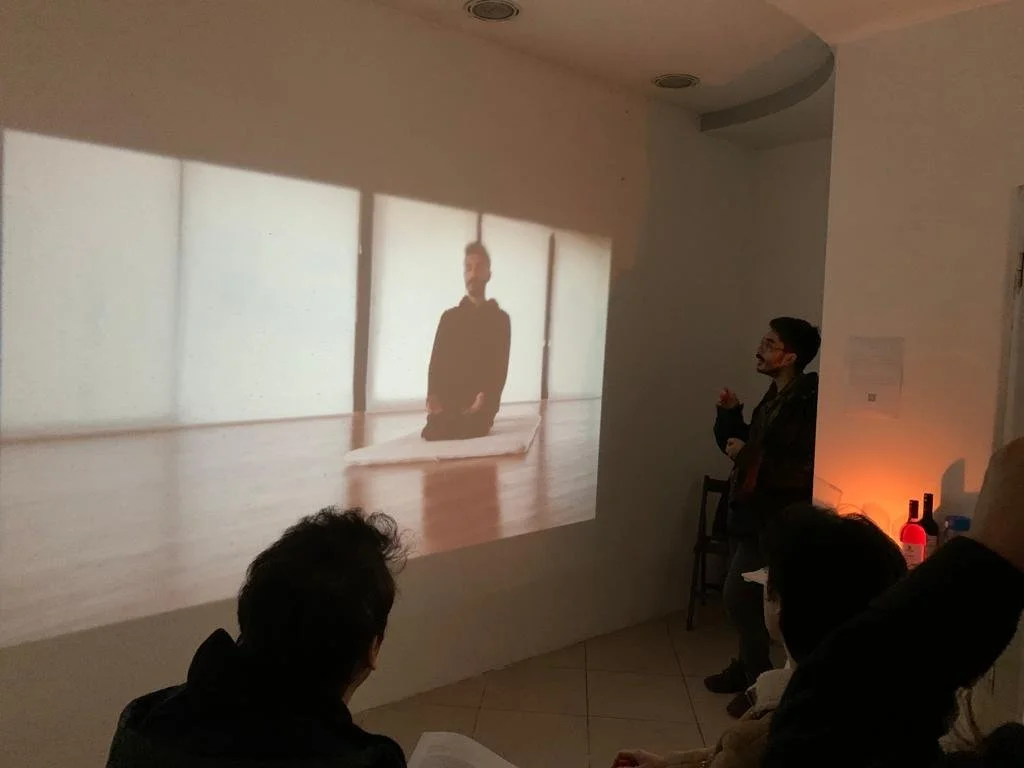
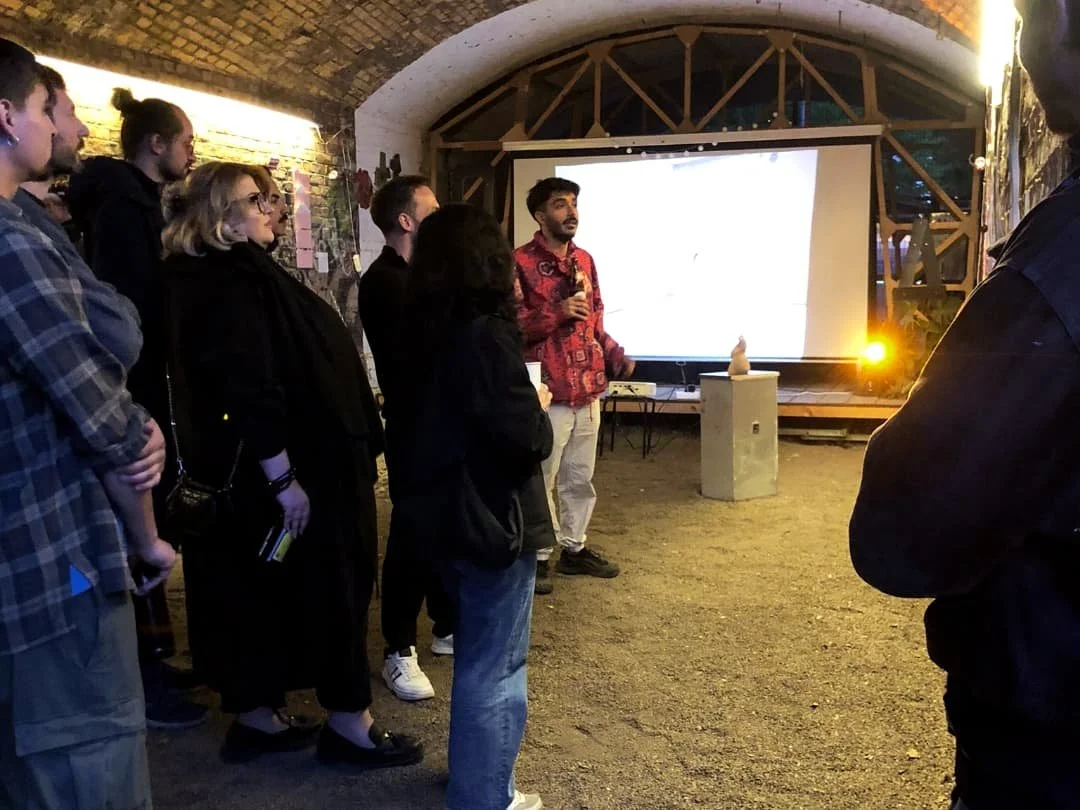
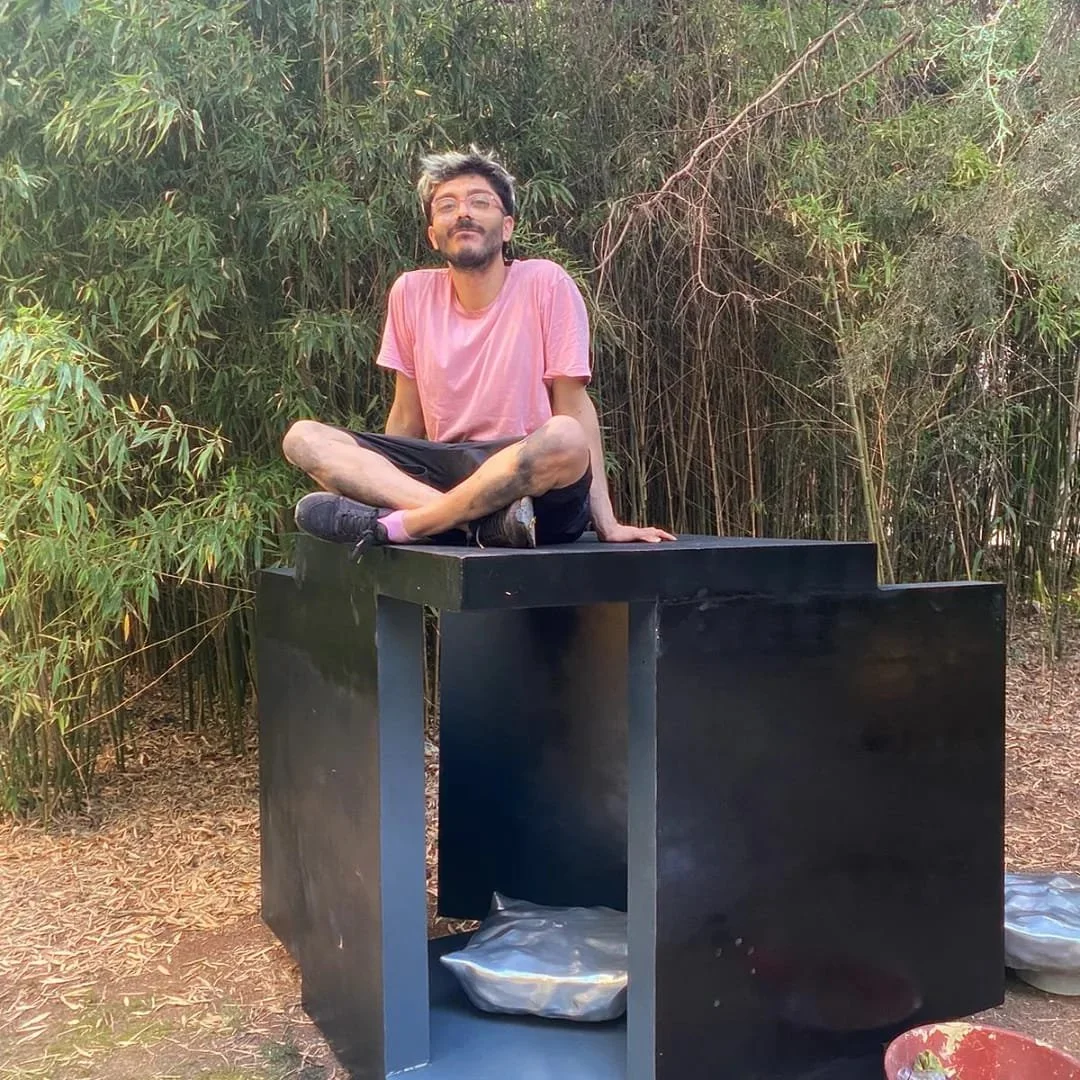
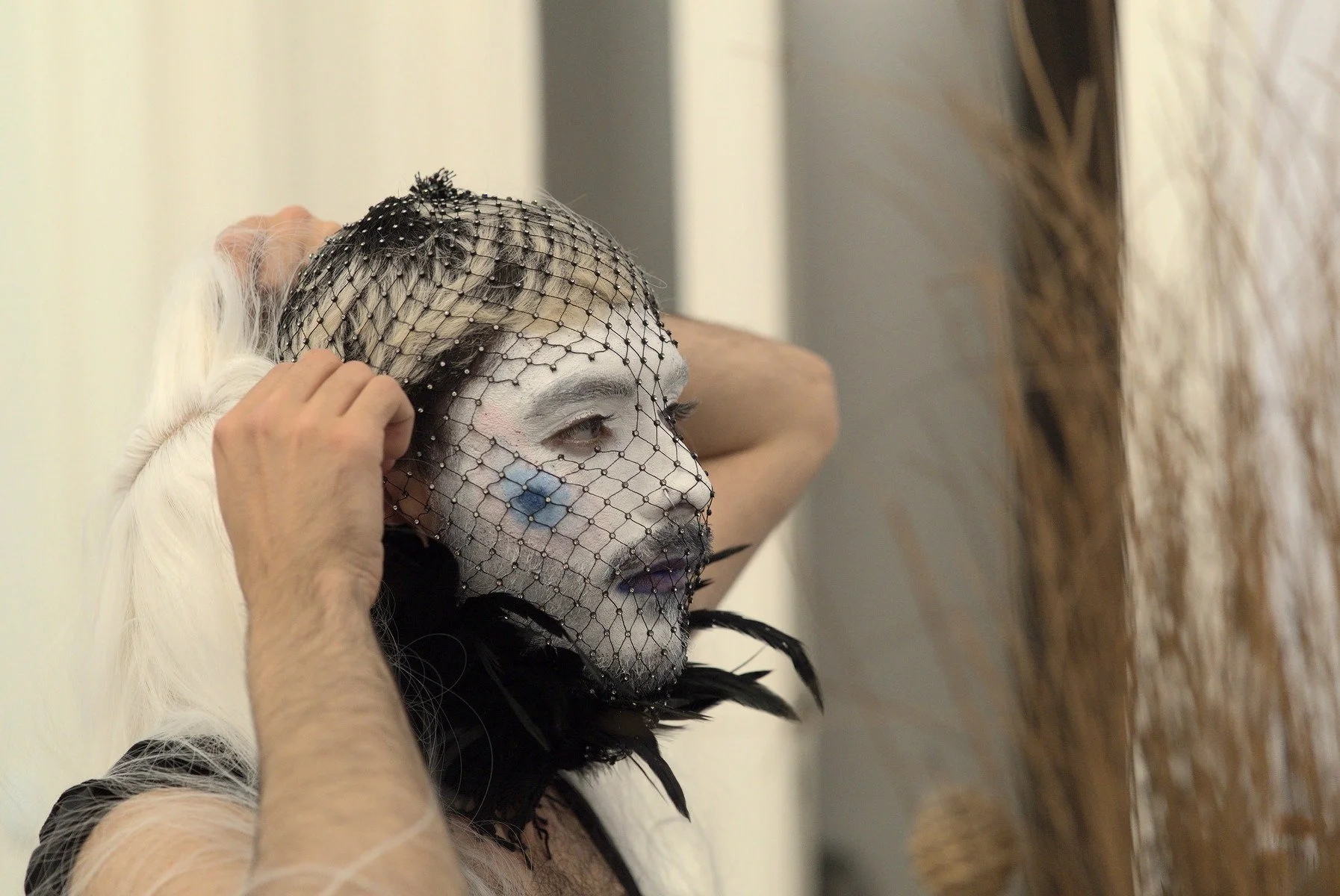
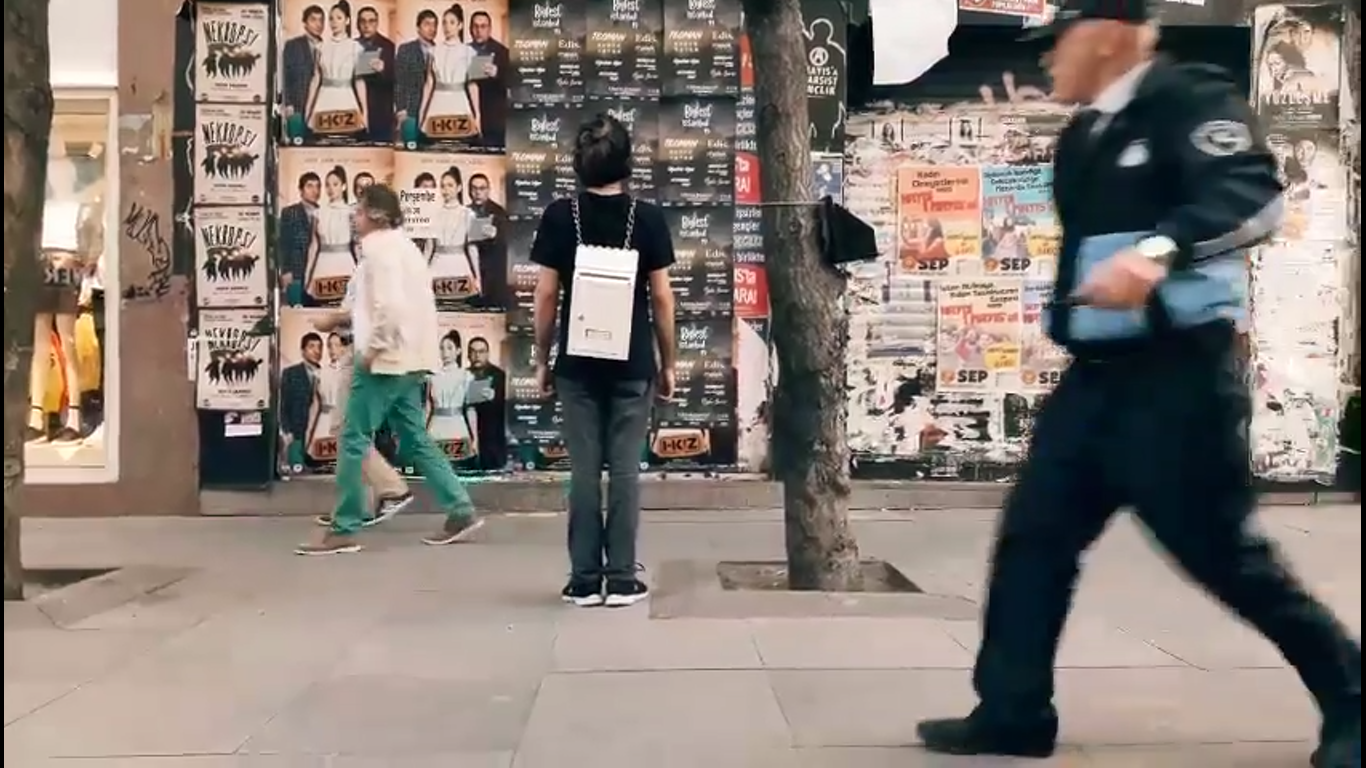
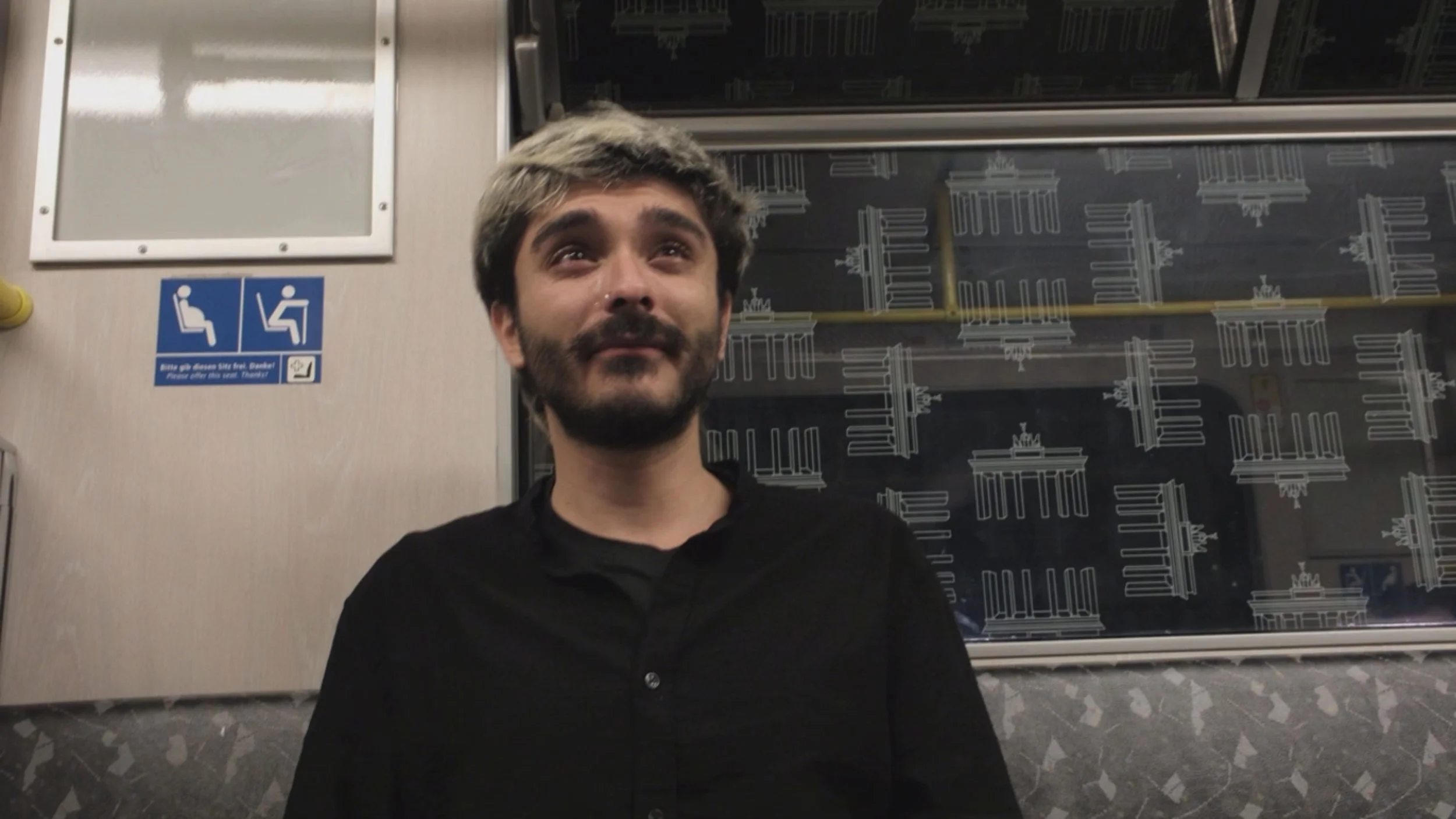
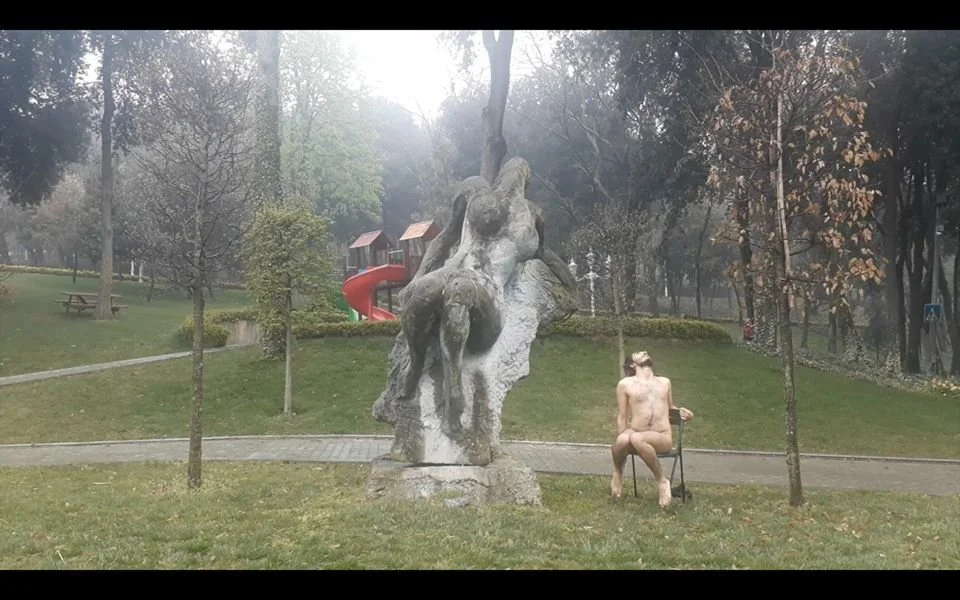
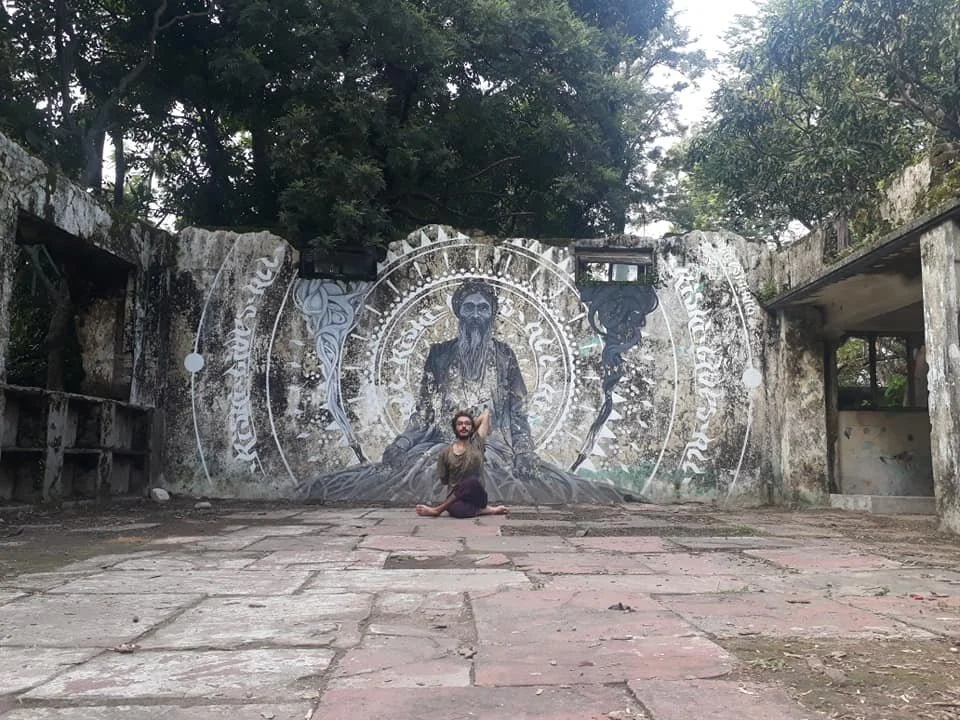
My practice moves between performance, sculpture, and public intervention. The images here show fragments of the process: experiments, rehearsals, material tests, and moments from the spaces where the work begins to take shape. I work directly in shared public environments, paying attention to places where queer memory has been erased, suppressed, or deliberately forgotten. Through performance, installation, sound, and community-based actions, I treat art as a field of research and civil disobedience. These methods allow me to expose hidden histories, confront the social codes that regulate bodies in public space, and sometimes dismantle them. Often a performance leaves behind an object that later becomes a sculpture or installation. At other times, a material object becomes the trigger for a performative action. My process constantly moves between body, material, and site, allowing each work to emerge through experimentation and direct engagement with the public sphere.
Influences
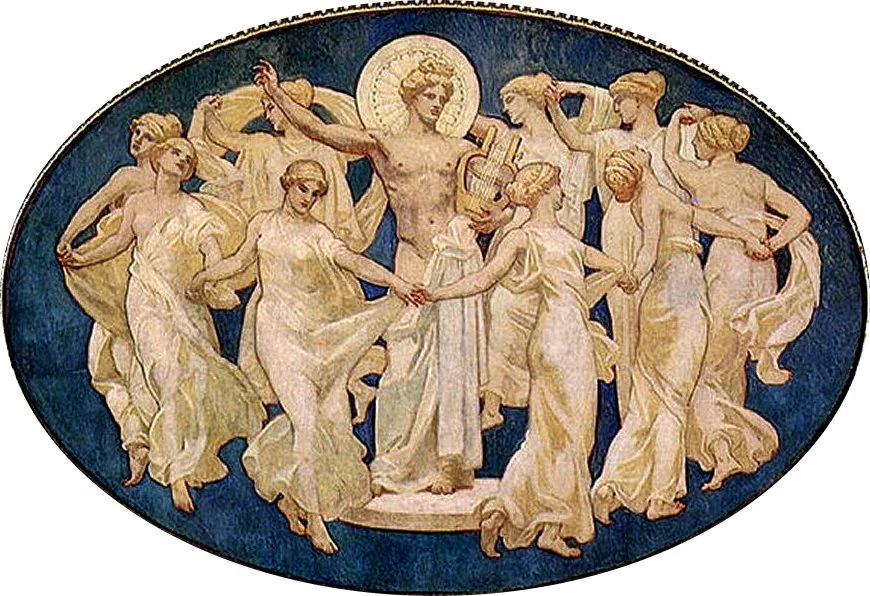
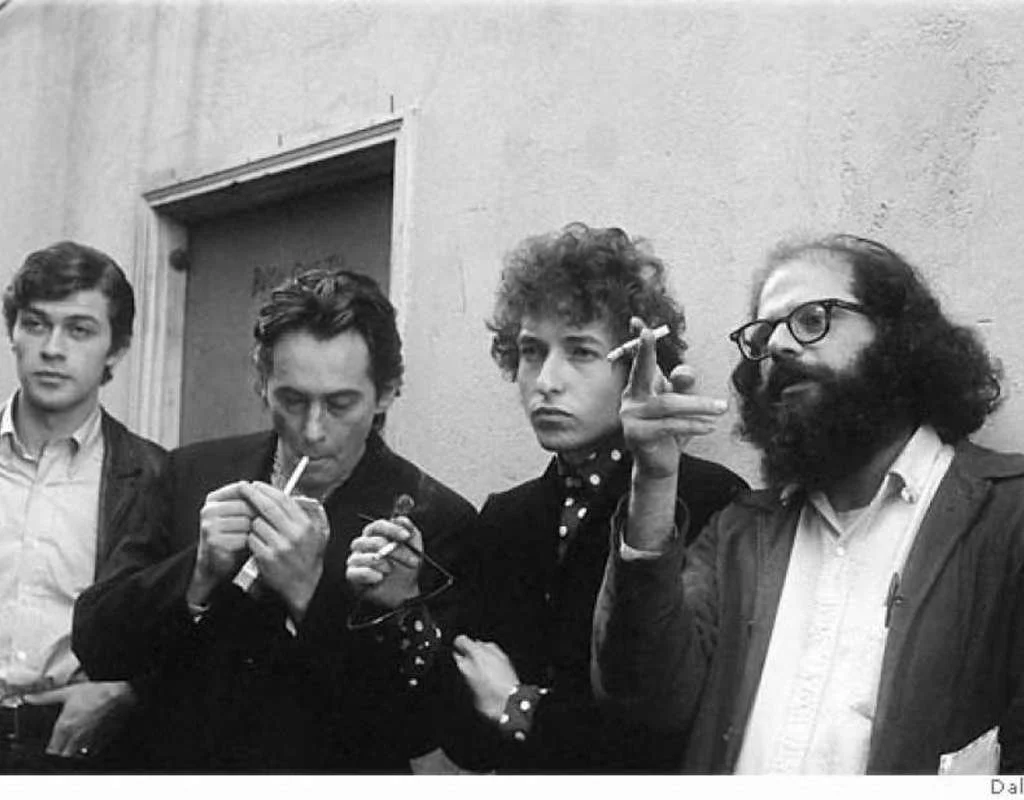
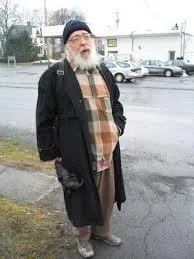
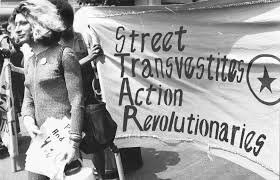
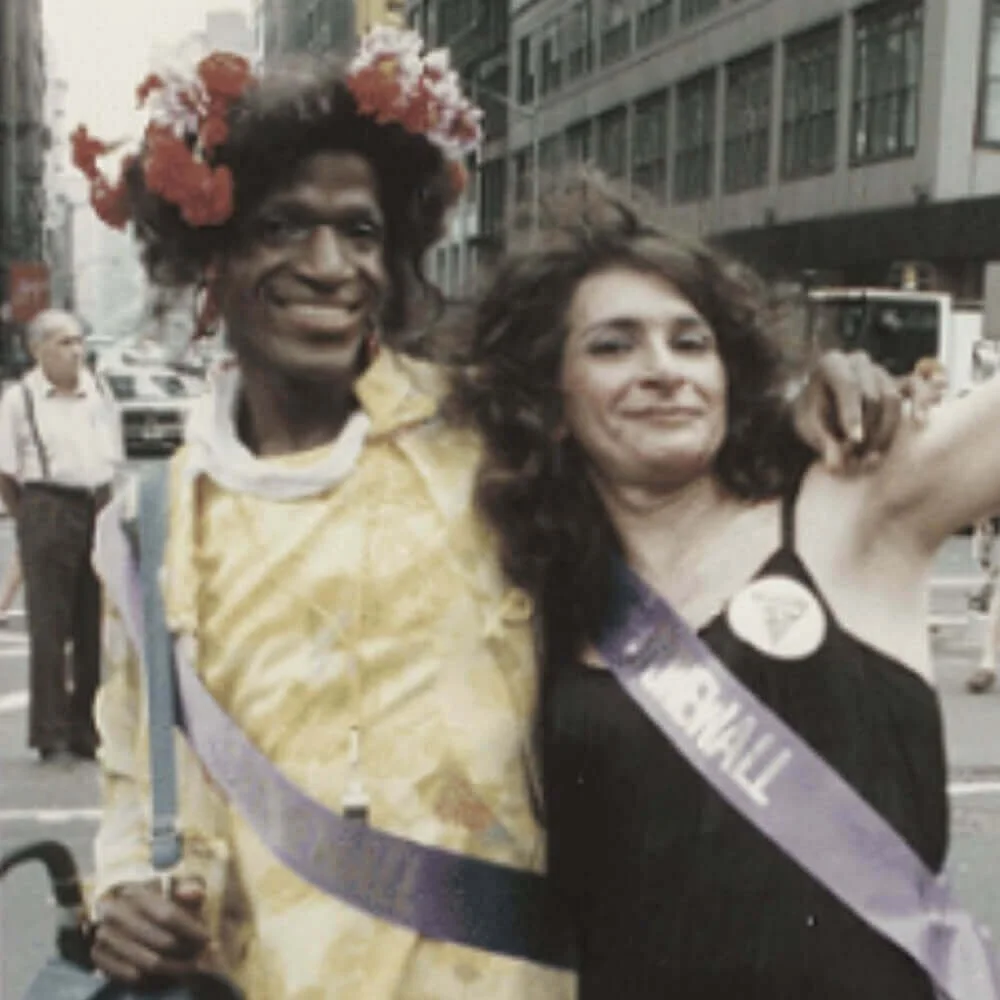
One text that shaped my thinking early on was Peter Lamborn Wilson’s Temporary Autonomous Zone. The idea that freedom can emerge in fleeting, self-organized spaces still resonates with how I approach public interventions and collective actions. The Stonewall resistance is another constant reference point. It reminds me that queer history is not abstract theory but a series of moments where bodies refused control and turned the street into a site of rebellion. The spirit of the Beat Generation and the state of being on the road is also a big influence for me. That sense of wandering, and the state of being on the road feels very close to how I understand both life and artistic practice. I’m influenced by occult and esoteric traditions. Practices of witchcraft, and strands of Western esotericism such as Kabbalah shape how I think about symbols, ritual, and transformation. Pagan cosmologies, especially figures like Apollo, the god prophecy, continue to inform the mythological layer of my work. These references constantly move through my work. Sometimes they appear as symbols, sometimes simply as a way of understanding art as both a ritual act and a form of resistance.
Challenges
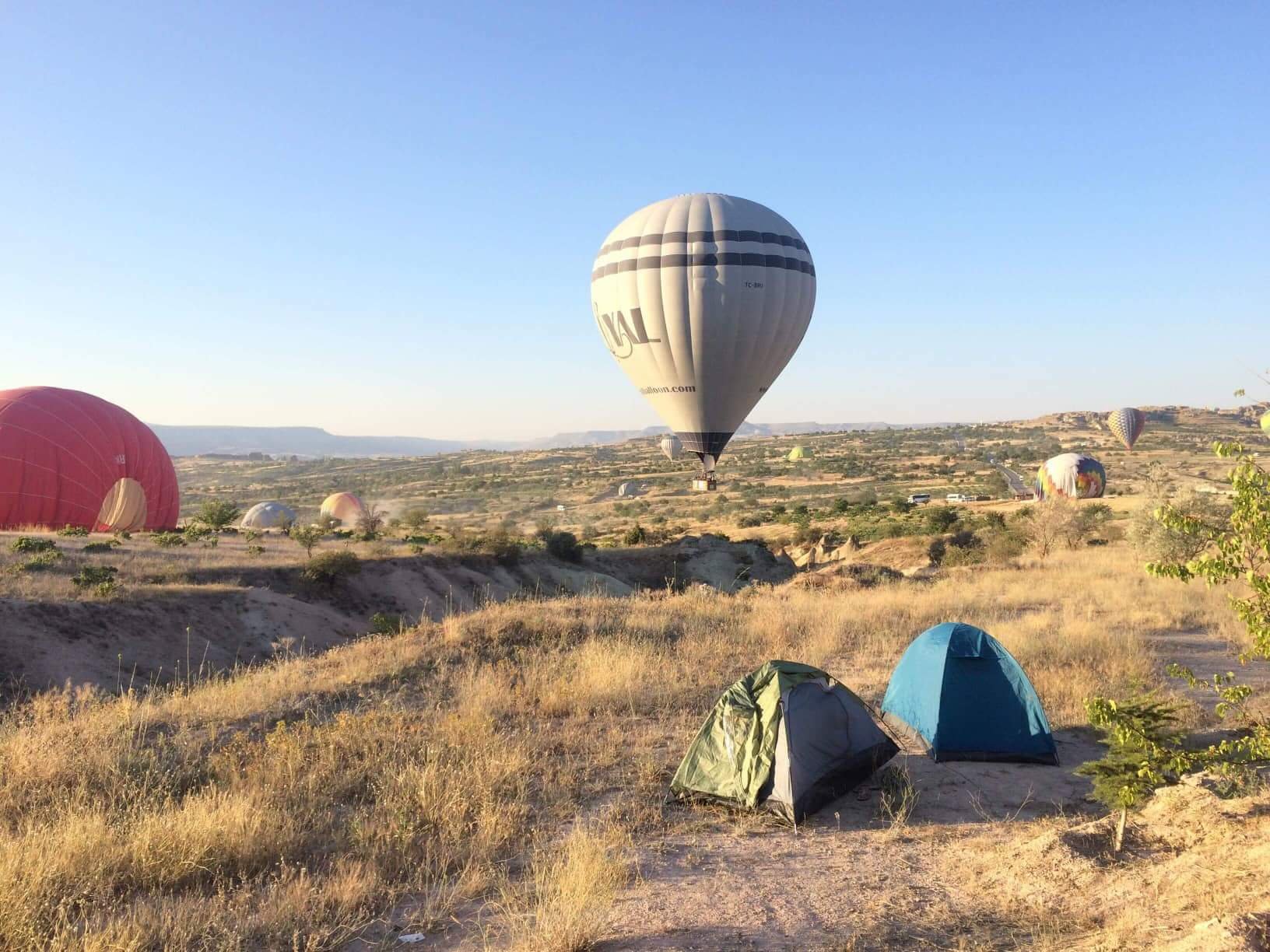
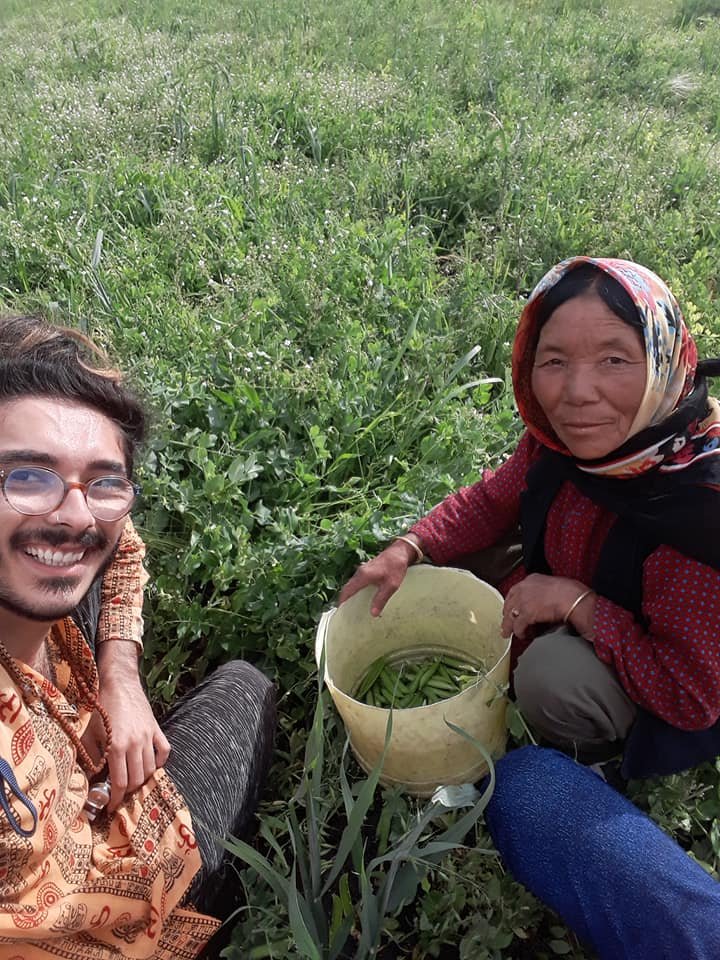
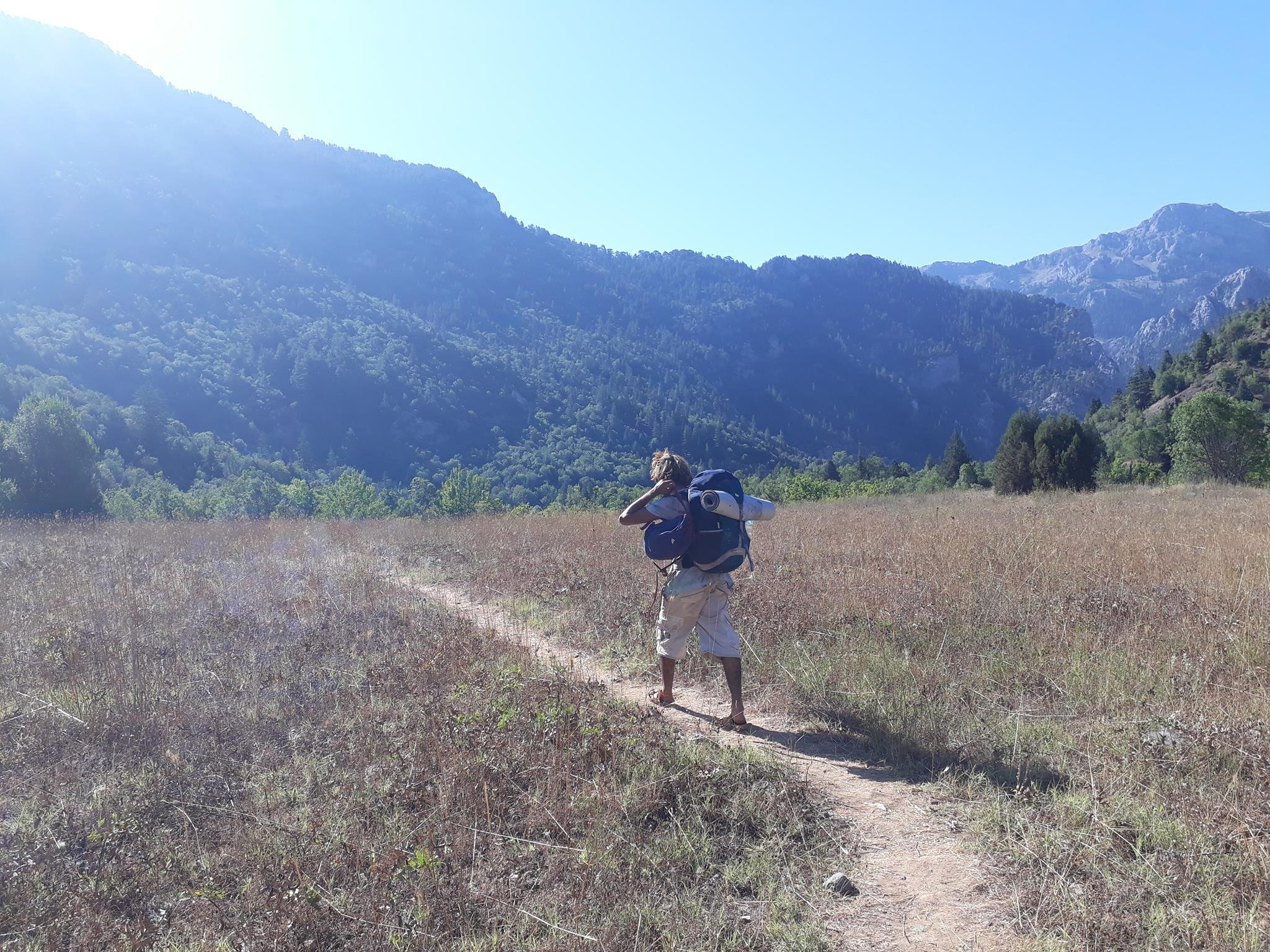
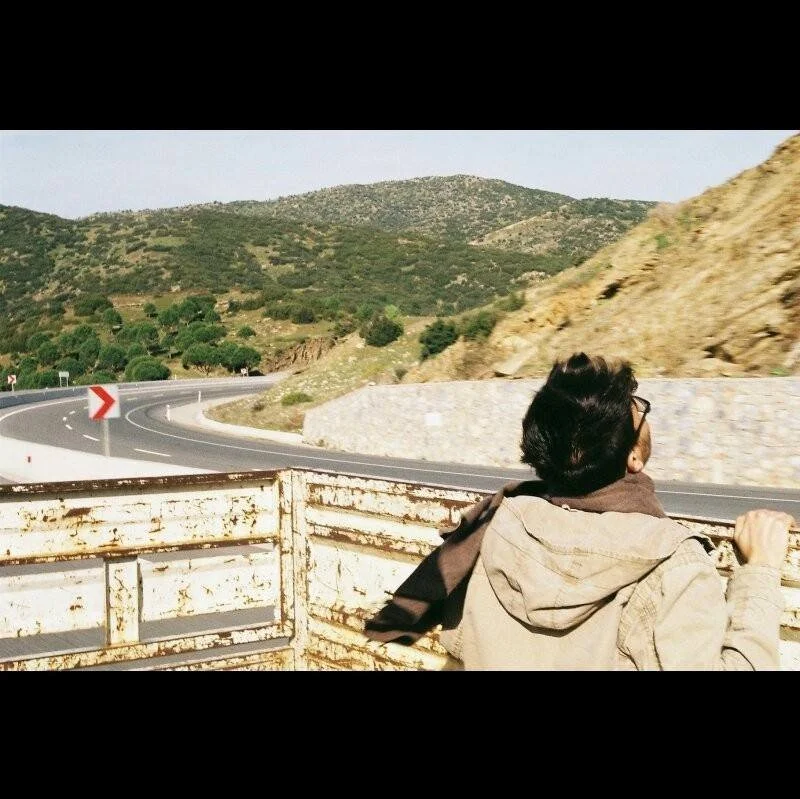
When I feel blocked or uncertain, I interrupt my routine and move. Being on the road has always been my way of breaking through creative stagnation. Hitchhiking, traveling to unfamiliar places, and getting lost in new cities or in the forest, reset my perception. Walking through streets where I know no one, listening to unfamiliar languages, and observing how people inhabit their environments reopens my curiosity. These experiences remind me that art does not only happen in the studio. It happens in encounters, in landscapes, and in the unexpected moments that appear when you leave your comfort zone. Writing is another way I process these periods. When ideas feel unclear in my mind, I write them down. Sometimes they become poems, sometimes notes for future performances, sometimes the seed of a new project. Staying curious about the world and remaining physically and mentally in motion has been essential in keeping my practice alive.
Reflection
Creative energy already exists. It moves through us. Every human being has the capacity to channel it, embody it, and allow the creative impulse of the universe to manifest through their life. Trying to “be creative” as a goal can easily become a forced and impure intention. What matters more is alignment with one’s own energy, path, and Dharma. When someone is in alignment with their nature, creativity begins to move naturally through whatever channel is available. It is also important not to confine creativity to what we label as “art.” Many projects, gestures, and actions that may not appear artistic are still expressions of creative force. Creativity follows the path that life opens. Periods of blockage are often invitations to return to oneself with courage. They ask us to remain present, to stop imitating voices, identities, or postures that do not belong to us. Being an artist is not an "identity" to perform. It is a potential energy already present within us, waiting to unfold. Just as birds know how to fly and cows know how to graze, human beings already carry the knowledge of their own creative path somewhere within them. The task is simply to listen closely enough to follow it.