Liza Petrova
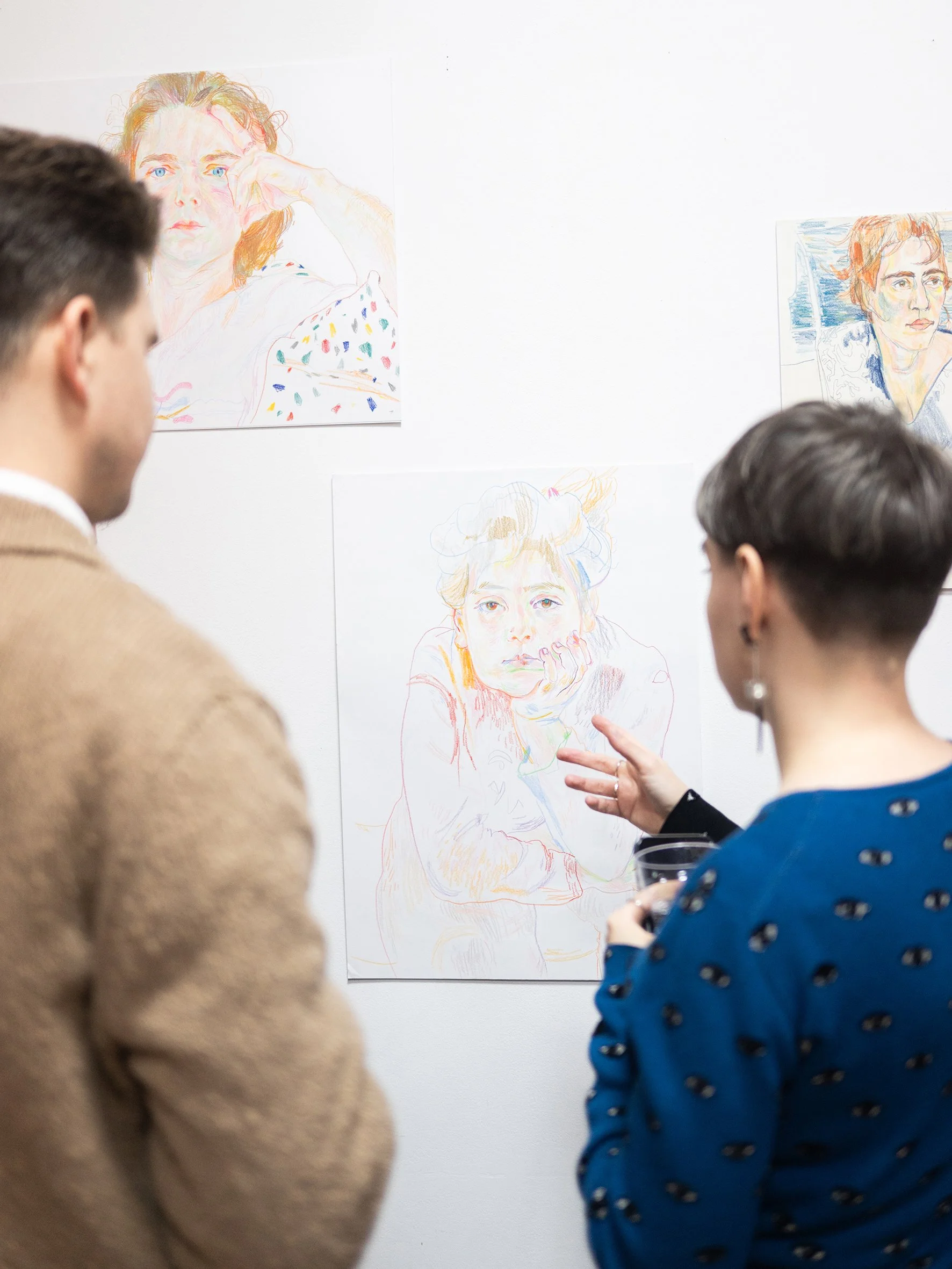
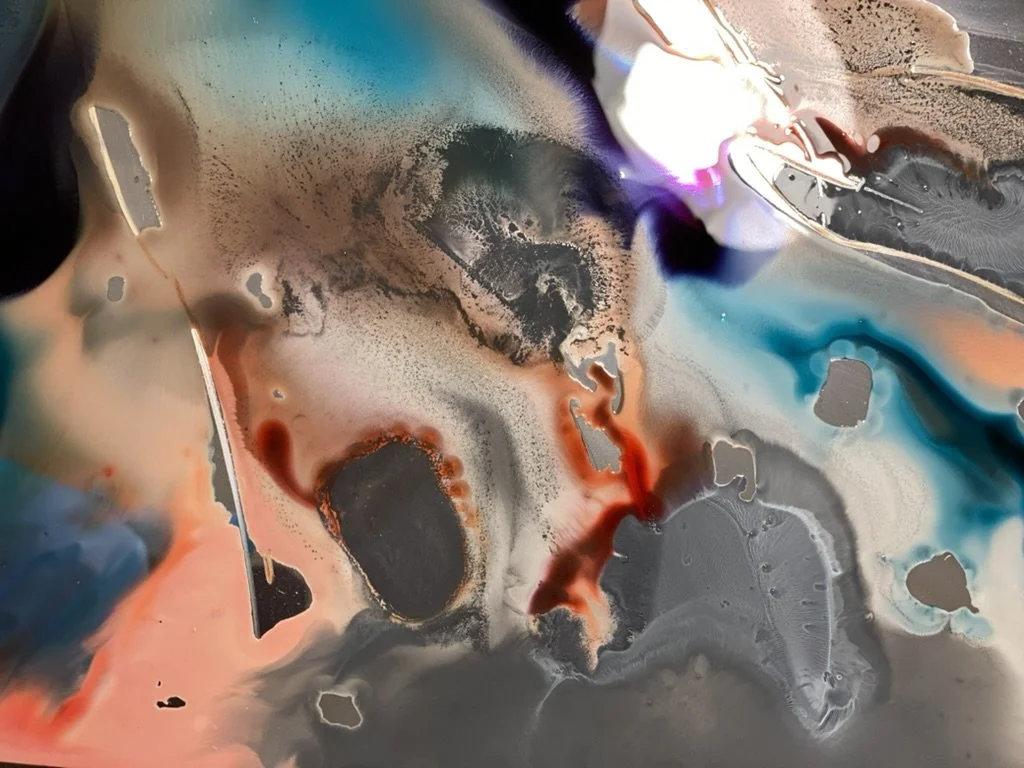
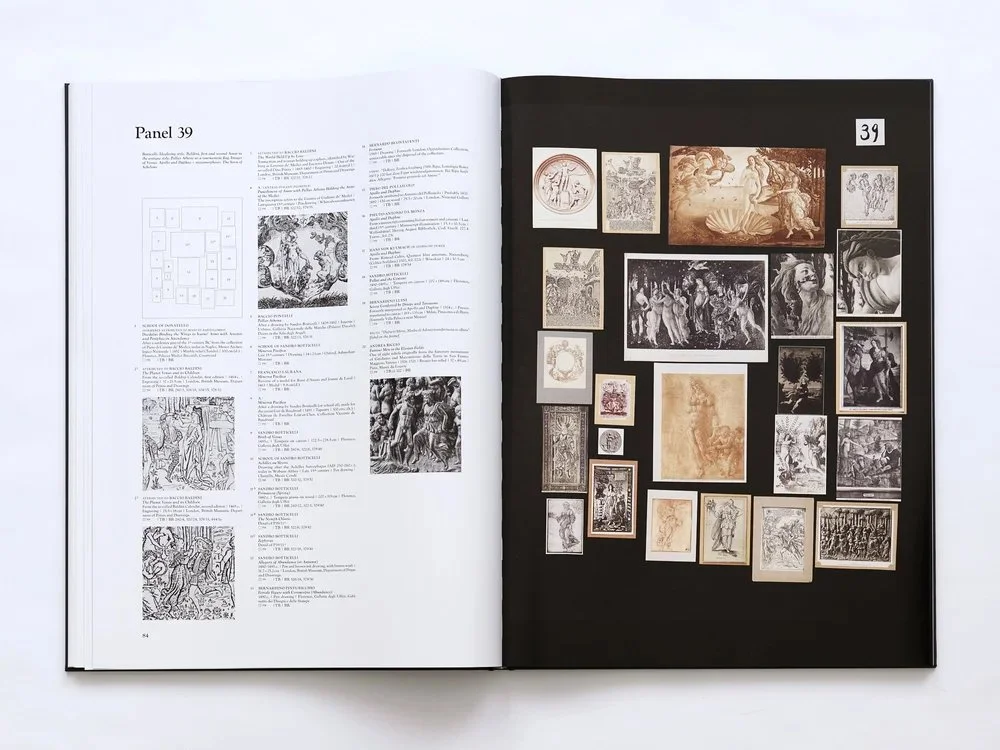
I am a Serbia-based artist with a background in urban planning and architecture. I am interested in continuity and complex global systems, and I am particularly inspired by Aby Warburg’s idea of the migration of images, in which visual motifs act as carriers of emotional memory, moving across time and cultures while changing in new historical contexts. This is why I work with classical subjects such as portraiture, the nude, or the figure in landscape: timeless and ever-evolving, they create a conversation between artists throughout history. My work examines how the language of contemporary art interacts with and reshapes these traditional subjects and materials. My work begins with the tension between a person and the space around them. In my portraits, the figure affects the surrounding space, distorting it, extending personality beyond the body, and reflecting an inner state. I work in mixed media, primarily combining alcohol ink and oil on plastic.
Process
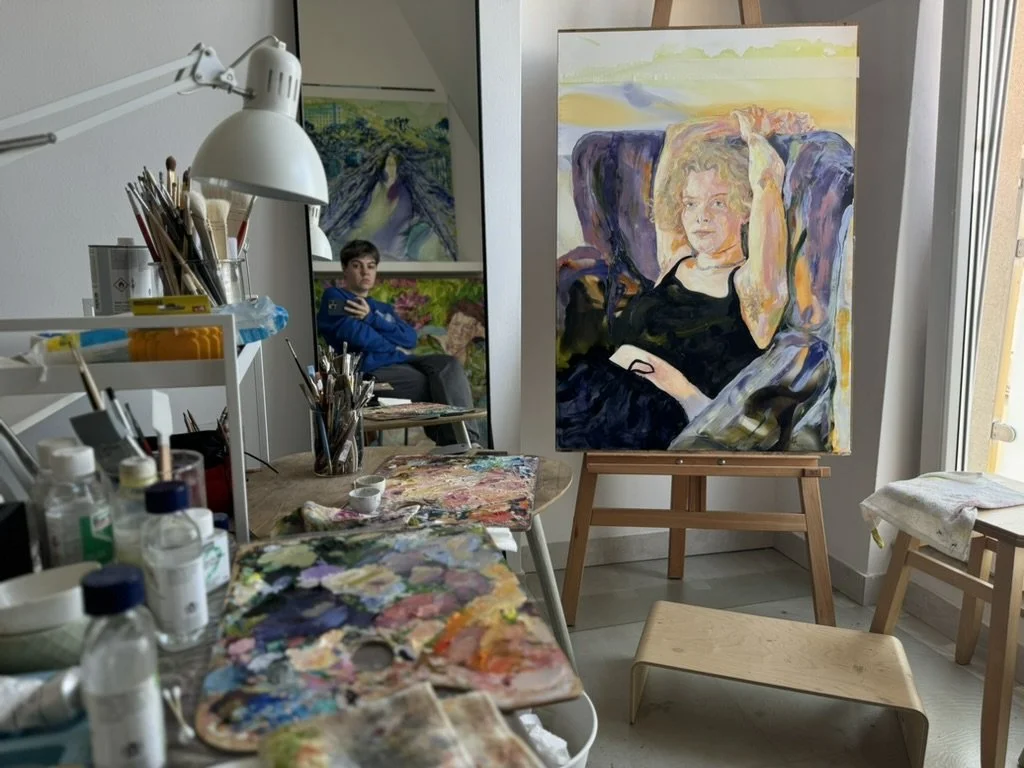
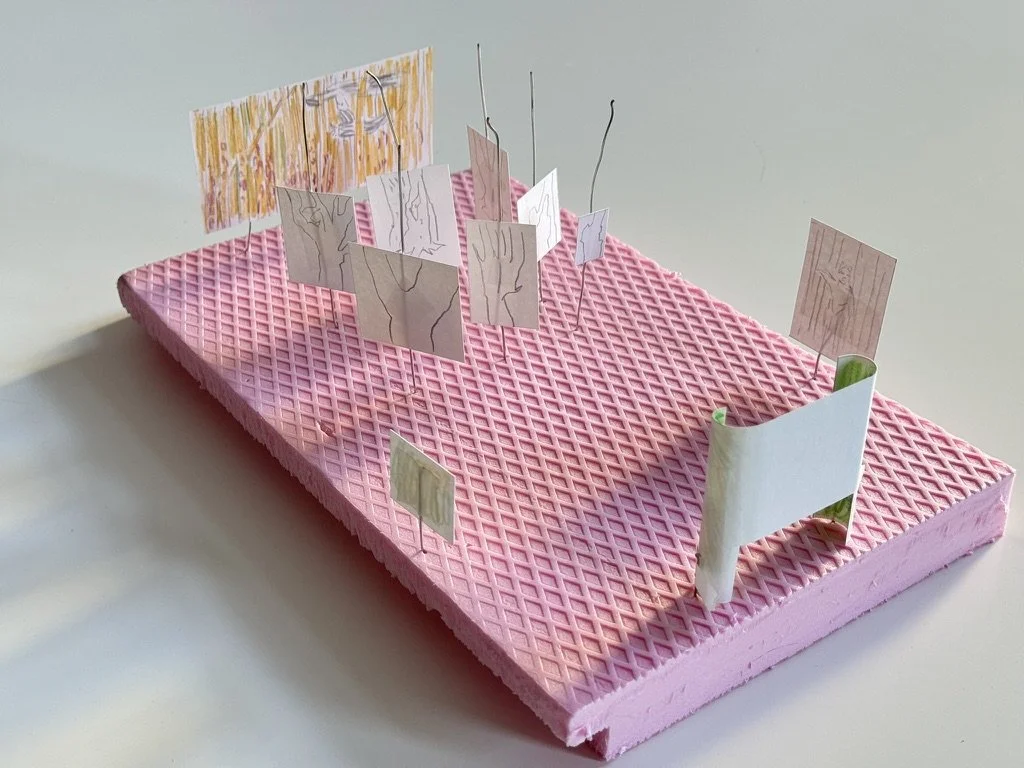
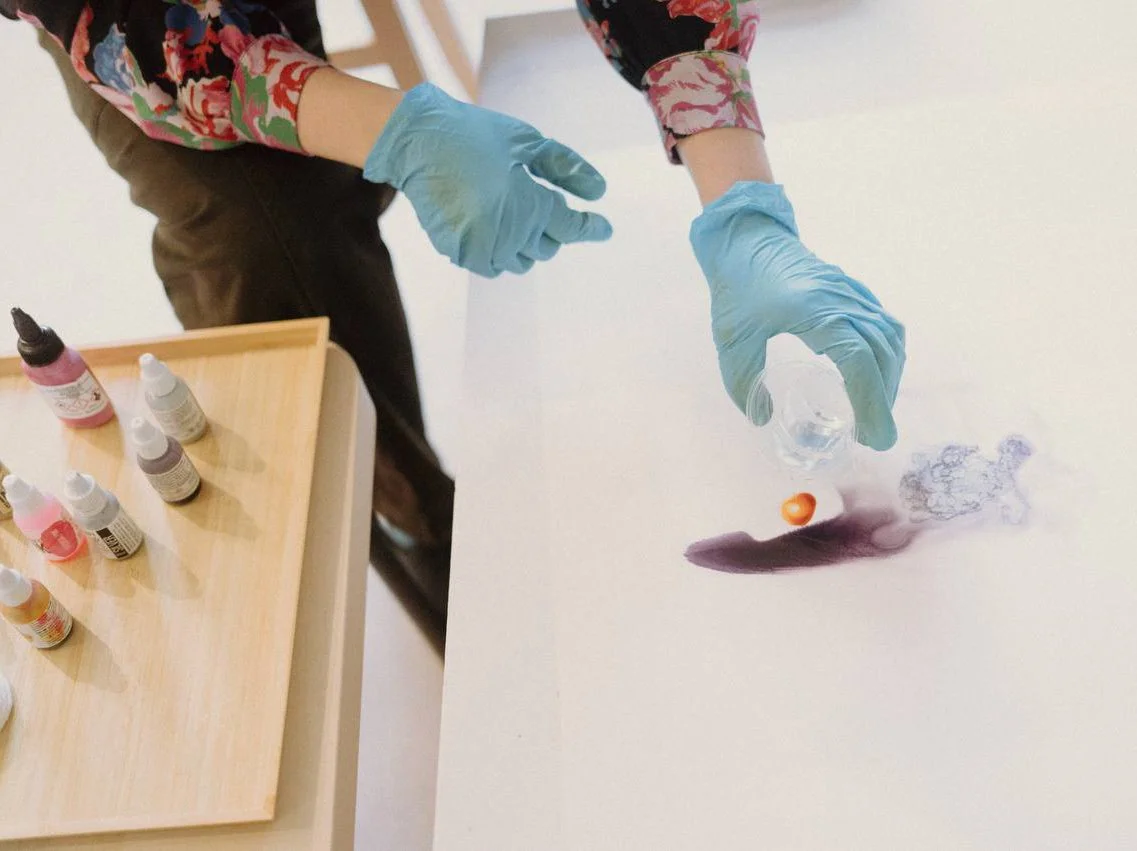
My work begins with research and with thinking an idea through in depth. I feel comfortable spending about a month on a work, and I like to work on several pieces in parallel, so that I have time to step back, consider the next steps. I almost never make preparatory studies for a final work and usually limit myself to a small compositional sketch, but I do make many independent studies in which I develop certain methods and subjects. So the painting takes shape in the process, and I follow that process as it unfolds. This process includes searching, reworking, and experiment, so I prefer materials that allow for that kind of freedom. I like to dissolve and split material into its basic particles. I experience this both as a liberation of the material and as a way of sharing responsibility with the universe.
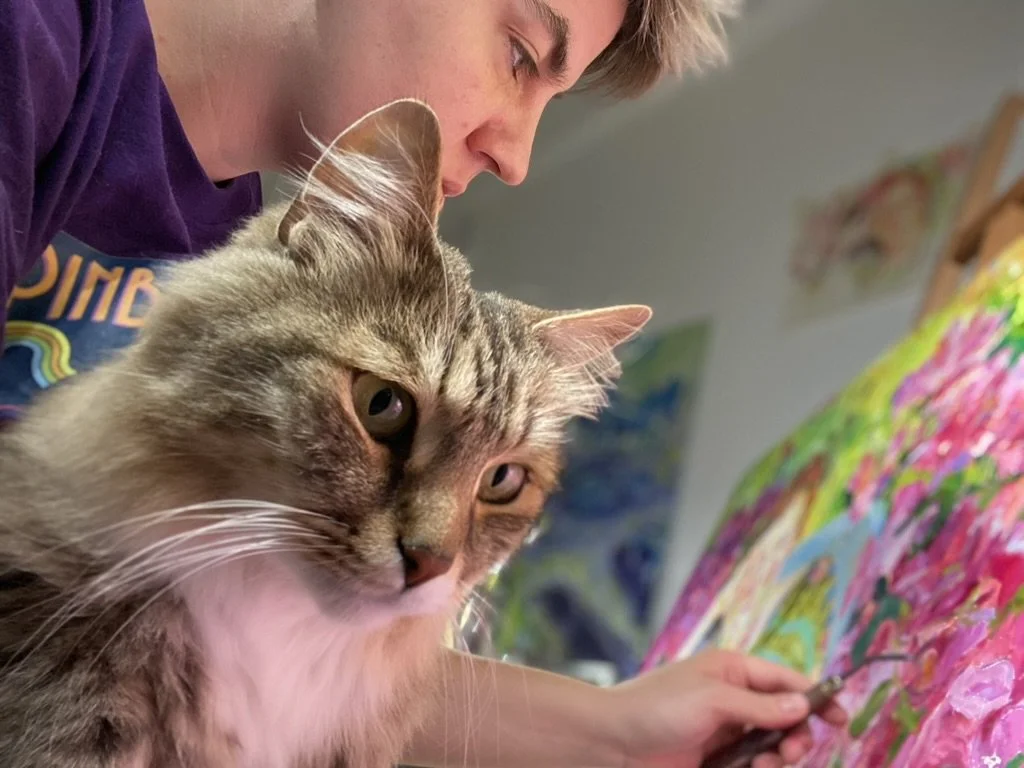
1 – Working on a portrait of my friend / 2 – Process of working with alcohol ink and mirrored plastic / 3 – Model-sketch for a project in development / 4 – Teaching an alcohol ink workshop / 5 – Working with my studio’s guardian
Influences
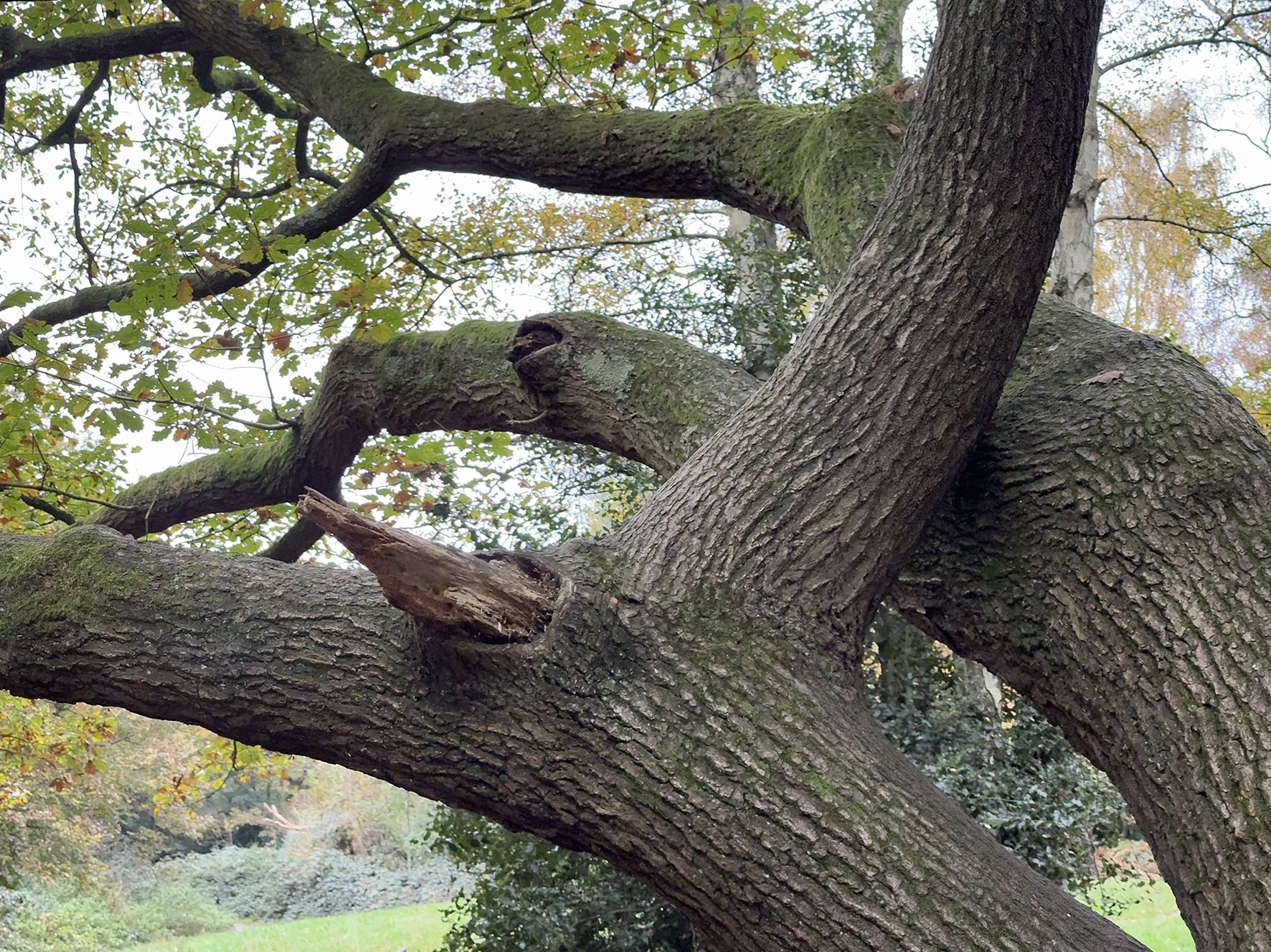
My inspiration comes from two directions: observation and collection, and spiritual or theoretical reflection. It comes from visiting art museums and from observing nature and people. For example, over the last year I have been collecting photographic material for a future series of tree portraits. I am also very interested in studying art through art itself, and I am inspired by artist-thinkers such as Picasso and Richter, as well as by art historians, and curators such as Aby Warburg, Leo Steinberg, and Hans Ulrich Obrist. These two kinds of inspiration give me a foundation for work that brings together what is alive in the present and what has already been thought through by culture.
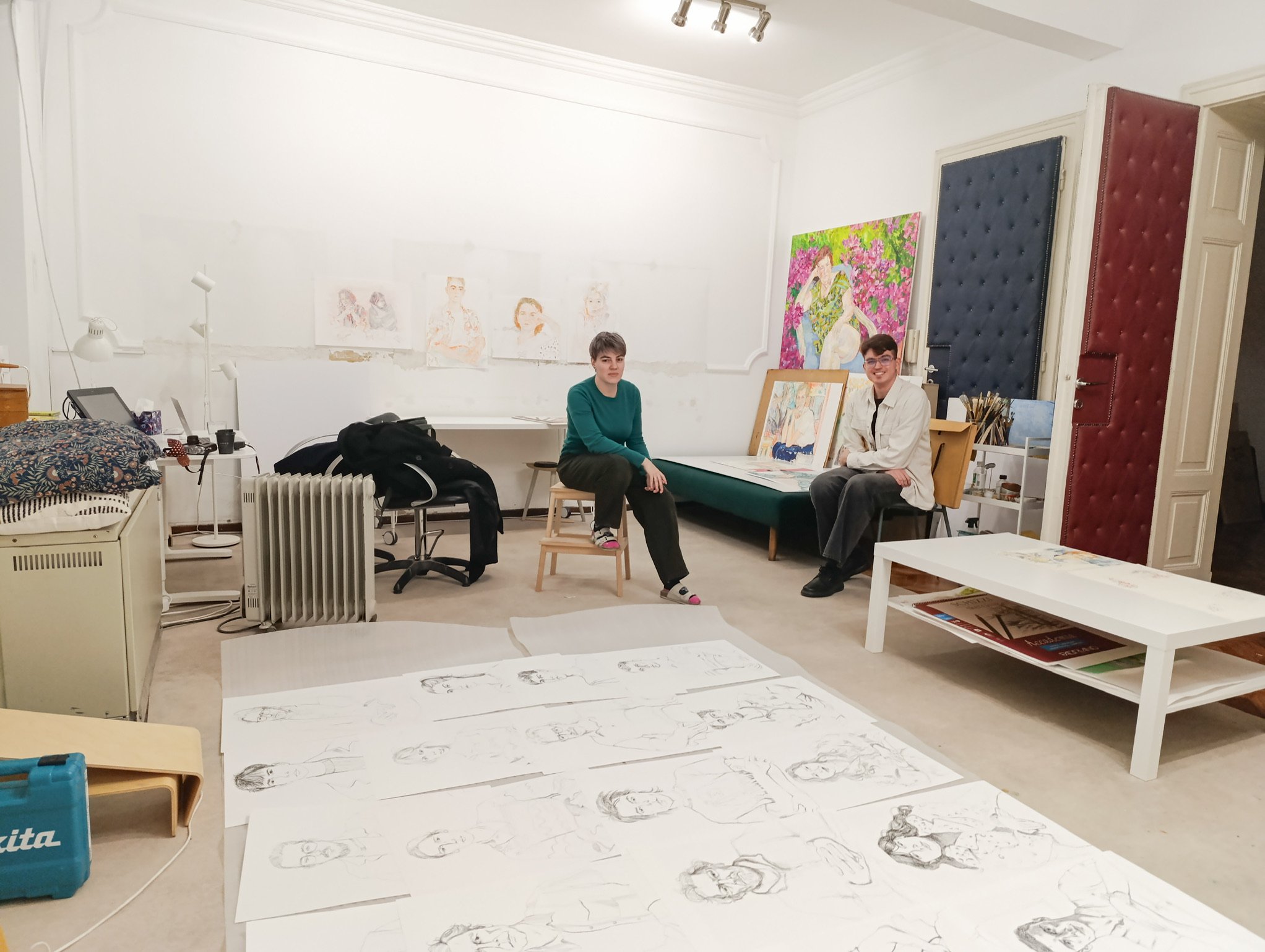
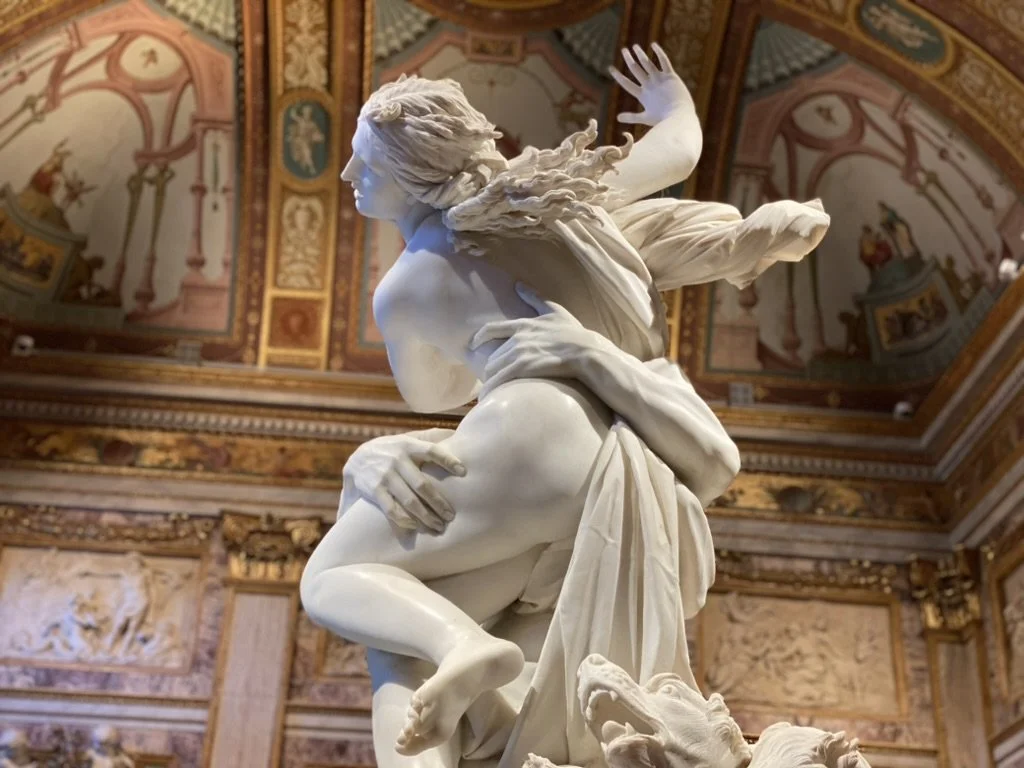
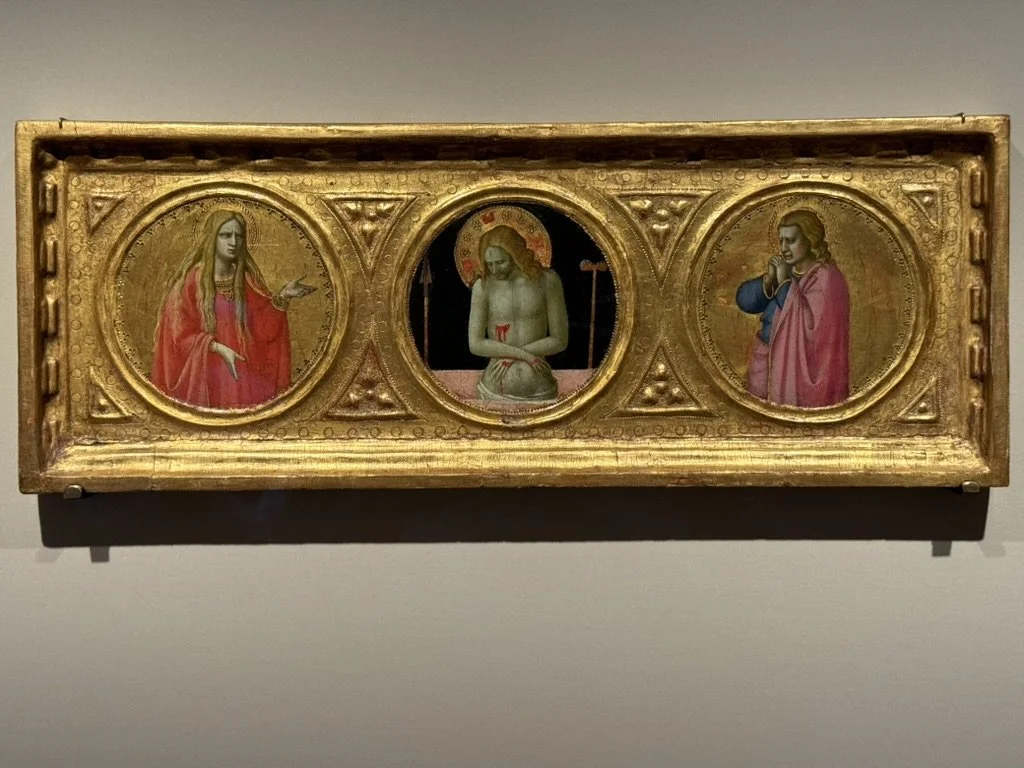
1 – A book on Aby Warburg’s Mnemosyne Atlas project / 2 – A tree portrait in a London park / 3 – Selecting works for a joint exhibition with the Serbian artist Filip Savković / 4 – Bernini’s Rape of Proserpina at the Borghese Gallery / 5 – Fra Angelico, St Peter Martyr Altarpiece predella, at The Courtauld Gallery
Challenges
I have learned that it is very important for me to give myself space. When one thing is not working, I switch to something else. If the work itself is not moving, I can work on my website or statement, look for exhibition opportunities, discuss possible collaborations with other artists, or do research. At the same time, stability is essential to my productivity, so the rule of “15 minutes a day, every day” really works for me. A very important turning point in my practice was getting a separate studio. Before that, I used one room in my apartment as a workspace. It completely changed my rhythm of life, my working process, and my feeling about work. Having a space where I can spread out, work on several projects at once, not worry about getting paint on the walls or floor, and invite friends to co-work with me has been invaluable. What helps me keep a rhythm and also rest is very simple: enjoying a sunset, petting my cats, going for a walk after work.
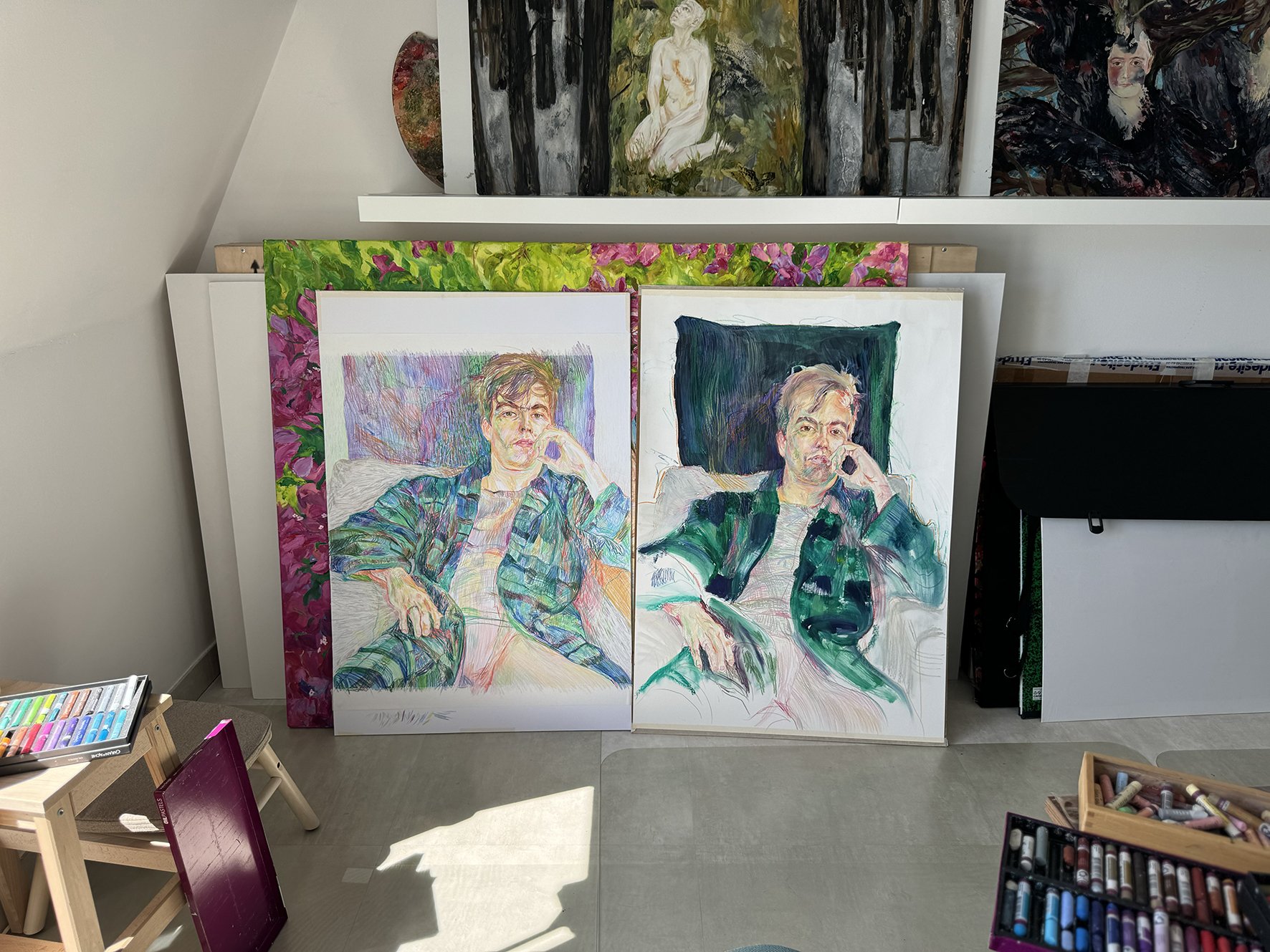
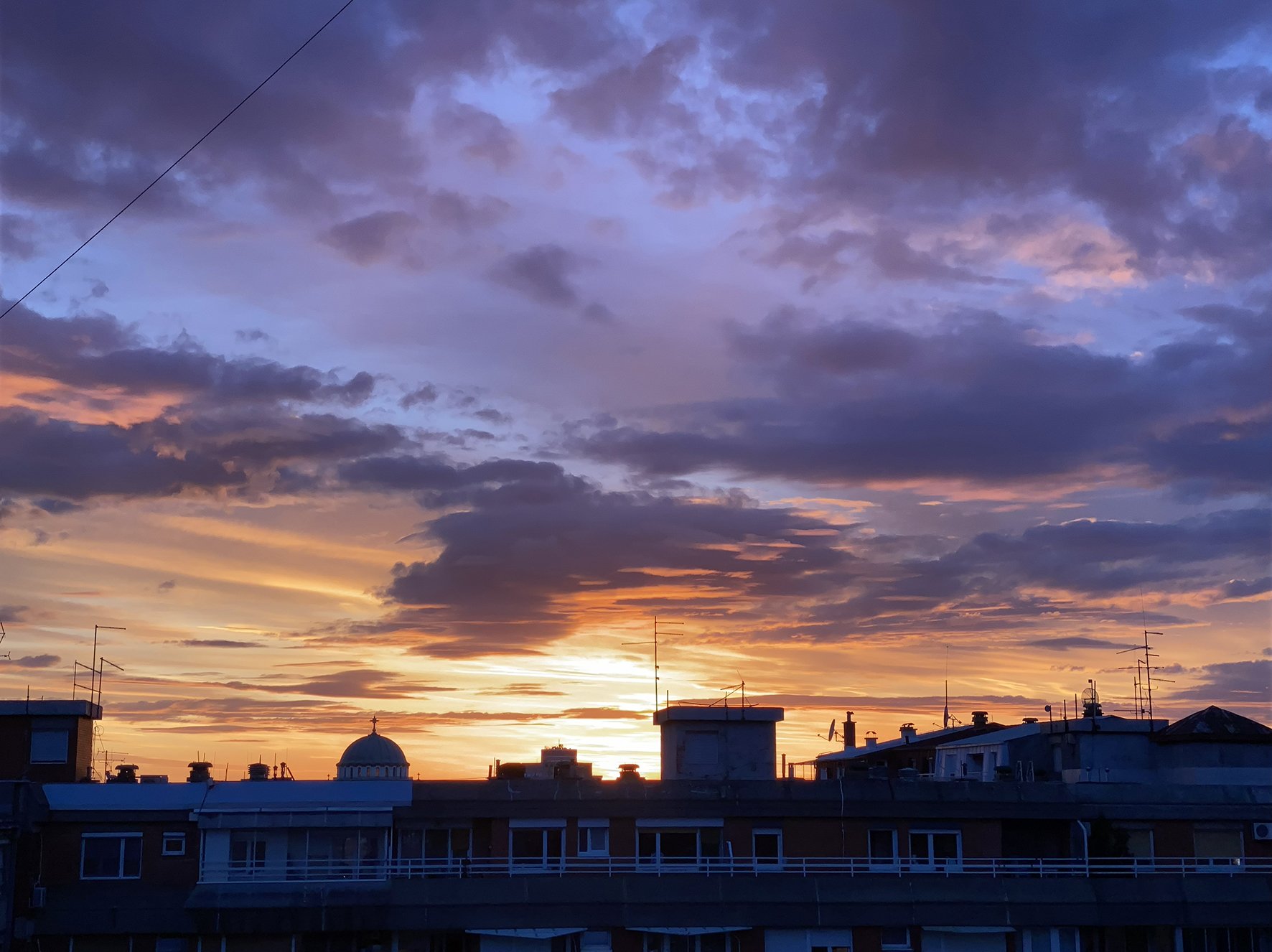
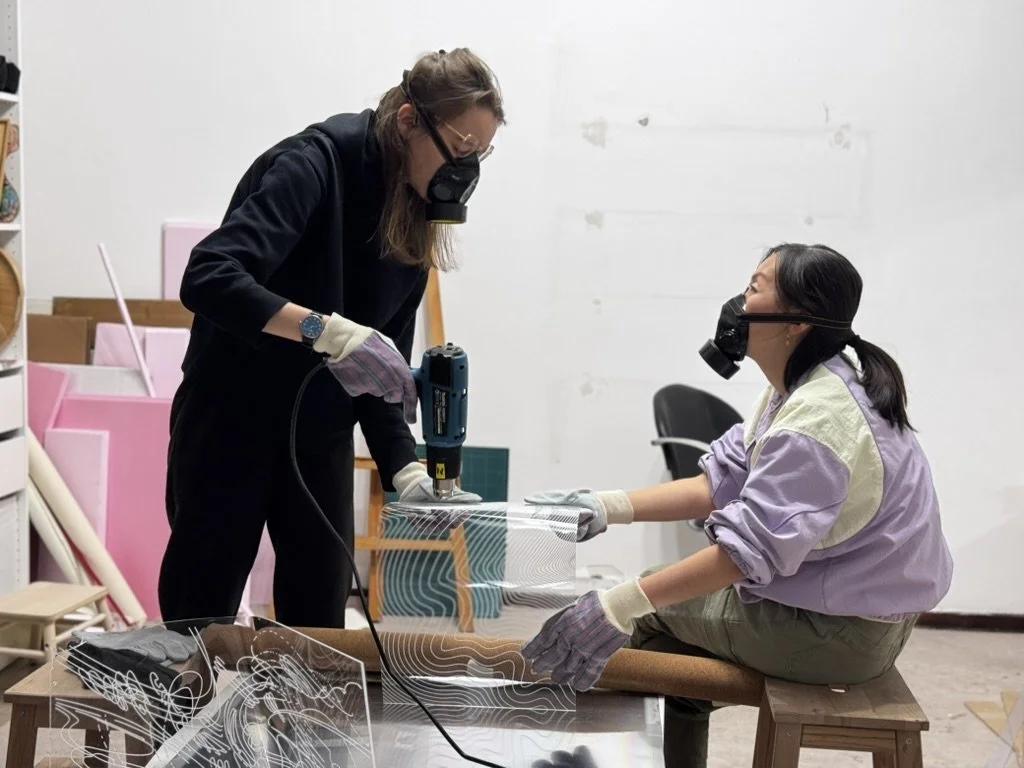
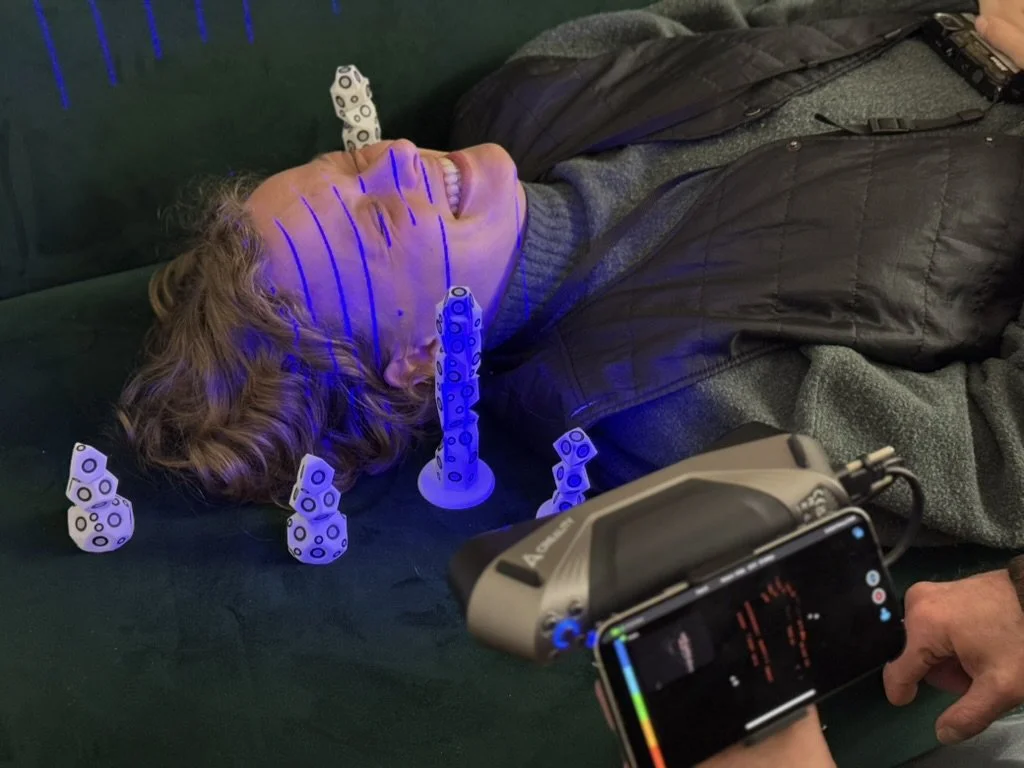
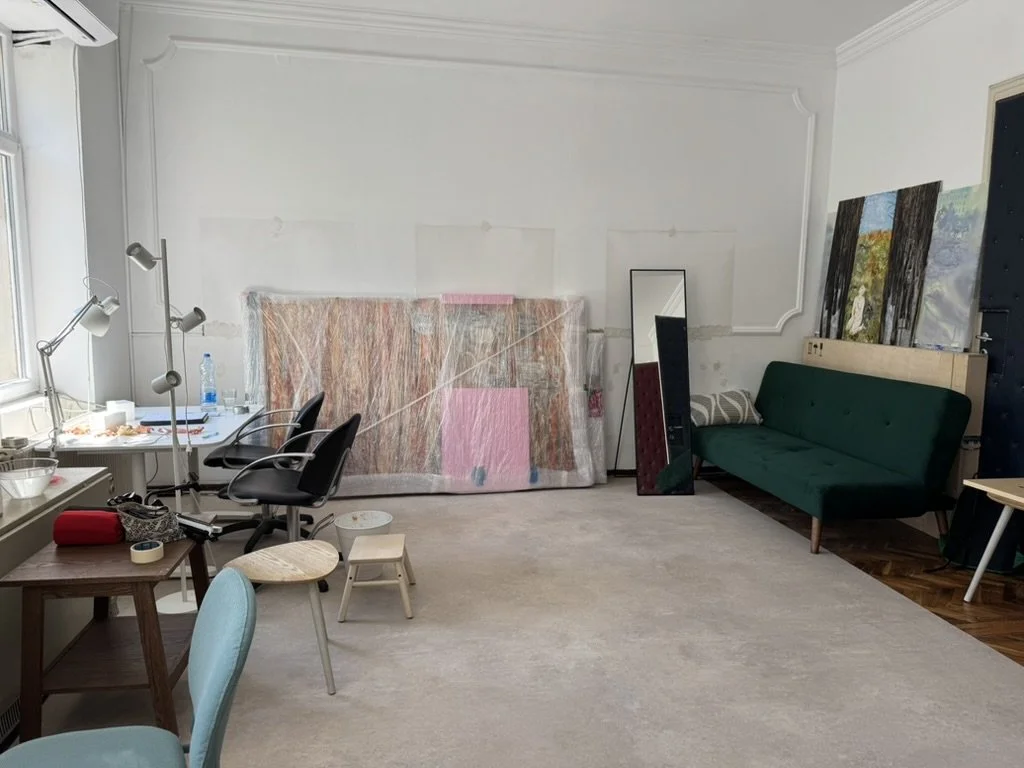
1 – An example of experiments gone wrong: on the right, a work that reached a dead end; on the left, a more successful version in progress / 2 – Sunset view from my apartment / 3 – Friends co-working with me in my studio / 4 – Exploring a 3D scanner with my father and friends / 5 – My newly set-up studio
Reflection
Constructive relevance matters to me: when my work becomes meaningful to a growing number of people and, in one way or another, expands their experience. If this goes together with professional recognition from the art community and with being included, as an artist, within its shared frame of reference, that is real success for me. The most valuable thing I have learned is not to keep banging my head against the wall. If something is not working, or if I cannot make myself do it, forcing my way through usually only wastes more energy. It is important to remember that a large part of an artist’s work happens inside the mind and leaves no visible result for a long time, but without that part, the process cannot move forward.
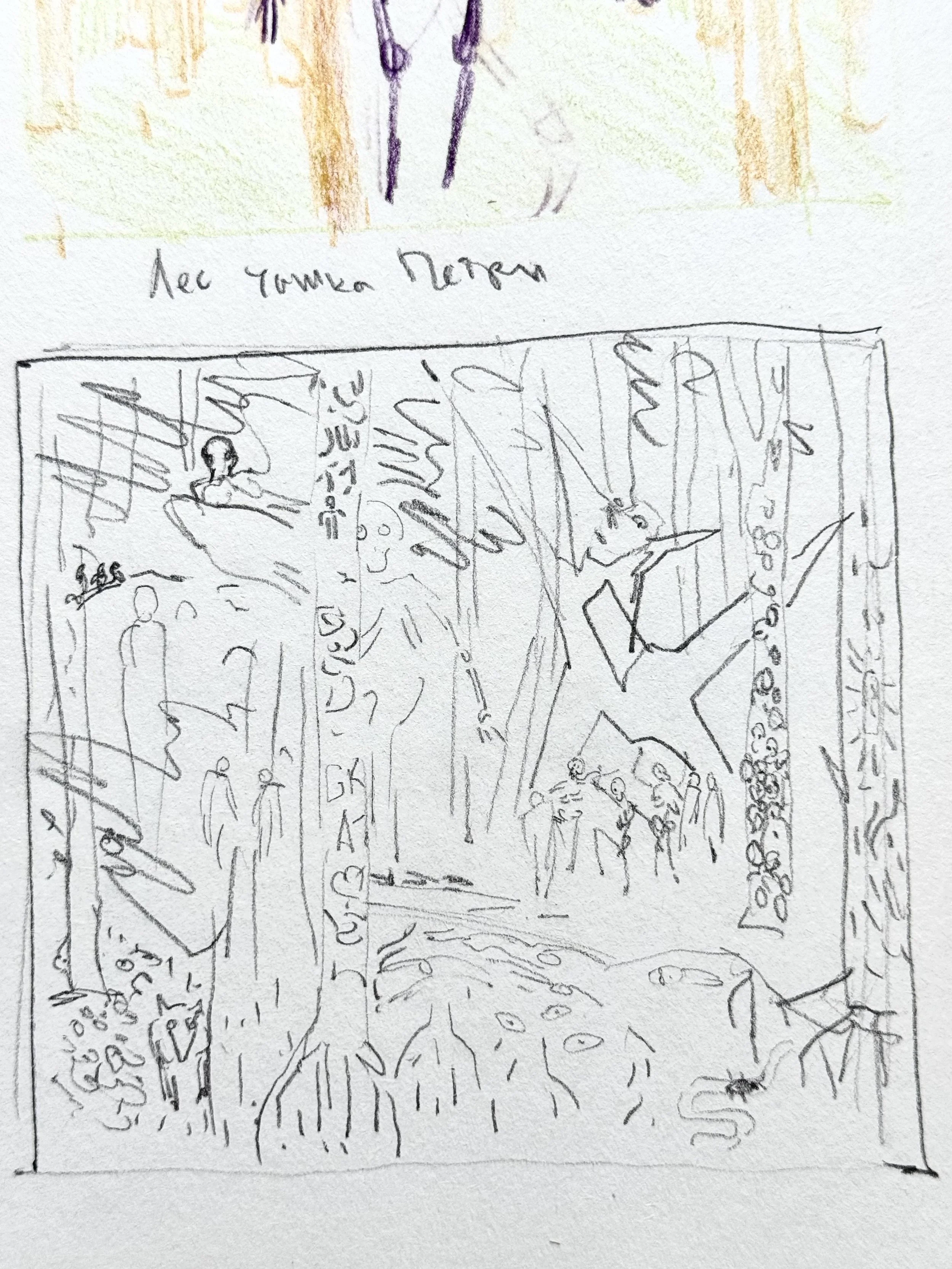
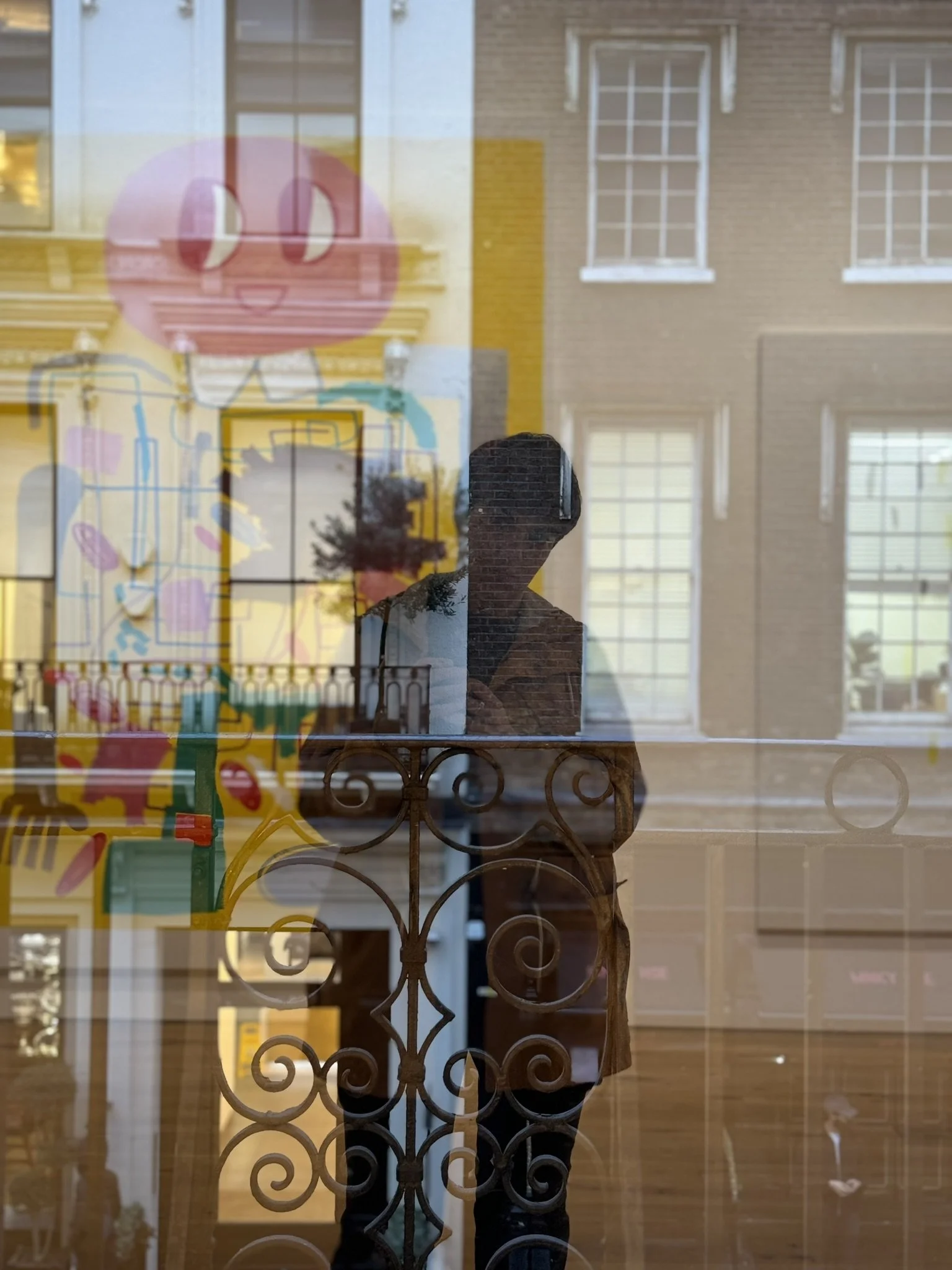
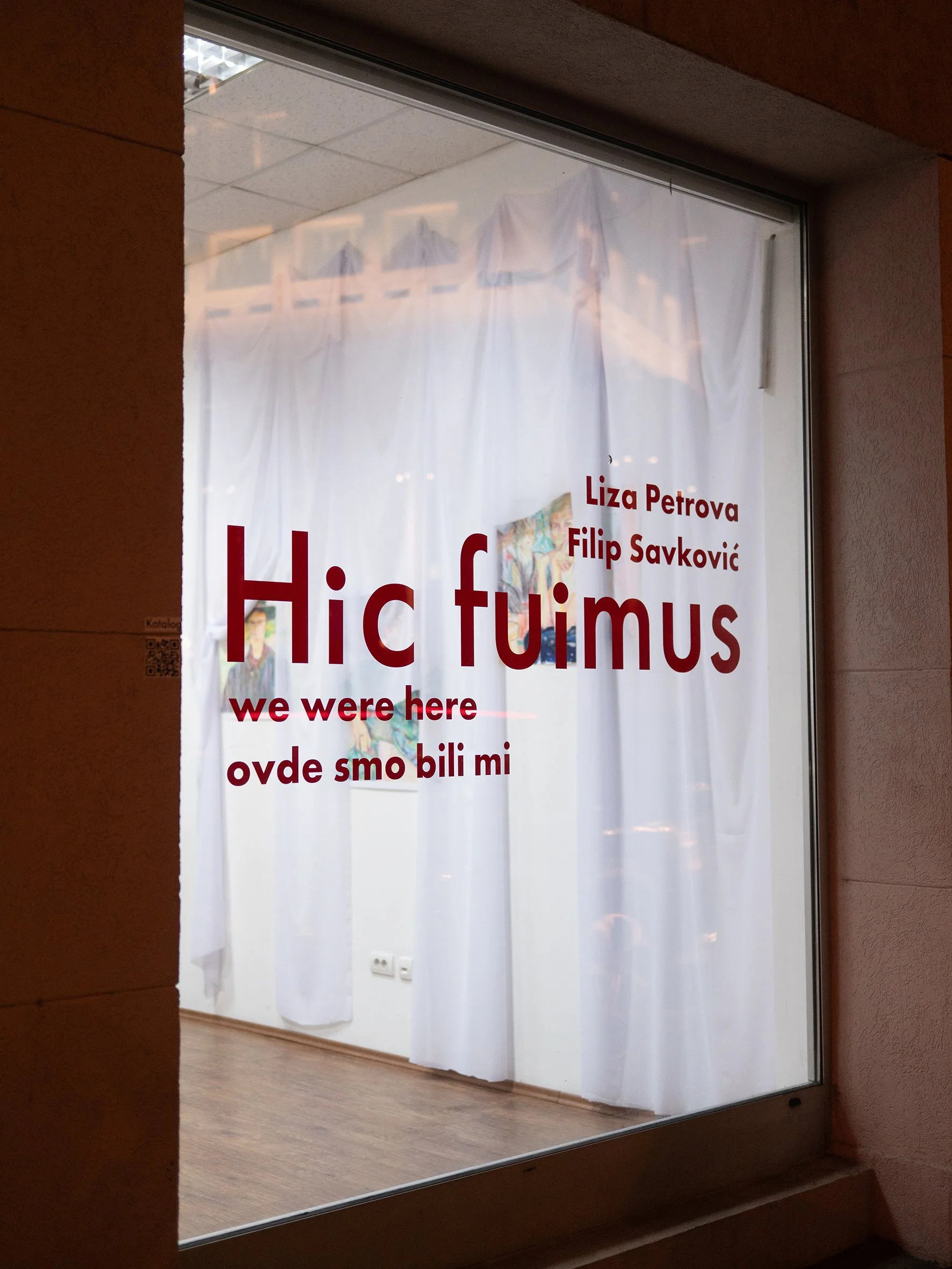
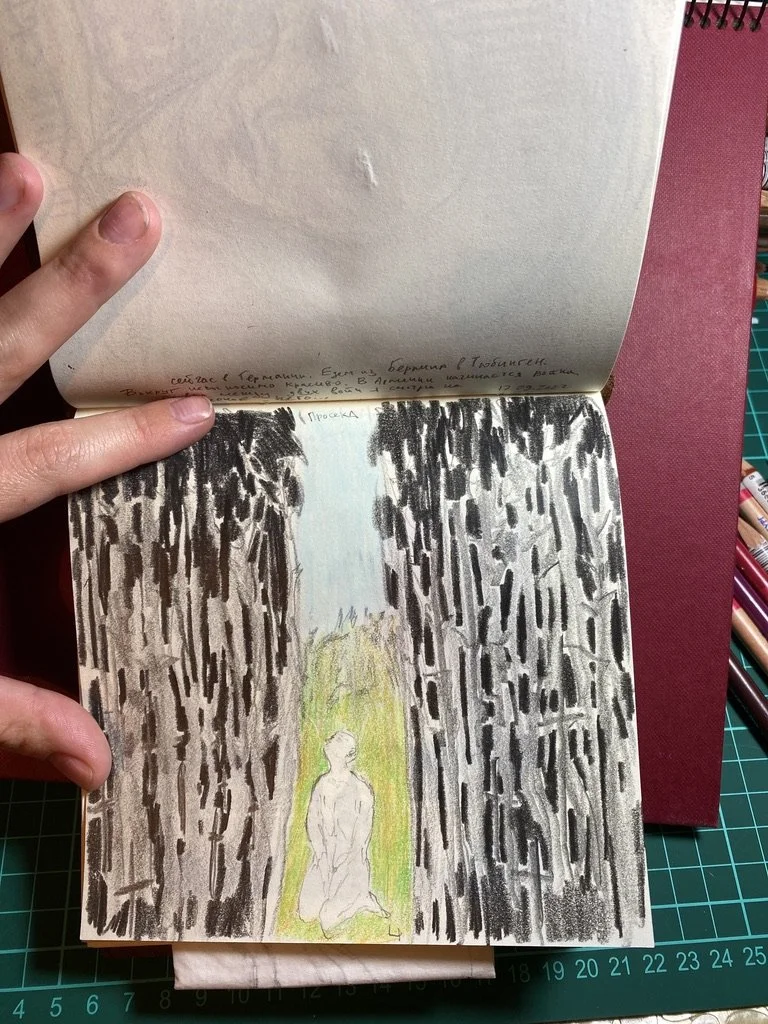
1 – Sketch for a future work / 2 – Sometimes I play art pilgrim, for example to London, and spend days visiting contemporary art galleries; here I appear in the reflection of the windows at Max Hetzler Gallery / 3 – The storefront of my duo exhibition in Belgrade / 4 – A sketch for a future work in my travel journal / 5 – With a visitor at an exhibition opening