Lael Reiss
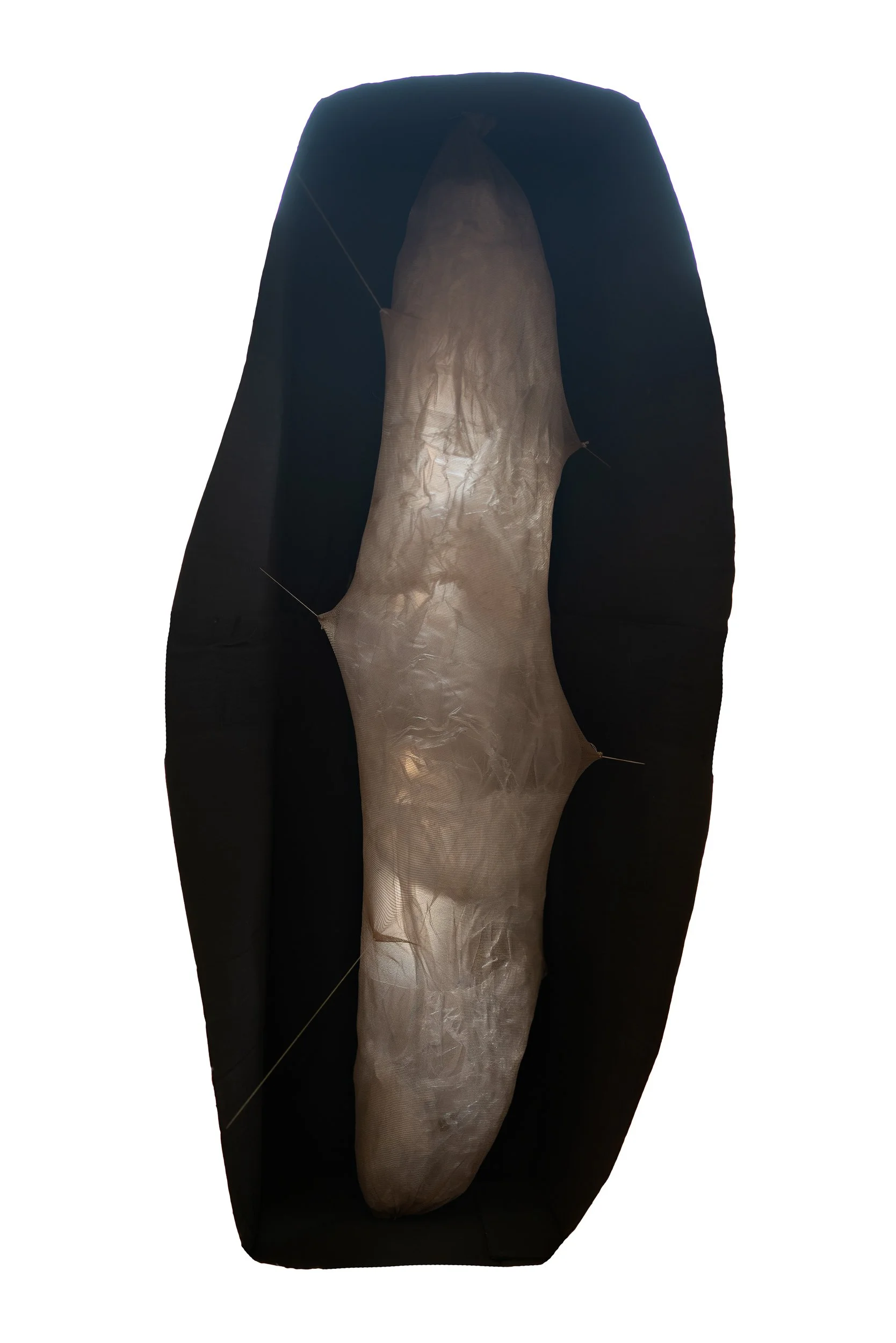
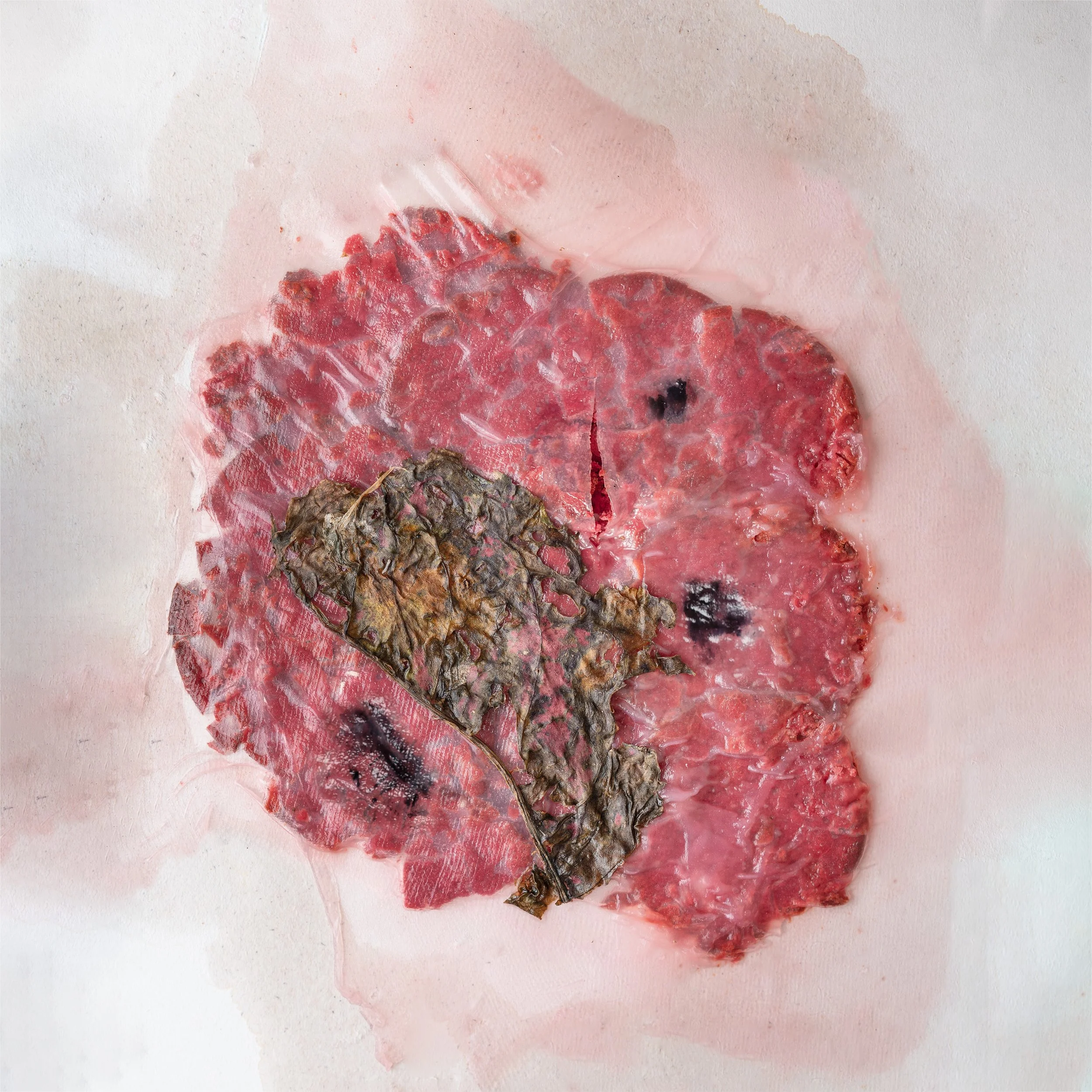
Hi everyone! I’m Lael Reiss, originally from Israel and currently based in London. My practice is deeply rooted in exploring the human body and the intricate relationship between our physical form and the psyche's internal journey. I’m fascinated by how the mind's inner struggles and experiences leave their tangible mark on the physical body and the skin—and, in turn, how the external world perceives these hidden landscapes. For me, the creative process is essentially a form of serious play. I gather materials that captivate me in the moment and start experimenting with them in the studio. I test their limits in different states, juxtapose them with the body, sculpt them, and photograph them. It’s a process of continuous trial and error, a tactile conversation where things slowly begin to coalesce. In this fluid space between mediums, the camera acts as an extension of my hand—blurring the lines between a sculptural gesture and a photographic act. Excited to share more of my world with you this week!
Process
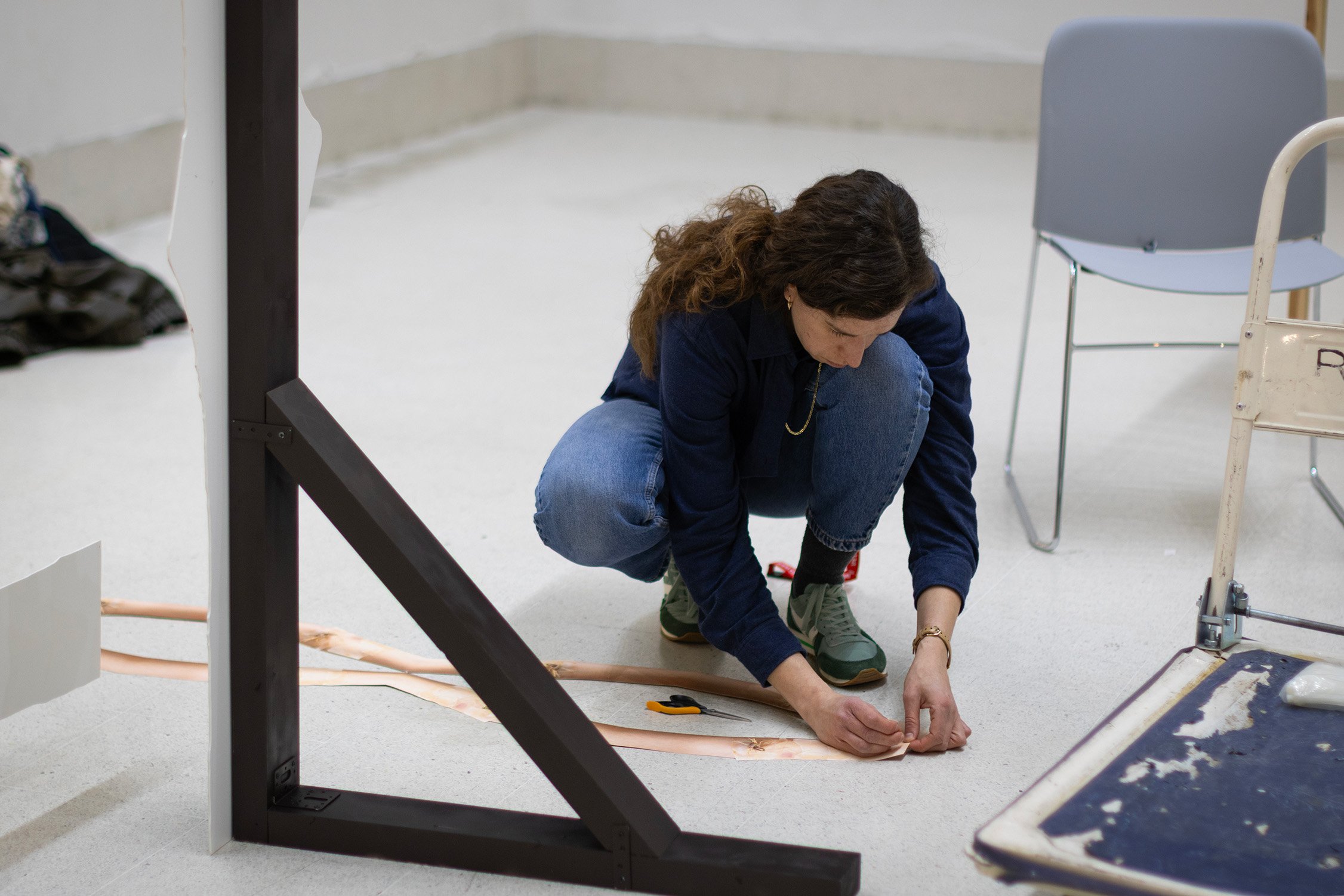
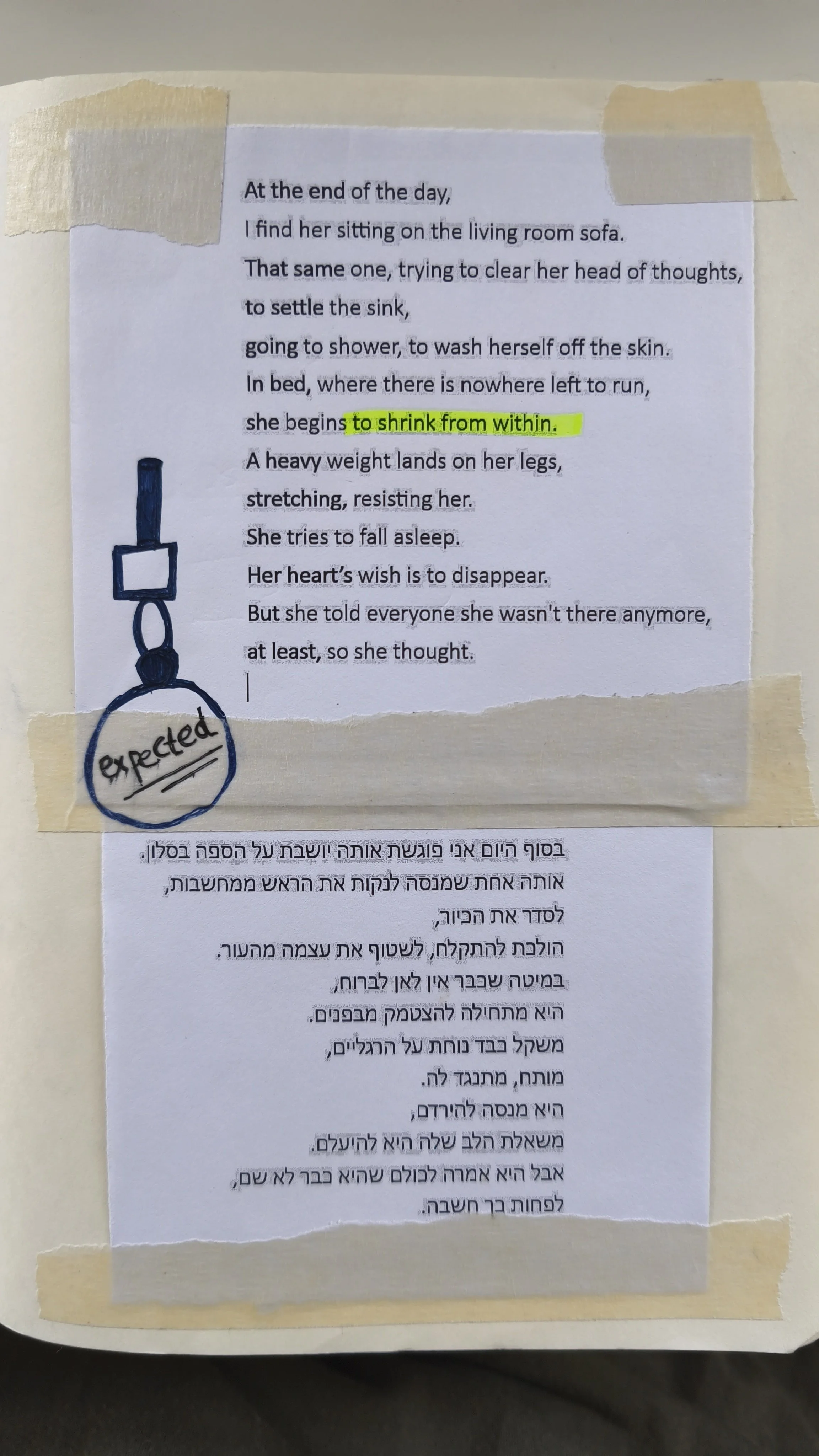
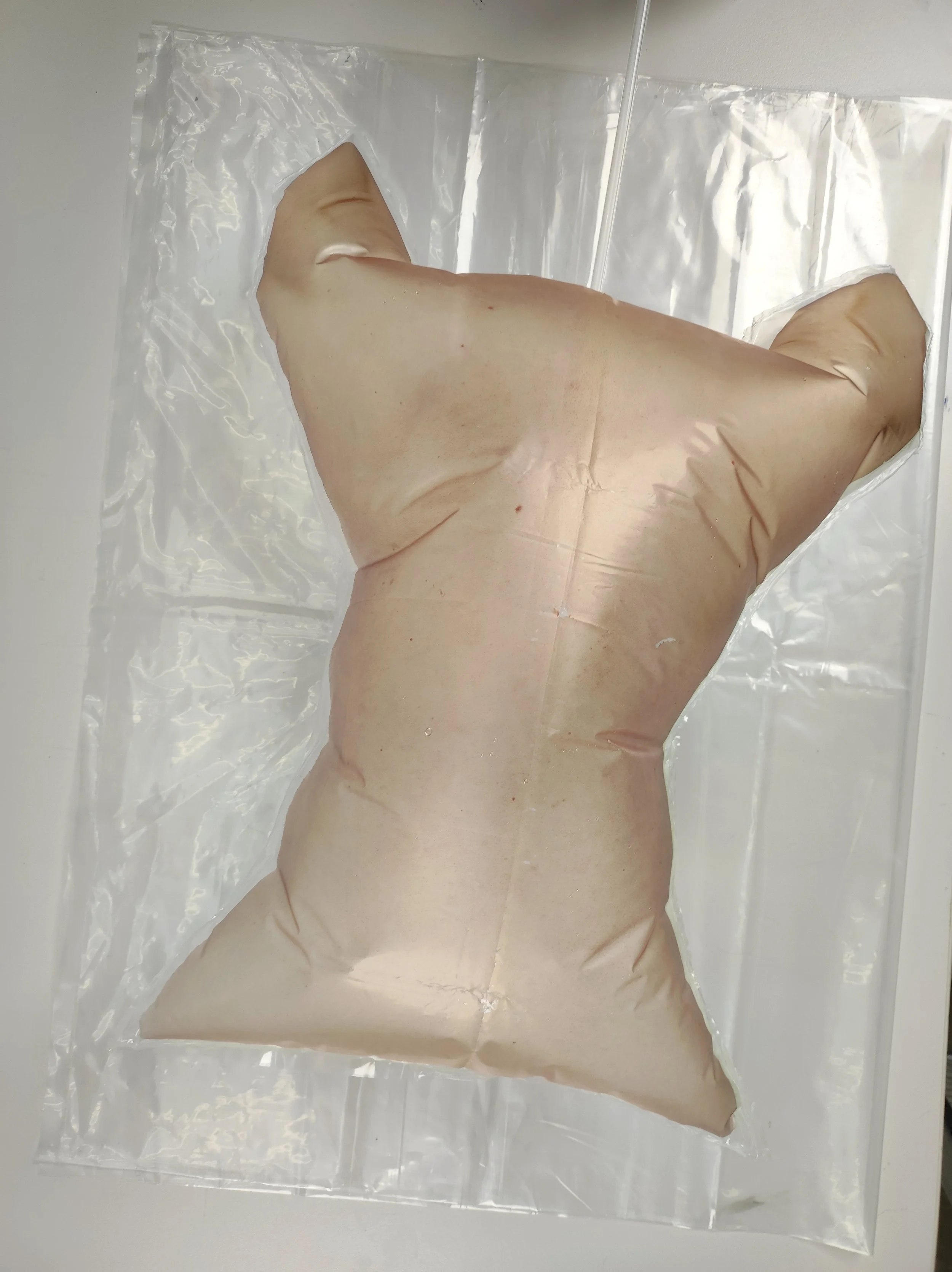
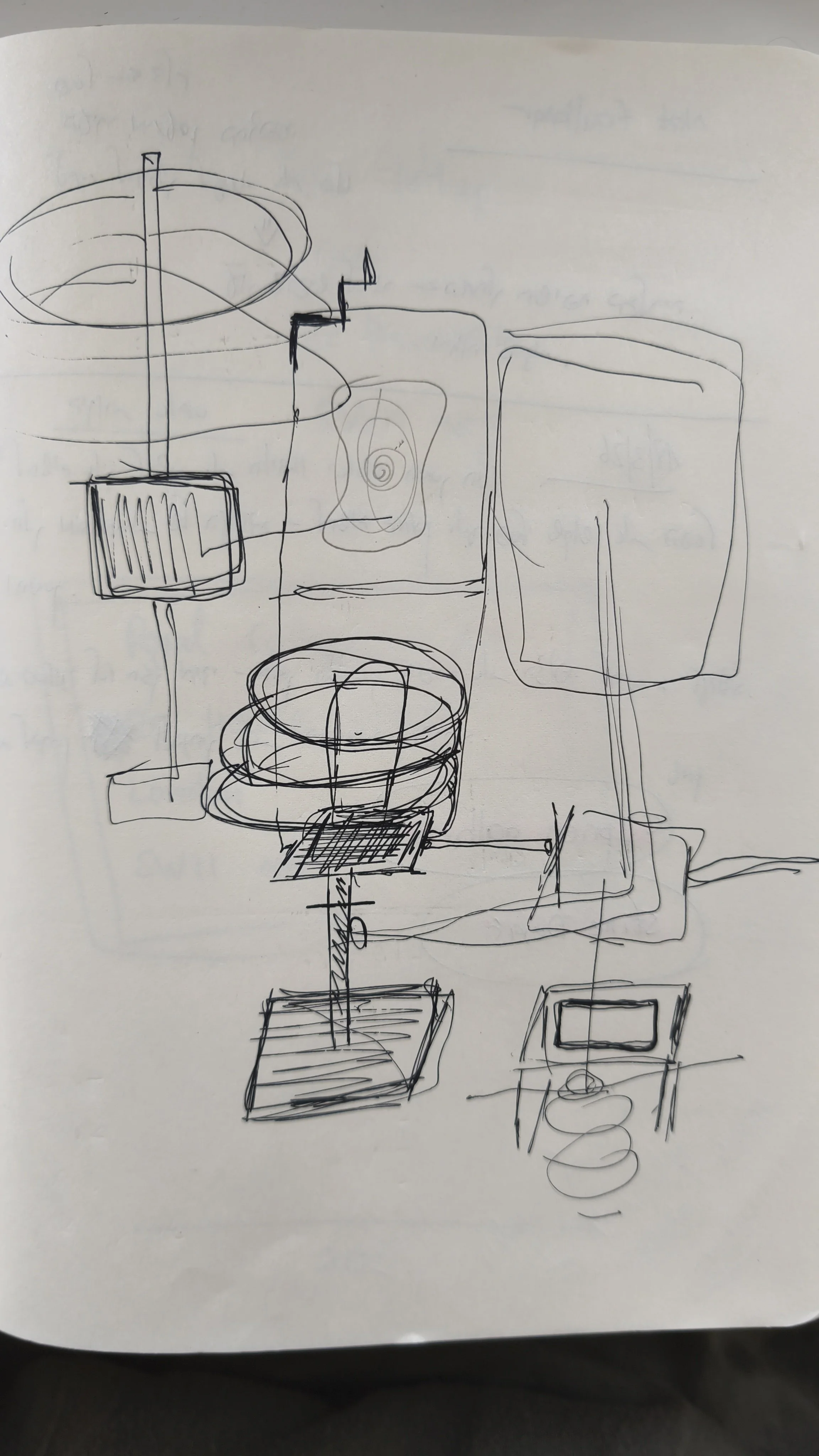
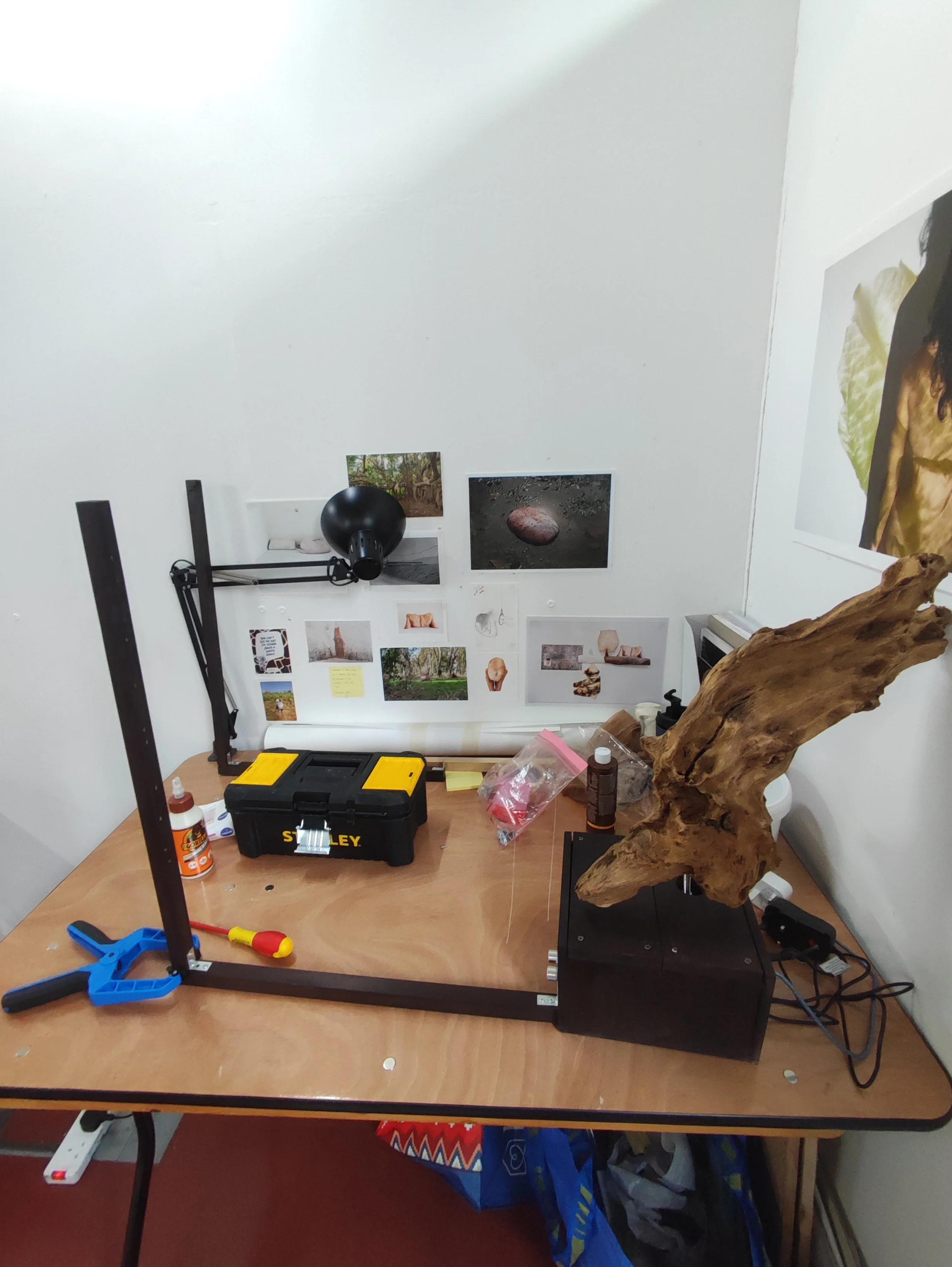
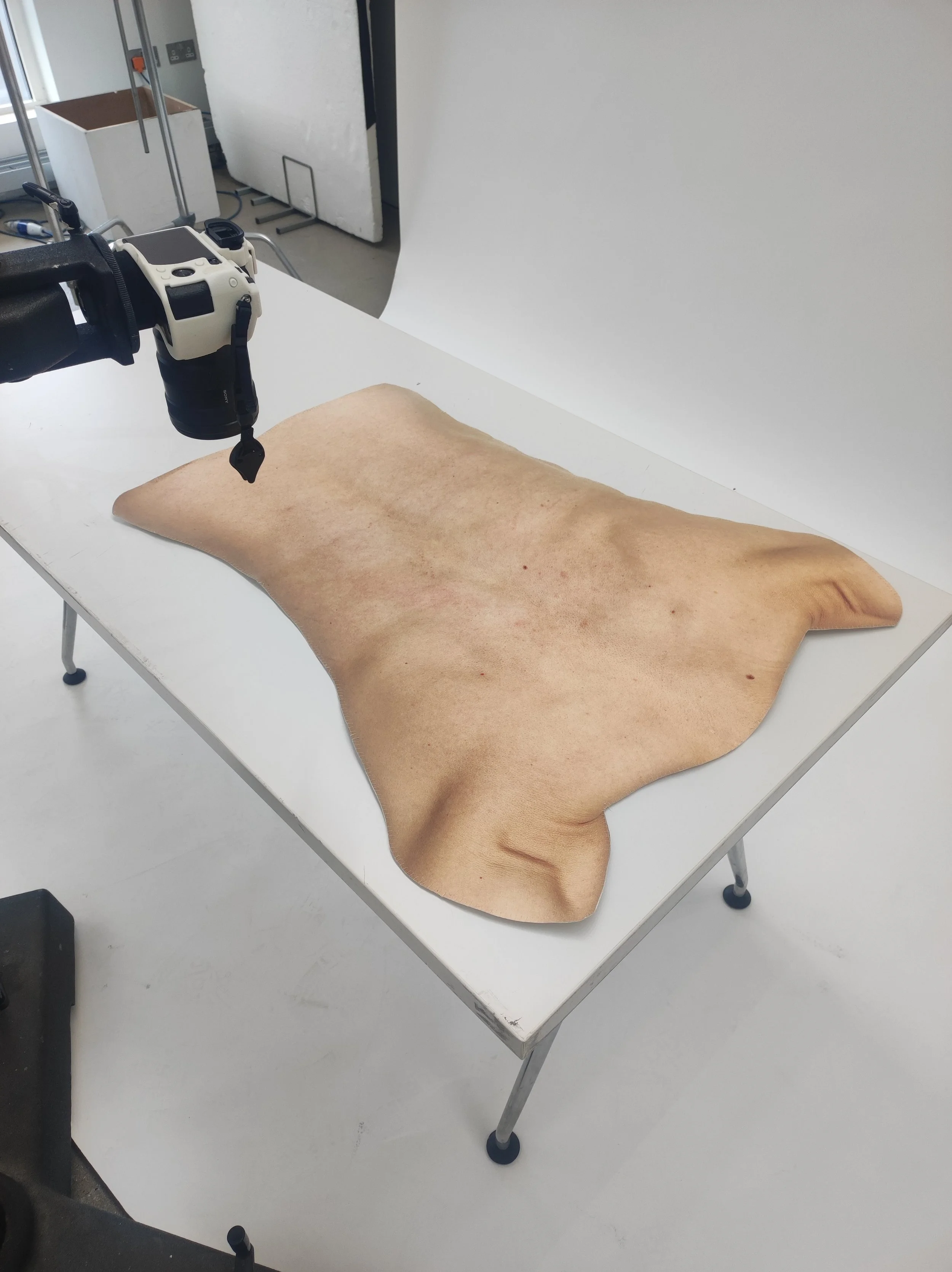
My days in the studio are dynamic and constantly shifting. A typical day doesn’t really exist; rather, there are different modes of being. Some days are purely dedicated to gathering photographic material—I’ll isolate myself with the camera and document fragments of my own body to build an archive of imagery to work with. Other days are tactile, spent sewing and fabricating physical objects depending on the material I’m exploring at the time. And then there are days reserved entirely for research, reading texts, and diving into theory. But if there is a core ritual that anchors my practice, it’s writing. Intuitive writing is almost always my starting point. The moment an emotion overflows or a thought consumes me, I write it down—in my phone, in my sketchbook, or in a private WhatsApp group I keep with myself. It could be a two-word fragment, a single sentence, or a whole stream of consciousness. This text is what sparks my studio action; a pair of words or a conceptual thread becomes the catalyst. From there, the "play" begins as I try to figure out which material and which composition can accurately hold that feeling. If there’s one thing I constantly have to remind myself, it’s to do. The moment a concept or a compelling direction starts creeping into my mind, I force myself to pick up the camera and move. For me, action is the only way to transform an intangible thought into a physical, living piece.
Influences
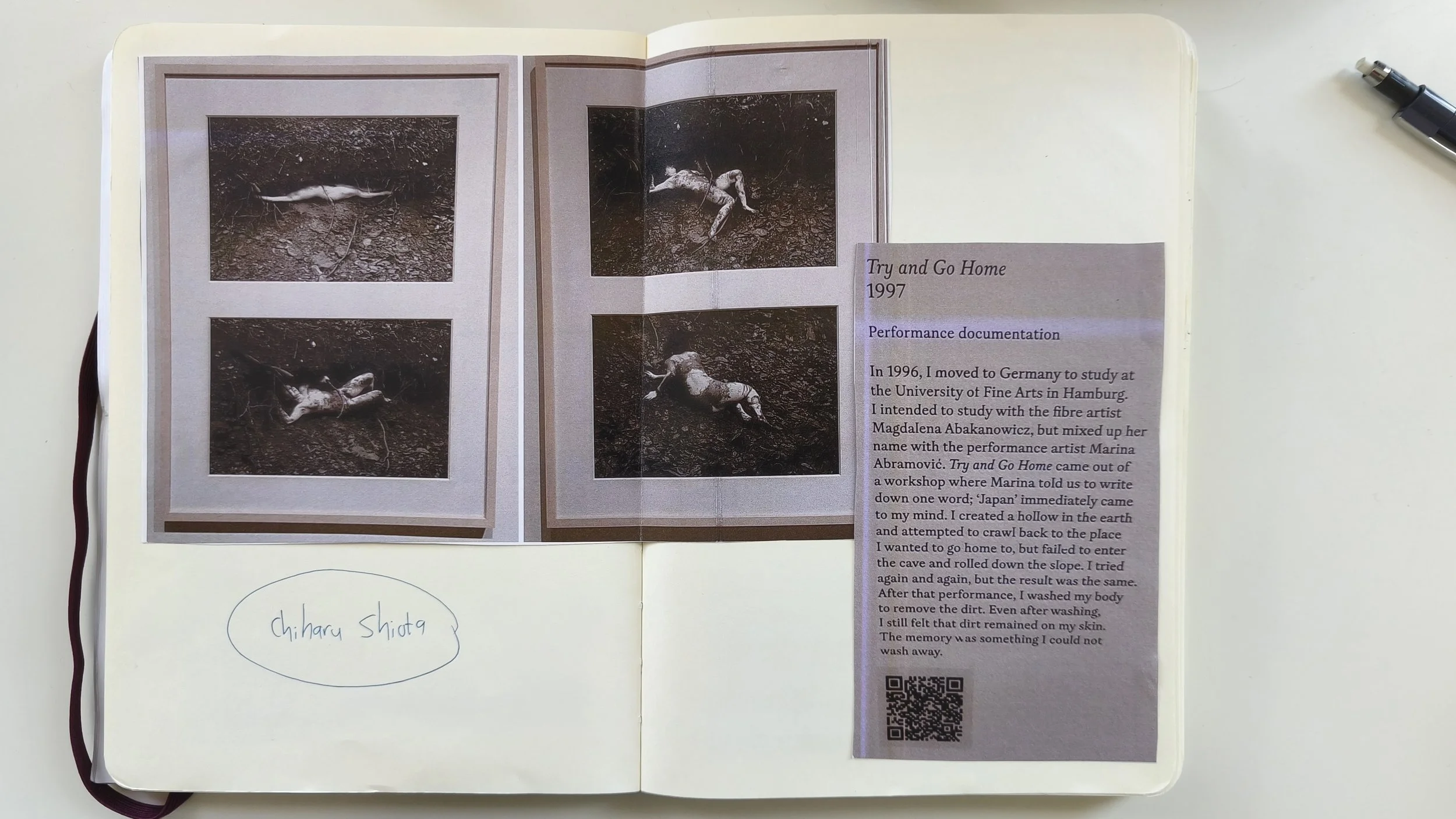
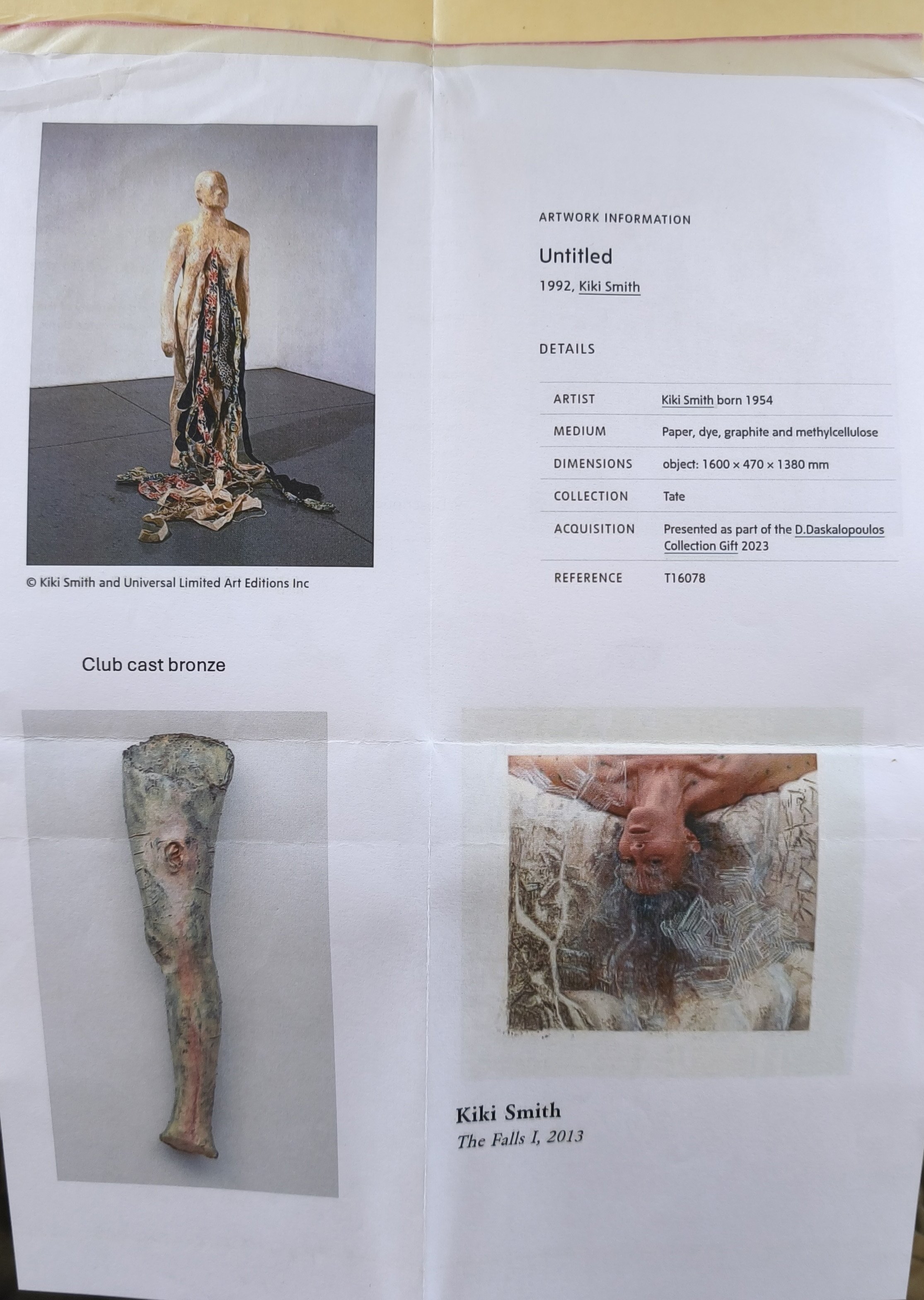
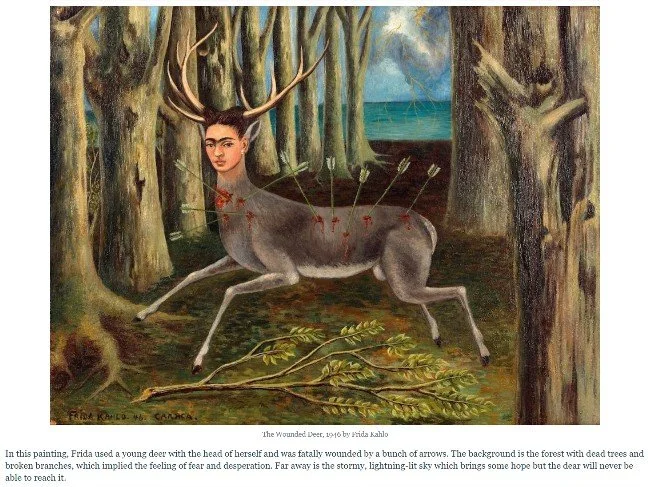
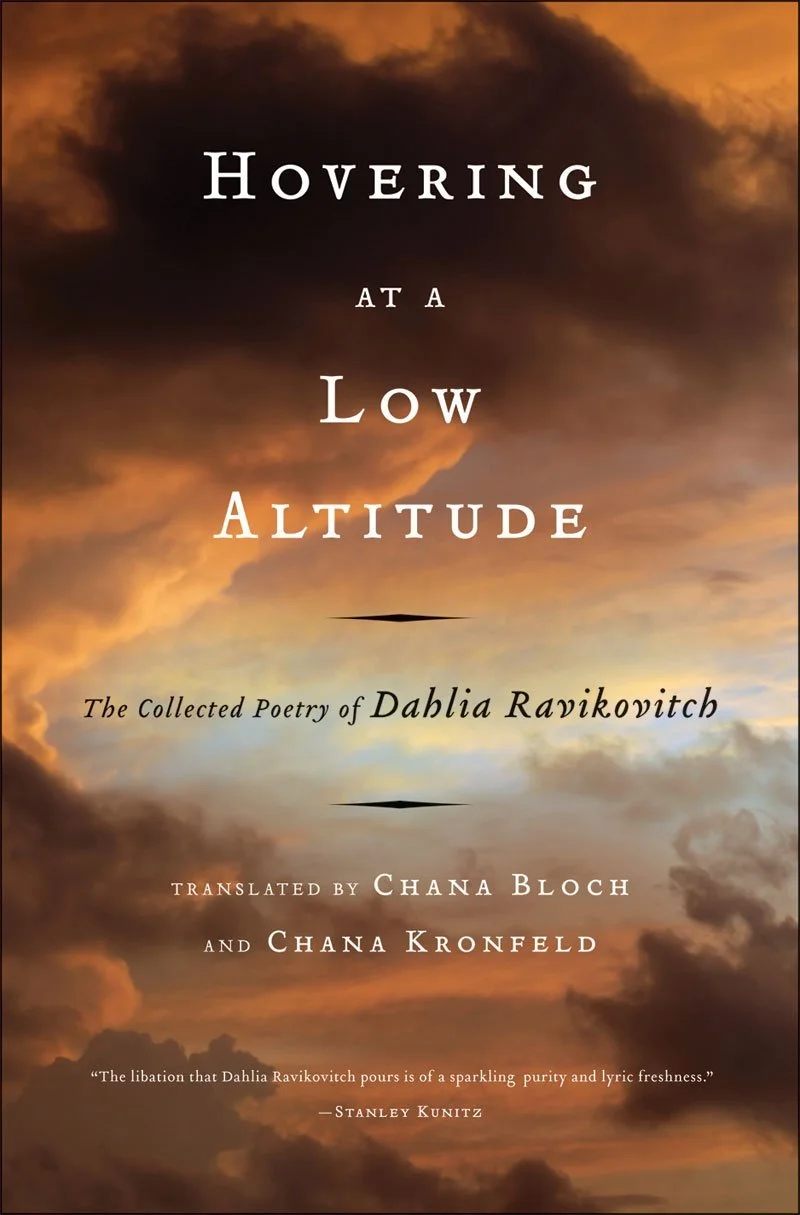
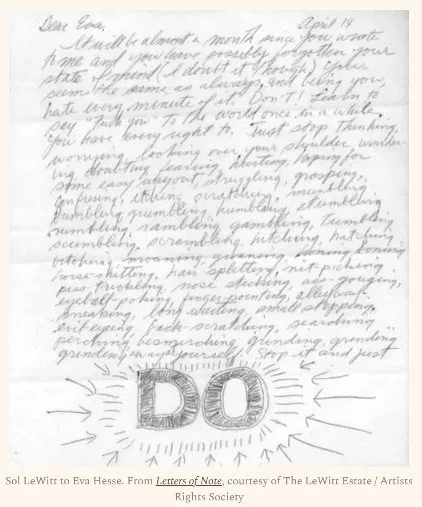
My inspiration is a collage of voices, imagery, and textures. Whenever I visit an exhibition or come across an artist whose work resonates with me—whether conceptually or through their use of materials—I print it out and keep it in my sketchbook. It becomes a tactile dialogue I carry with me. One of my foundational influences is Frida Kahlo. She famously said, "I never paint dreams or nightmares. I drove my own reality." I am deeply moved by her ability to bypass our defences and pull us into her most vulnerable, intimate spaces, using surreal imagery to depict reality exactly as she experienced it from within. Poetry also shapes my visual thinking, particularly the raw, evocative poems of Israeli poet Dalia Ravikovitch. But when I feel overwhelmed, uninspired, or completely disconnected from my practice, I look up at the wall above my closet. Hanging there is Sol LeWitt’s iconic letter to Eva Hesse—the one where he fiercely commands her to DO. When I lose my grip on my work and feel that intense friction of being stuck, I force myself to push through the resistance; I don’t try to invent something new. Instead, I return to the very last point where I felt capable; I repeat a simple action I’ve already done, or recreate a form I’ve already made. By engaging in that familiar, somatic repetition, I let the physical movement itself restart the creative engine and guide me back into the flow.
Challenges
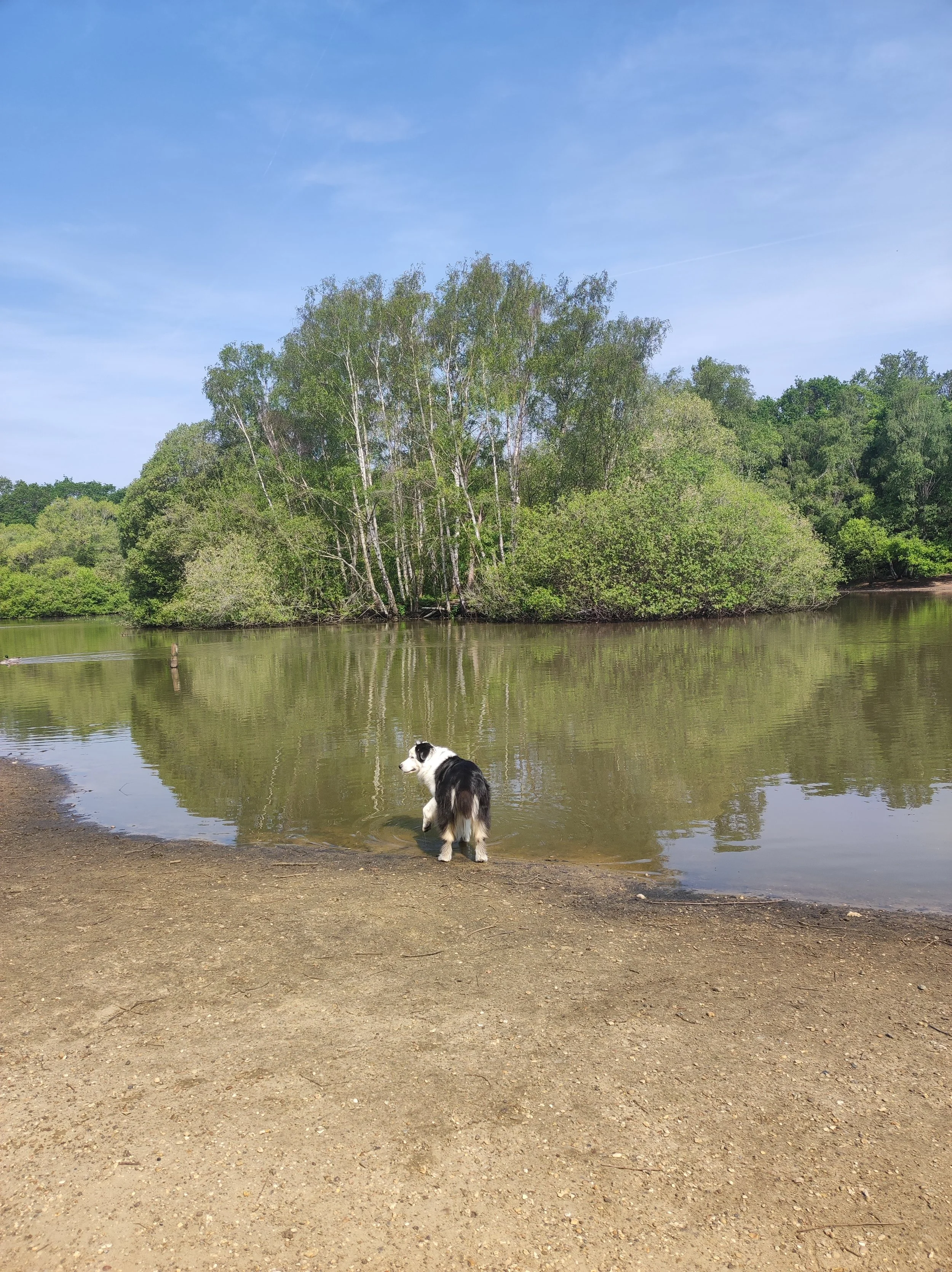
There are so many discarded works, invisible failures, and photographs hidden away in drawers. That is just the reality of the process. I can pour endless hours, emotional energy, and financial resources into materials, working for days in the studio, only for the entire endeavor to collapse into nothing. I don't have a magic secret for moving through these creative blocks or moments of intense self-doubt. Instead, I try to simply allow the frustration and the challenge to exist—to give them their space, without letting them color my entire practice or drag me down completely. When things get heavy, "rest" and recalibration take a very physical form. Long walks in nature with my dog are essential; they literally clear the air and help me release looping thoughts. I also turn to my notebook to write out the friction and the stuck emotions. But perhaps most importantly, I lean on my creative community—talking to close artist friends who are navigating the exact same cycles of doubt and breakthrough. Acknowledging that the block itself is a form of progress is what keeps my practice alive.
Reflection
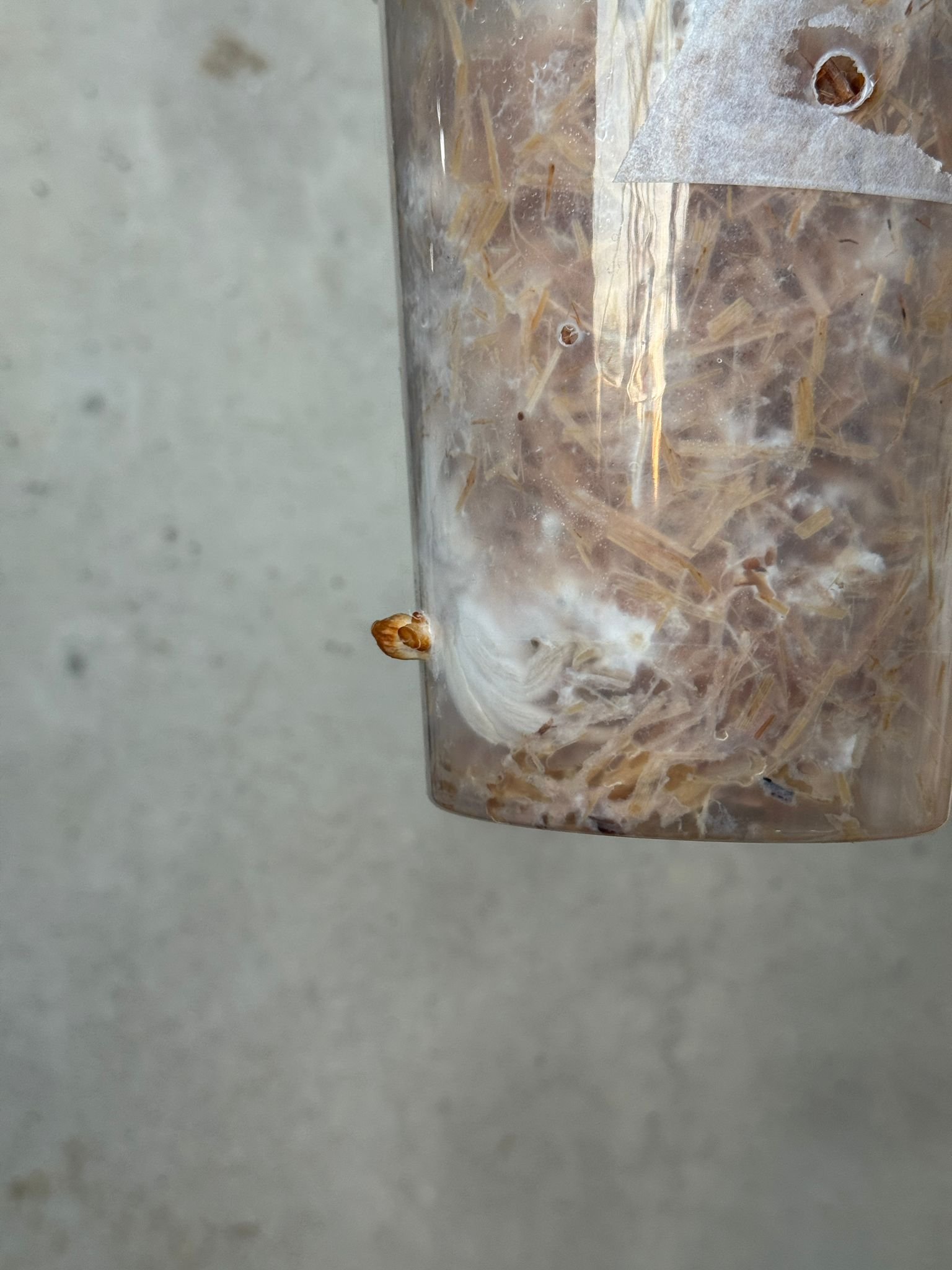
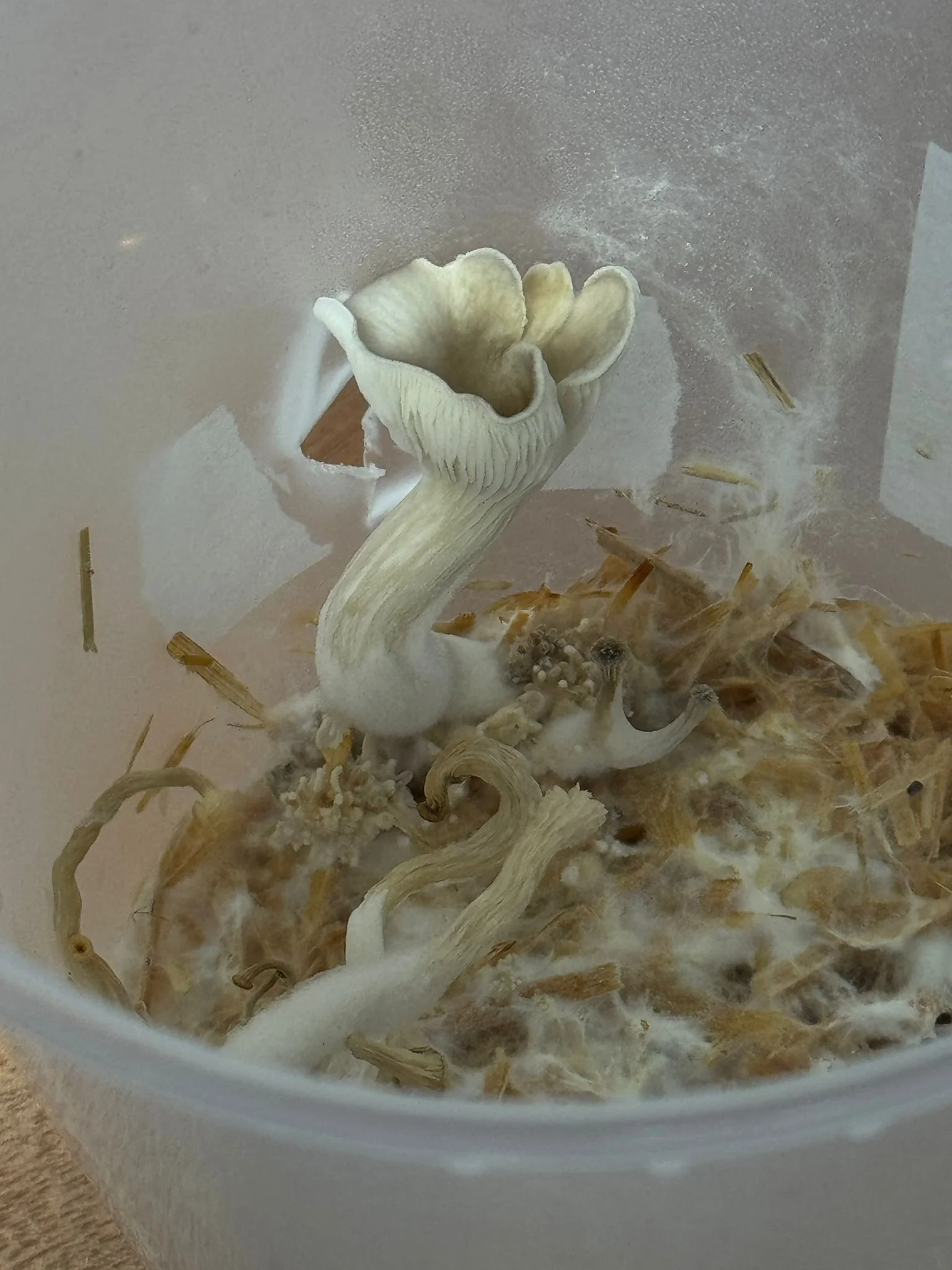
Looking ahead, I feel my practice shifting toward a deeper engagement with BioArt. I want to expand my material vocabulary by working with organic, ephemeral elements such as fungi and mycelium, exploring how these living materials decompose and interact with concepts of the body and decay. As for what’s next, I’ve set a major milestone for myself this coming year: to mount my first solo exhibition. It’s a goal that demands a lot of growth, and I’m fully leaning into the challenge of making it happen. Ultimately, my definition of success has evolved into something quite sustainable—the freedom and momentum to keep creating, experimenting, and exhibiting my work. Sustaining a practice is all about staying in motion, even when the direction isn't completely clear yet. Thank you for following along with my process this week!